
Soil Mixes for Container Gardens: Potting Mix vs. Garden Soil vs. Coco Coir

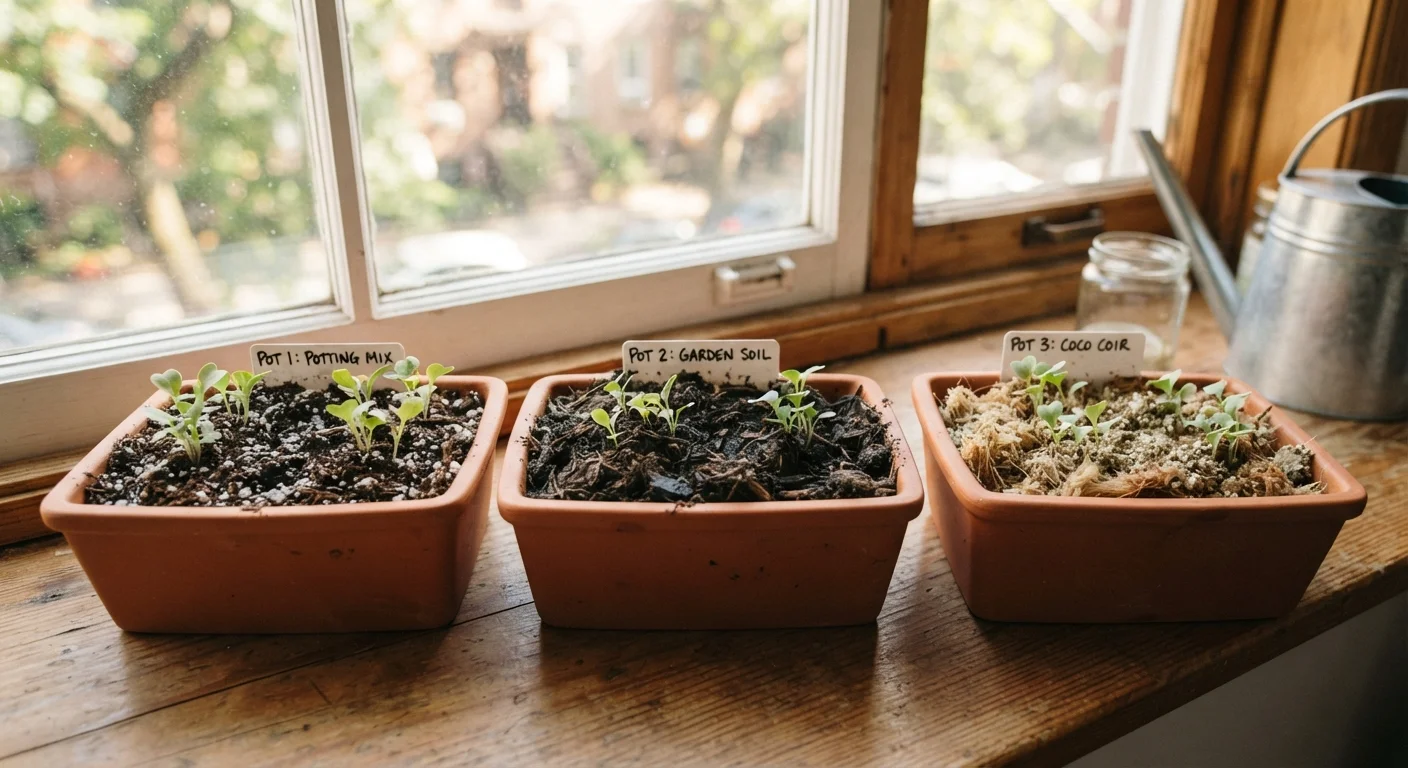
Photo: AnswersSquad.com | Explore Insightful Blogs editorial
Key Takeaways
- Potting mix is the most beginner-friendly option for most container plants, offering reliable drainage and aeration.
- Garden soil is too dense for pots and can compact over time, restricting roots and causing waterlogging.
- Coco coir drains exceptionally well but needs added nutrients since it contains almost none on its own.
- Blending media - such as coco coir with compost - can be tailored to specific plants and conditions.
- The right choice depends on your plant type, watering habits, and whether your garden is indoors or on a balcony.
Why Growing Medium Matters More Than You'd Think
When you grow a plant in a pot, you're creating a closed system. Unlike garden beds, containers can't drain freely into the earth beneath, can't draw nutrients from surrounding soil layers, and can't breathe the same way. That makes your choice of growing medium the most fundamental decision in container gardening - it determines how water moves, how roots expand, and whether your plant thrives or slowly suffocates.
If you're just getting started, our beginner's guide to apartment gardening gives useful context on soil alongside containers, light, and plant selection. This article focuses specifically on comparing the three media most commonly encountered by new container gardeners: potting mix, garden soil, and coco coir.
| Potting Mix | Garden Soil | Coco Coir | |
|---|---|---|---|
| Drainage | Good - engineered for pots | Poor - compacts in containers | Excellent - very fast-draining |
| Nutrient content | Moderate - often pre-amended | Variable - depends on source | Very low - nearly none |
| Weight | Light to medium | Heavy | Very light |
| Best use | Most container plants | In-ground or raised beds | Custom blends, hydroponics |
| Beginner-friendliness | High | Low for containers | Medium |
| Sustainability | Moderate | Moderate | High - a byproduct of coconut processing |
| Reusability | Limited - degrades over time | Good if conditioned | Good with re-amendment |
Potting Mix: The Dependable Default
Potting mix - sometimes labeled potting soil, though it usually contains no soil at all - is a commercially blended, soilless medium engineered specifically for container use. It typically combines peat moss or coco coir as a base, perlite or vermiculite for aeration, and sometimes slow-release fertilizer or compost.
The key advantage is that it's designed to drain well and resist compaction. Roots need both water and oxygen, and a medium that stays loose allows both to reach them. For most herbs, leafy greens, and flowering plants, a standard potting mix straight from the bag requires no modification.
One thing to watch: potting mixes with added fertilizer can be too nutrient-rich for seedlings, occasionally causing leaf burn. If you're starting seeds rather than transplanting established plants, check the label or use a seed-starting mix instead.
Building a Balanced Blend
Garden Soil: Leave It in the Ground
Garden soil is formulated for use in outdoor beds and landscapes where it's mixed with existing native soil. It's typically denser and heavier than potting mix, and that density is fine when roots can travel outward in multiple directions through a large volume of earth.
In a container, that same density becomes a problem. Garden soil compacts under repeated watering, which squeezes out the air pockets roots depend on. Water pools instead of draining, and over weeks, roots begin to rot. The pot also becomes very heavy - a real issue for balcony gardens with weight restrictions.
If you're growing food on a balcony, this weight factor matters practically: always account for the combined weight of container, medium, and water, especially on upper-floor balconies.
Don't Scoop Soil From Outside
Coco Coir: The Sustainable Alternative
Coco coir is made from the fibrous husks of coconut shells - a byproduct of coconut processing that would otherwise go to waste. It's a renewable, lightweight medium with excellent drainage and natural resistance to mold and pests. It also holds some moisture between its fibers, making it more forgiving than pure perlite.
The significant trade-off is nutrition: coco coir contains almost no nutrients on its own. Plants grown in straight coco coir will need regular fertilization from the start. It's also a good idea to check whether your coir has been buffered for calcium and magnesium, as unbuffered coir can lock out those nutrients from plant roots.
~60%
Air pore space ideal for container roots
Horticultural guidelines generally suggest container media should have around 50-60% total pore space to support healthy root respiration and drainage.
6.0-7.0
Optimal pH range for most container vegetables
Most vegetable and herb crops perform best in a slightly acidic to neutral pH range; coco coir naturally sits near 6.0-6.8, making it compatible when buffered correctly.
Coco coir works especially well in blends. Mixing it with compost and potting mix creates a customizable medium suited to specific plants and watering habits. If you tend to overwater - very common among new plant owners - a coir-heavy blend can reduce the risk of root rot by improving drainage. For more on keeping your plants thriving through different conditions, see our year-round apartment garden care guide.
Matching Medium to Setup and Plant Type
A few general guidelines help narrow down your choice:
- Herbs and leafy greens: Standard potting mix works well. Fast growers with moderate water needs don't require anything specialized.
- Succulents and cacti: Mix potting soil with extra perlite or coco coir to ensure rapid drainage; these plants are highly sensitive to waterlogged conditions.
- Tomatoes and peppers: A potting mix with added compost supports the higher nutrient demands of fruiting plants. Refresh or amend between growing seasons.
- Tropical houseplants: Many prefer a well-aerated mix; adding coco coir to a standard potting mix lightens it and suits plants like pothos or peace lilies.
Your container type also plays a role. Self-watering planters hold water in a reservoir, so pairing them with an already moisture-retentive medium can tip into overwatering. A faster-draining mix or blend with more coir works better in those setups. For a full glossary of container gardening terms - including aeration, drainage, and pore space - this essential vocabulary guide is a useful reference.
The content provided on our blog site traverses numerous categories, offering readers valuable and practical information. Readers can use the editorial team’s research and data to gain more insights into their topics of interest. However, they are requested not to treat the articles as conclusive. The website team cannot be held responsible for differences in data or inaccuracies found across other platforms. Please also note that the site might also miss out on various schemes and offers available that the readers may find more beneficial than the ones we cover.