
Soil, Grow Lights, and Drainage: The Essential Vocabulary of Container Gardening

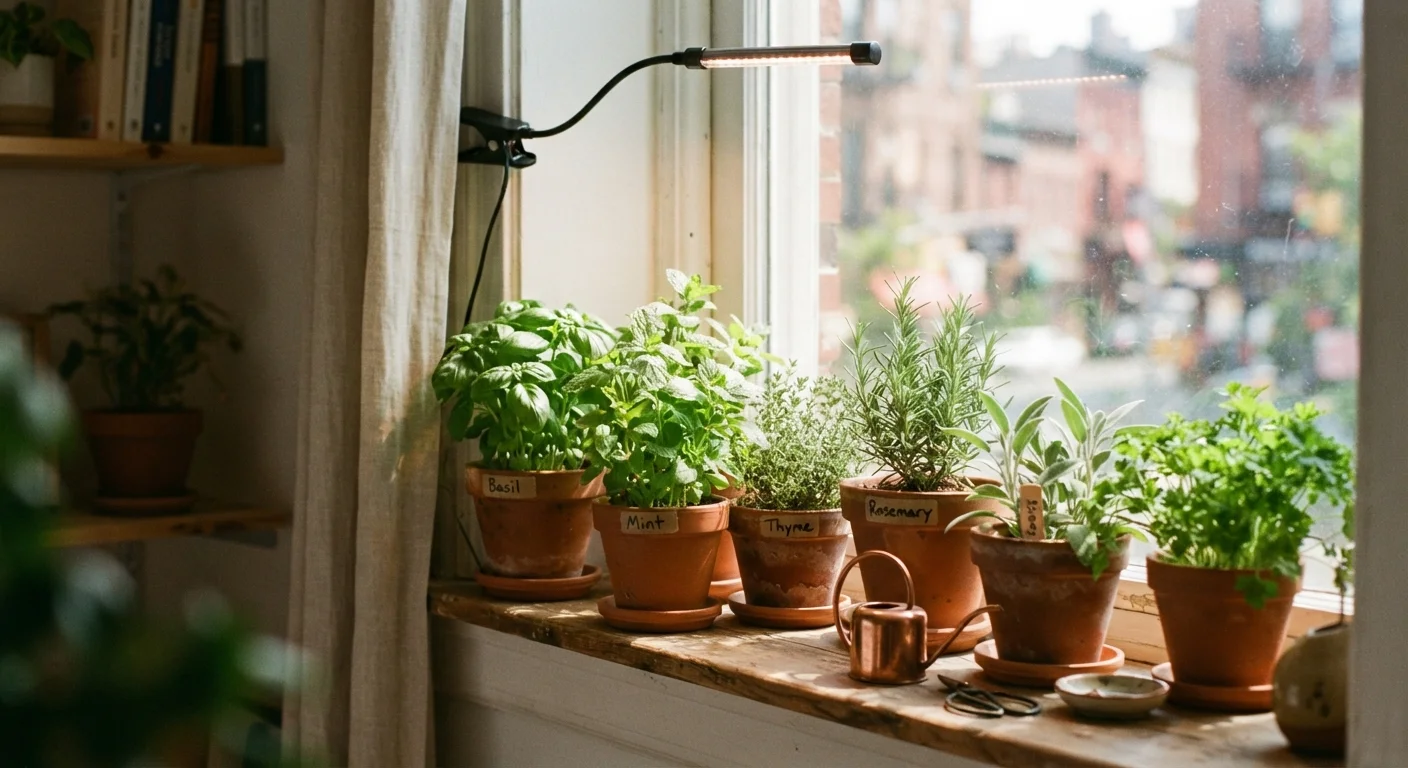
Photo: AnswersSquad.com | Explore Insightful Blogs editorial
Why This Vocabulary Matters Before You Buy Anything
Walk into any garden center or scroll through a plant care forum and you'll encounter terms like aeration, perlite, and foot-candles tossed around as if everyone already knows them. For a first-time apartment gardener, that language gap can make even buying a bag of soil feel confusing. Getting comfortable with a core set of terms before you spend a dollar is one of the most practical things you can do.
This glossary is designed as a lookup reference - use it before you set up, when you run into a term you don't recognize, or alongside our Apartment Garden Setup Checklist to build confidence from the start. Each definition is written for someone doing this for the first time, with no assumed background.
| Ideal potting mix drainage | Water should pass through within 30-60 seconds of watering (General horticulture guidance) |
| Low-light plant threshold | Approximately 25-100 foot-candles (University extension horticulture references) |
| Minimum container drainage | At least one drainage hole per container (Standard container gardening practice) |
| Perlite ratio in DIY mix | Typically 20-30% of total volume (General horticulture guidance) |
| Typical grow light distance from plants | 6-24 inches, depending on fixture type (Manufacturer and extension guidance varies) |
Core Terms Defined
The terms below cover the three areas where new container gardeners most often get stuck: growing media (what goes in the pot), light (how plants get energy), and water management (how moisture moves through your setup). For a deeper look at how different media compare in practice, see our guide on soil mixes for container gardens.
Potting Mix
A growing medium formulated specifically for containers, typically blending materials like peat moss, bark, and perlite. Unlike garden soil, it is engineered to drain well and resist compacting in a confined pot.
Garden Soil
Soil sourced from the ground or sold as an in-ground amendment. It is generally too dense for containers because it compacts heavily when confined, which restricts root growth and drainage.
Coco Coir
A fibrous growing medium made from the outer husk of coconuts. It holds moisture longer than standard potting mix while still allowing airflow, making it a popular peat-free alternative.
Aeration
The presence of air pockets within a growing medium that allow roots to breathe. Poor aeration - often caused by dense or compacted soil - starves roots of oxygen and invites disease.
Perlite
A lightweight, volcanic glass material added to potting mixes to improve drainage and aeration. It appears as small white granules and prevents soil from becoming waterlogged.
Drainage Holes
Openings at the bottom of a container that allow excess water to escape. Without them, water pools at the root zone, leading to root rot - one of the most common causes of container plant death.
Root Rot
A condition in which roots decay due to prolonged exposure to standing water and insufficient oxygen. It is usually caused by overwatering or inadequate drainage, and it is often fatal to the plant if caught late.
Grow Light
An artificial light source designed to supplement or replace natural sunlight for indoor plants. Common types include fluorescent, LED, and high-intensity discharge (HID) fixtures, each suited to different plant needs and space sizes.
Foot-Candles
A unit used to measure light intensity at a specific surface. Plant care guides often specify foot-candle ranges (e.g., low light: 25-100 fc) to help gardeners assess whether a spot has enough light for a given species.
Photoperiod
The number of hours of light a plant receives in a 24-hour cycle. Many plants use photoperiod cues to regulate growth stages; some flowering plants, for example, need specific day-length conditions to bloom.
Saucer
A shallow tray placed beneath a container to catch water that drains from drainage holes. It protects surfaces from water damage but should be emptied regularly so roots don't sit in standing water.
Top Dressing
A layer of material - such as compost, gravel, or bark - applied to the surface of a container's growing medium. It can help retain moisture, regulate temperature, and reduce surface compaction.
These concepts interconnect. For example, a potting mix with good aeration supports drainage, which prevents root rot - a sequence that starts making intuitive sense once the vocabulary is in place. As your setup evolves, you'll also want to understand how seasonal light changes affect these variables; the article on keeping an apartment garden healthy year-round covers exactly that.
Garden Soil Is Not a Substitute for Potting Mix
Putting It All Together
Container gardening rewards people who understand a few fundamentals well over those who collect a lot of gear without a clear framework. Once you know what drainage, aeration, and light intensity actually mean, reading a plant care tag becomes straightforward rather than guesswork.
If you want to see how all of these concepts fit into a complete growing system - from choosing containers to eventually harvesting food on a balcony - the Complete Apartment Gardening Playbook walks through every stage in sequence. Bookmark this glossary and return to it whenever a new term surfaces. The more you garden, the more these words will feel like second nature.
The content provided on our blog site traverses numerous categories, offering readers valuable and practical information. Readers can use the editorial team’s research and data to gain more insights into their topics of interest. However, they are requested not to treat the articles as conclusive. The website team cannot be held responsible for differences in data or inaccuracies found across other platforms. Please also note that the site might also miss out on various schemes and offers available that the readers may find more beneficial than the ones we cover.