
Self-Watering Planters vs. Standard Pots: What Changes for the Plant

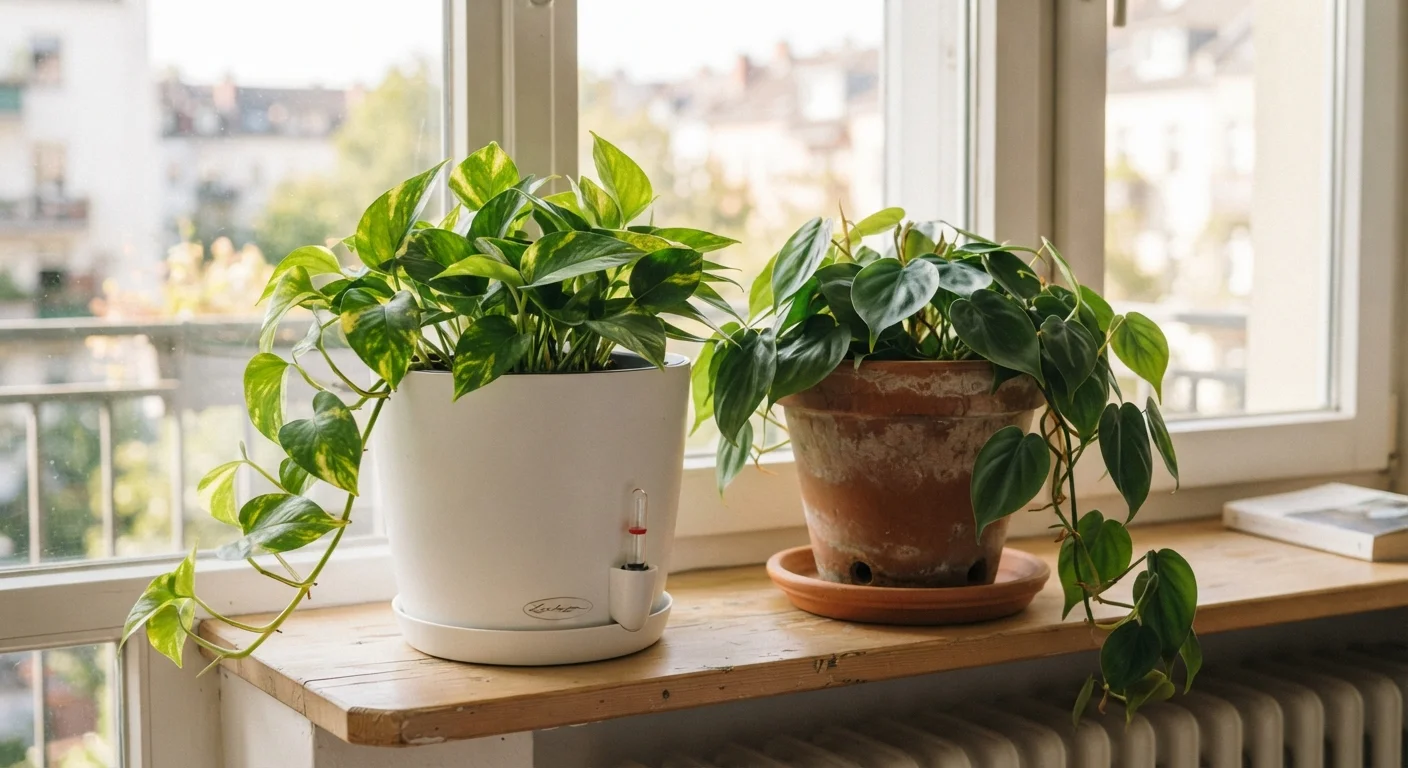
Photo: AnswersSquad.com | Explore Insightful Blogs editorial
Key Takeaways
- Self-watering planters deliver water from a bottom reservoir via wicking, keeping root zones consistently moist.
- Standard pots drain freely, giving you more control - essential for plants that need soil to dry between waterings.
- Succulents, cacti, and most drought-tolerant plants generally do poorly in self-watering systems due to overwatering risk.
- Herbs, leafy vegetables, and many tropical houseplants tend to perform well in self-watering containers.
- Soil choice changes significantly between the two systems - standard potting mix can impede wicking in self-watering planters.
- Neither container type is universally superior; matching the pot to the plant's water needs is what matters most.
How Each System Actually Works
Understanding the mechanics helps you predict how each container will affect your plant's roots and growth patterns.
A self-watering planter separates the growing medium from a water reservoir below. The two are connected by a wick or a soil column that draws moisture upward by capillary action - the same principle that makes a paper towel absorb a spill. Roots grow toward that moisture zone, and the plant takes what it needs without you intervening every day. A fill port on the side lets you top up the reservoir every week or two, depending on plant size and temperature.
A standard pot works differently: you apply water from the top, it moves through the soil under gravity, and the excess drains out through holes in the bottom. The soil cycles through wet and dry phases between waterings. This mimics what most plants evolved to experience - a rain event followed by a drying period.
The key difference is directionality. In self-watering systems, moisture moves upward; in standard pots, it moves downward. That single distinction changes how roots behave, what soil works best, and which plants will thrive. If you're still building your foundational vocabulary, our guide to container gardening terminology covers drainage and aeration concepts in plain language.
| Criterion | Self-Watering Planter | Standard Pot |
|---|---|---|
| Water delivery direction | Bottom-up via wicking | Top-down by gravity |
| Watering frequency | Every 1-2 weeks (reservoir refill) | Every few days to weekly |
| Overflow / mess risk | Minimal - closed reservoir | Higher - requires saucer |
| Soil dry-out cycles | Minimal - stays consistently moist | Full wet-to-dry cycle possible |
| Best plant types | Herbs, greens, moisture-lovers | Succulents, drought-tolerant plants |
| Soil flexibility | Lower - wicking mix preferred | Higher - most potting mixes work |
| Vacation suitability | Good - reservoir buffers absence | Lower - dries out faster |
| Root rot risk | Higher if wrong plant is used | Lower with correct drainage |
What This Means for Root Health and Soil Choice
Roots follow water. In a self-watering planter, roots concentrate in the lower moist zone rather than spreading throughout the container. For moisture-loving plants, this is efficient. For plants that need air around their roots between waterings, it can become a problem - chronically wet soil reduces oxygen availability and creates conditions where root rot organisms thrive.
Soil selection is also more consequential in self-watering planters than most guides acknowledge. Standard potting mix, which is designed to drain freely, can resist capillary wicking and leave the upper root zone dry even when the reservoir is full. Many gardeners using self-watering containers find that a finer, more moisture-retentive mix - or one specifically blended for wicking - works better. Our comparison of potting mix, garden soil, and coco coir walks through the structural differences worth considering here.
Standard pots are more forgiving with soil choices precisely because drainage holes correct minor over-watering errors. The tradeoff is that they require you to pay attention. Letting a standard pot dry out too long stresses the plant; watering too frequently can waterlog roots just as effectively as any reservoir system.
A Note on Reservoir Maintenance
Matching the Container to the Plant
This is where the decision becomes practical. Most popular houseplants and edibles fall clearly into one camp or the other based on their water preferences.
Plants that generally suit self-watering planters:
- Herbs like basil, mint, and chives - all thirsty and fast-growing
- Leafy salad greens - lettuce, spinach, arugula
- Peace lilies, pothos, and other moisture-tolerant tropicals
- Tomatoes and peppers in larger self-watering containers
Plants that typically do better in standard pots:
- Succulents and cacti - need complete dry-out cycles
- Lavender, rosemary, and Mediterranean herbs - prefer lean, dry conditions
- Snake plants and ZZ plants - evolved for drought tolerance
- Orchids - require very specific wet/dry cycles and aeration
For a broader view of which plants handle apartment conditions well overall, see our guide to plants that genuinely thrive in apartments. If you're building your first indoor garden and want a complete starting framework, apartment gardening from the ground up covers containers, light, and soil together.
~30-50%
Water savings reported with self-watering containers
Various extension horticulture programs and container gardening resources suggest self-watering planters can reduce water use noticeably compared to hand-watering standard pots, though results vary by plant type and climate.
1 in 3
Common reason houseplants die: overwatering
Overwatering - not underwatering - is widely cited by horticulturalists as the most frequent cause of houseplant decline among indoor gardeners, making container choice a meaningful variable.
Practical Considerations for Apartment Renters
Beyond plant compatibility, a few real-world factors matter when choosing between container types in a rental setting.
Overflow and mess: Self-watering planters have sealed or near-sealed reservoirs, which means no runoff onto floors, shelves, or window ledges. Standard pots need a saucer and more careful watering to avoid water damage - a real concern on wood floors or carpets.
Vacation resilience: A self-watering planter with a full reservoir can sustain many plants for a week or more without intervention. Standard pots are more vulnerable to missed waterings, though this varies significantly by plant type and season.
Monitoring difficulty: Self-watering systems can mask problems. If a plant is struggling, waterlogged, or if algae begins growing in the reservoir, it's less immediately obvious than with a standard pot where you're handling the soil regularly. Checking the reservoir level - not just filling it when empty - and inspecting the soil surface periodically helps catch issues early.
Seasonal changes also influence how both container types perform; a reservoir that lasts two weeks in spring may drain in four days during a hot summer. Our article on keeping an apartment garden healthy year-round addresses how to adjust care routines as conditions shift.
The content provided on our blog site traverses numerous categories, offering readers valuable and practical information. Readers can use the editorial team’s research and data to gain more insights into their topics of interest. However, they are requested not to treat the articles as conclusive. The website team cannot be held responsible for differences in data or inaccuracies found across other platforms. Please also note that the site might also miss out on various schemes and offers available that the readers may find more beneficial than the ones we cover.