
Plants That Genuinely Thrive in Apartments

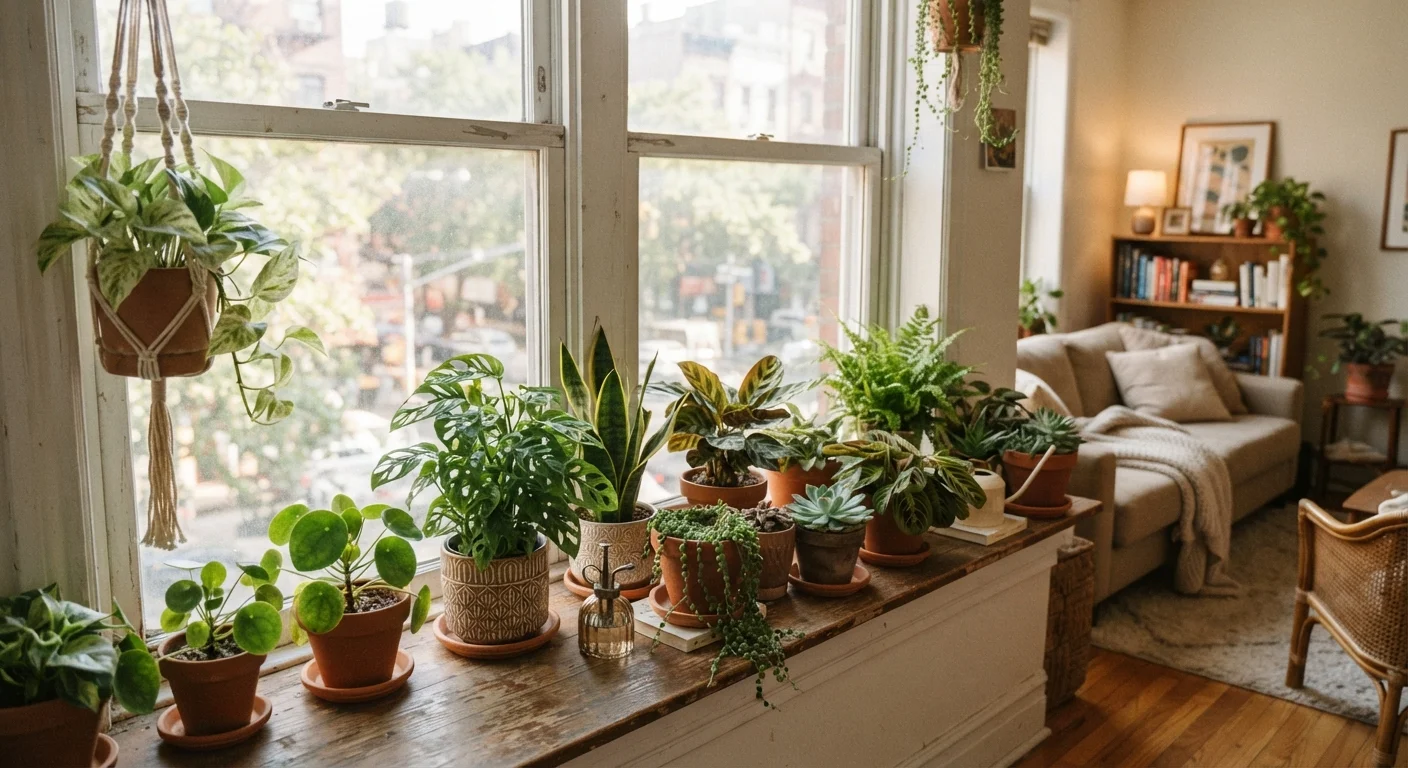
Photo: AnswersSquad.com | Explore Insightful Blogs editorial
Key Takeaways
- Most apartments can support thriving plants even with limited natural light.
- Overwatering is the most common mistake - many beginner-friendly plants prefer to dry out between waterings.
- Edible plants like herbs and leafy greens can grow successfully on bright windowsills or under grow lights.
- Choosing plants suited to your actual conditions - not your ideal conditions - is the key to success.
- A few strategic plant choices can dramatically improve air quality, mood, and how your space feels.
Why Most Apartments Are Better for Plants Than You Think
It's a common misconception that apartments are hostile to plants. Yes, light can be limited and humidity tends to run low - but a surprising number of plants evolved in exactly those kinds of conditions. Forest floors, cave-adjacent environments, and tropical understories are all low-light, moderate-humidity zones, and the plants from those ecosystems have adapted accordingly.
The real challenge isn't the apartment - it's matching the right plant to the conditions you actually have. Before picking up anything at a nursery, run through a quick setup checklist to assess your light exposure, humidity levels, and available space. That groundwork makes every plant choice more likely to succeed.
The list below covers eight plants - a mix of foliage and edibles - that genuinely handle the realities of apartment living: inconsistent watering, indirect light, dry indoor air, and limited square footage.
Pothos (Epipremnum aureum)
Pothos is probably the most forgiving plant available to apartment dwellers. It tolerates low light, irregular watering, and neglect with remarkable grace. Its trailing vines look intentional draped from a shelf or hanging planter, and it grows quickly enough that you'll actually feel rewarded for your effort.
Care notes: Water when the top inch of soil is dry. It adapts to low light but grows faster in indirect bright light. Avoid direct sun, which scorches the leaves. No misting needed - it handles dry indoor air well.
Pothos tolerates low light, irregular watering, and neglect better than almost any other houseplant.
Snake Plant (Dracaena trifasciata)
Snake plants are nearly indestructible. They store water in their thick leaves, so they handle stretches of missed watering without suffering. They're one of the few plants that tolerate very low light conditions, though they grow slowly in those circumstances. Their upright, architectural shape works well in tight corners.
Care notes: Water sparingly - roughly every two to three weeks in summer, even less in winter. Let the soil dry out completely between waterings. Root rot from overwatering is the main risk. Understand what "low light" actually means before placing this plant in a very dim spot.
Snake plants store water in their leaves, making them exceptionally tolerant of missed watering.
ZZ Plant (Zamioculcas zamiifolia)
The ZZ plant has rhizomes - underground storage organs - that hold water, making it drought-tolerant and slow to show distress. Its glossy, deep-green leaves give it a polished look that suits modern apartment interiors. It's slow-growing, which is actually an advantage in small spaces.
Care notes: Water infrequently - every three to four weeks is often sufficient. It tolerates low to moderate indirect light. Note that all parts of the ZZ plant are mildly toxic if ingested, so keep it out of reach of pets and small children.
The ZZ plant's underground rhizomes store water, making it one of the most drought-tolerant houseplants available.
Heartleaf Philodendron (Philodendron hederaceum)
Similar in habit to pothos but with softer, heart-shaped leaves, the heartleaf philodendron is equally easy to grow. It adapts to a range of light conditions and communicates thirst clearly - leaves begin to droop slightly when it needs water, then perk right back up after a drink.
Care notes: Water when the top half-inch of soil is dry. It prefers indirect light but handles lower light. Wipe leaves occasionally with a damp cloth to remove dust, which can reduce the plant's ability to photosynthesize in already-dim conditions.
Philodendron leaves droop visibly when thirsty and recover quickly after watering - ideal feedback for beginners.
Chinese Evergreen (Aglaonema)
Chinese evergreens come in a range of leaf colors - from deep green to variegated red and pink - and all varieties handle low-light apartments well. The darker green varieties are the most shade-tolerant; brighter, colorful varieties need a bit more indirect light to maintain their color.
Care notes: Water moderately, allowing the soil to partially dry between waterings. Keep away from cold drafts or air conditioning vents - they prefer temperatures above 60°F. Aglaonema sap can cause skin irritation, so wash hands after handling.
Darker Chinese evergreen varieties are among the most shade-tolerant foliage plants available for apartments.
Basil and Compact Herbs
If you have a south- or west-facing window that gets four or more hours of direct sunlight, herbs like basil, chives, and mint are genuinely viable in an apartment kitchen. They won't replace a garden harvest, but they'll supply enough fresh flavor to make cooking more satisfying and the windowsill more purposeful.
Care notes: Basil is the most light-demanding of the common herbs - a south-facing window or a supplemental grow light is often necessary. Chives and mint tolerate less direct sun. All benefit from consistent moisture; don't let herb pots dry out completely. Harvest frequently to encourage new growth.
Fresh herbs are genuinely achievable on a sunny apartment windowsill, especially chives, mint, and basil.
Peace Lily (Spathiphyllum)
Peace lilies are one of the few flowering plants that perform reliably in low-light apartments. They produce white blooms periodically and have a clean, elegant appearance that suits small spaces. Like the philodendron, they communicate their needs clearly - wilting when dry, bouncing back after watering.
Care notes: Keep the soil consistently moist but not waterlogged. They're sensitive to fluoride in tap water; if leaf tips are browning, try filtered or distilled water. All parts are toxic to cats and dogs - a firm consideration if you have pets.
Peace lilies are among the few flowering houseplants that bloom reliably in low-light apartment conditions.
Microgreens
Microgreens - young seedlings of vegetables and herbs harvested within one to three weeks of sprouting - are one of the most practical edible options for apartment growers. They require almost no space, no special equipment beyond a shallow tray and potting mix, and no long-term plant maintenance. You grow them, harvest them, and start a new batch.
Care notes: A bright windowsill works well, though a small grow light dramatically improves density and speed. Keep the growing medium consistently moist. Harvest by snipping at soil level when the first true leaves appear. Common varieties include radish, sunflower, and pea shoots.
Microgreens require almost no space and are harvested within weeks, making them ideal for small apartments.
Keeping Your Indoor Garden Going
The plants above were selected because they tolerate the conditions apartments actually deliver - not the idealized setup most care guides assume. That said, even resilient plants benefit from consistent attention. Seasonal shifts matter more indoors than most renters expect - heating systems in winter drop humidity significantly, and light angles shift enough to affect growth cycles.
Group Plants to Raise Humidity
If you're just starting out and feeling uncertain about what conditions you're working with, our beginner's guide to apartment gardening covers soil, containers, and light assessment from scratch. And if plants have died on you before, the reasons are probably not what you think - overwatering and wrong-light placement account for the vast majority of losses.
Start with one or two of the plants below, observe how they respond to your specific space, and expand from there. Indoor gardening is a skill built gradually - and the plants on this list give you the best possible margin for learning.
The content provided on our blog site traverses numerous categories, offering readers valuable and practical information. Readers can use the editorial team’s research and data to gain more insights into their topics of interest. However, they are requested not to treat the articles as conclusive. The website team cannot be held responsible for differences in data or inaccuracies found across other platforms. Please also note that the site might also miss out on various schemes and offers available that the readers may find more beneficial than the ones we cover.