
Why Your Indoor Plants Keep Dying (It's Probably Not What You Think)

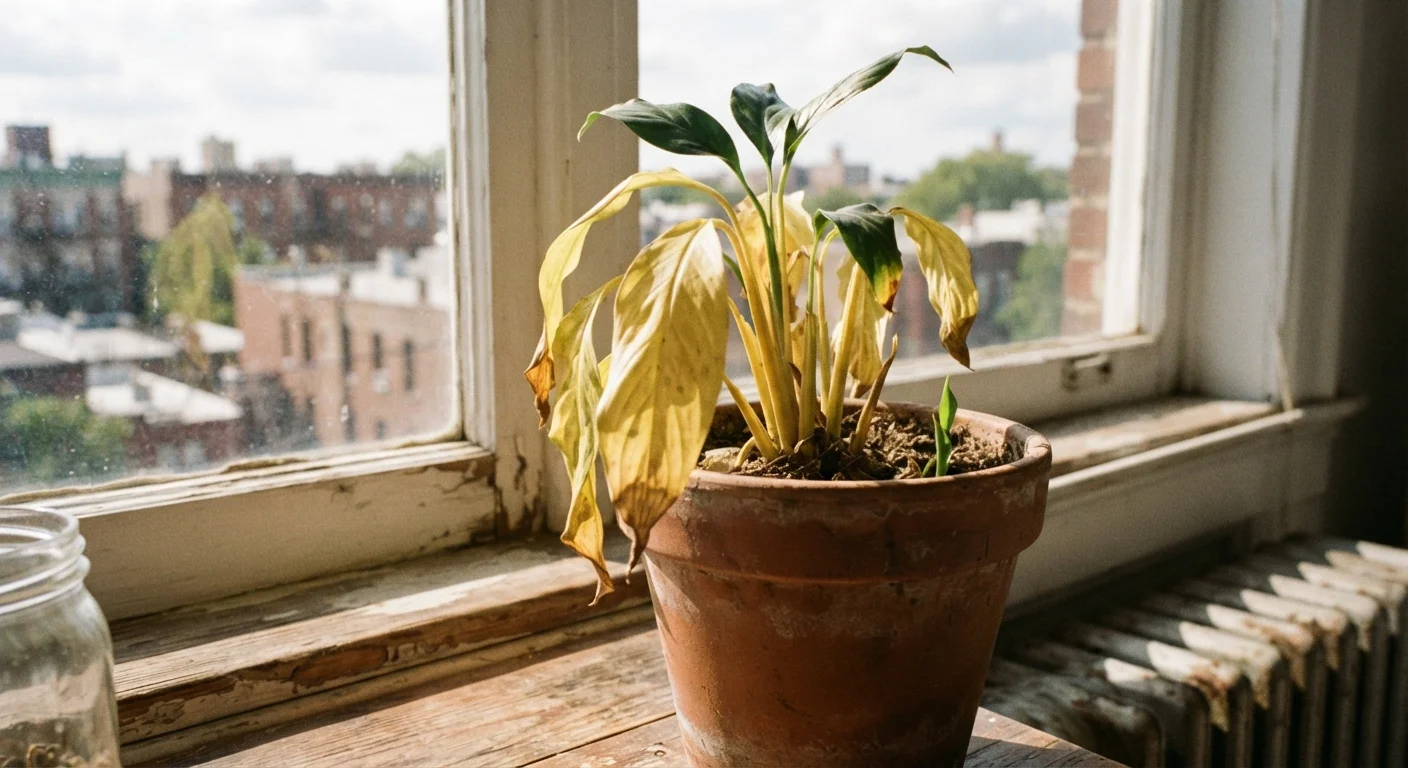
Photo: AnswersSquad.com | Explore Insightful Blogs editorial
Key Takeaways
- Overwatering is the leading cause of indoor plant death, not underwatering.
- Most apartment plants fail due to mismatched light conditions, not neglect.
- Potting soil from the garden or wrong mix type suffocates indoor roots.
- Skipping drainage holes traps moisture and causes silent root rot.
- Matching a plant to your actual apartment conditions is more important than any care routine.
The Real Reason Your Plants Aren't Surviving
If you've bought multiple houseplants only to watch them slowly decline, you're not alone - and it's almost certainly not because you lack a green thumb. Most indoor plants die from a short list of very correctable mistakes, many of which feel completely counterintuitive. The fix usually isn't doing more; it's doing different.
Before investing in another plant, it helps to understand what's actually going wrong. This guide walks through the most common errors apartment gardeners make, why they're so easy to fall into, and exactly how to turn things around. If you're starting from zero, our beginner's apartment gardening guide is a great companion to this article.
Watering on a fixed schedule instead of checking the soil first.
Placing plants in spots that look bright but receive little usable light.
Using outdoor garden soil or a generic potting mix in indoor containers.
Using decorative pots without drainage holes.
Buying plants based on appearance rather than compatibility with your space.
What to Do Once You Know the Mistakes
Awareness is the biggest leap. Once you understand why plants fail, the corrections are usually simple and low-cost. Start by auditing your current setup: check your pots for drainage holes, assess which windows get direct sun versus bright indirect light, and feel your soil before you reach for the watering can.
Don't Diagnose With Color Alone
Light is the variable most renters underestimate. A room that feels bright to you may provide far less usable light than a plant needs. For a grounded look at what low-light really means in an apartment setting, read The Truth About Low-Light Plants. And if you want to know which species are genuinely forgiving of imperfect conditions, Plants That Genuinely Thrive in Apartments offers honest, practical guidance.
Seasons matter more indoors than most people expect - heating systems, reduced daylight, and dry winter air all shift the care equation. Keeping an Apartment Garden Healthy Year-Round covers how to adapt your routine as conditions change. The goal isn't perfection; it's building a small set of habits that match your real space and your real schedule.
Match the Plant to Your Space First
The content provided on our blog site traverses numerous categories, offering readers valuable and practical information. Readers can use the editorial team’s research and data to gain more insights into their topics of interest. However, they are requested not to treat the articles as conclusive. The website team cannot be held responsible for differences in data or inaccuracies found across other platforms. Please also note that the site might also miss out on various schemes and offers available that the readers may find more beneficial than the ones we cover.