
The Truth About Low-Light Plants

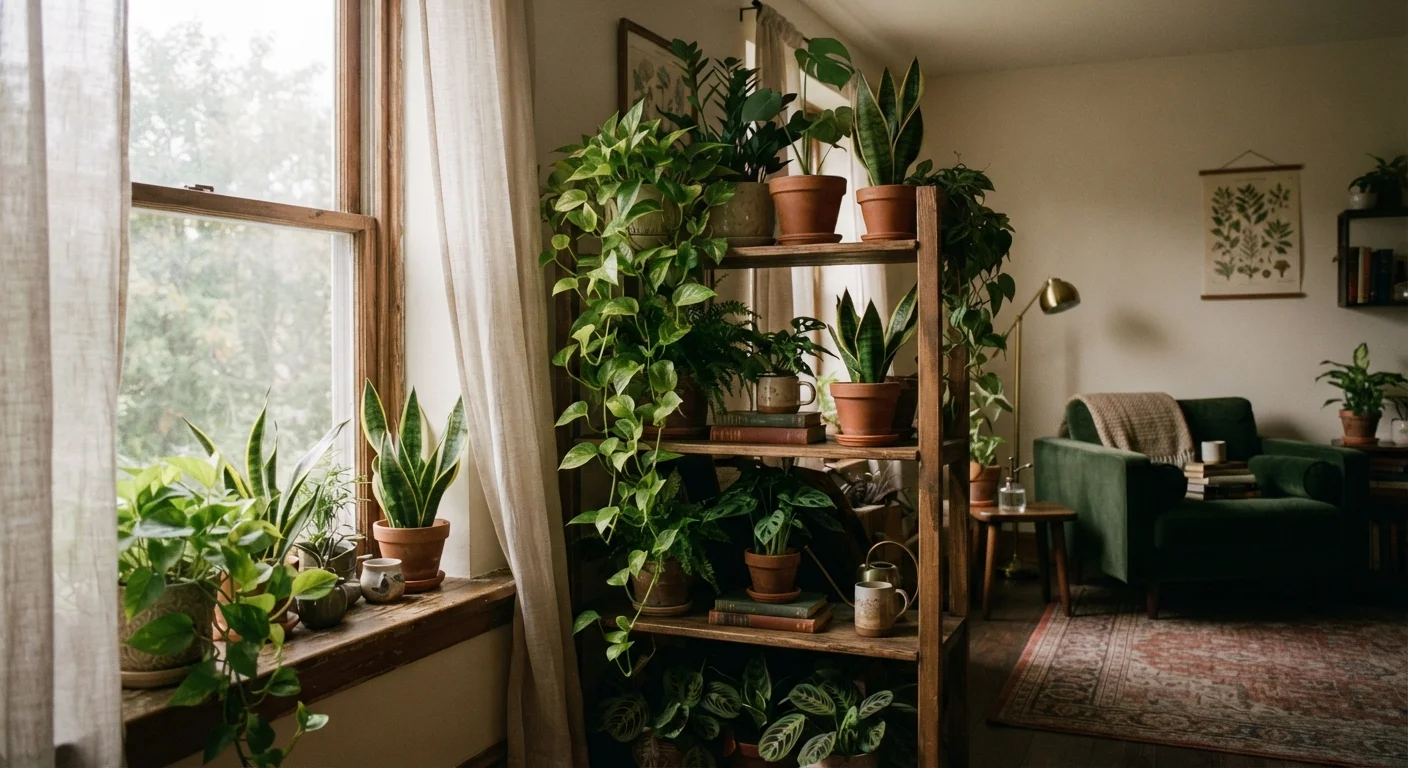
Photo: AnswersSquad.com | Explore Insightful Blogs editorial
Key Takeaways
- 'Low light' is a plant label, not permission to place plants in total darkness.
- Most true low-light plants still need some indirect natural light to survive.
- Overwatering kills more low-light plants than dim conditions ever will.
- Grow lights can meaningfully supplement natural light in windowless rooms.
- Slow growth in low light is normal and healthy - not a sign of failure.
What 'Low Light' Actually Means
Walk into any garden center and you'll find plants labeled 'low light' - but that phrase doesn't mean what many renters assume. In horticultural terms, low light describes a spot that receives indirect, filtered, or limited natural light for a few hours a day. It does not mean no light at all.
A practical way to gauge it: if you can comfortably read a book by the natural light in a room without turning on a lamp, that's roughly the minimum most so-called low-light plants need. A hallway with no windows, or a room where the only light comes from overhead fixtures, generally won't sustain the majority of houseplants long-term.
Understanding this distinction is the foundation of successful indoor gardening. For a broader look at setting up your space correctly from the start, the Apartment Garden Setup Checklist is a practical place to begin.
Myth
Low-light plants can survive in a room with no windows as long as the overhead lights are on.
Fact
Standard incandescent or LED ceiling fixtures don't provide the spectrum or intensity most plants need for photosynthesis.
Photosynthesis requires light in specific wavelengths - primarily red and blue - at sufficient intensity. Most household overhead lighting sits far below the threshold most plants need, and the duration is often inconsistent. A dedicated grow light positioned close to the plant is the only reliable artificial substitute for natural light. Rooms with zero natural light can support plants, but only with intentional supplemental lighting - not ambient room lighting alone.
Myth
If a plant is labeled 'low light,' it will grow just as fast as it would in a bright window.
Fact
Lower light slows photosynthesis, which means slower growth, smaller leaves, and longer intervals between new growth - this is normal and expected.
Plants produce energy through photosynthesis, and less light means less fuel for growth. A pothos in a north-facing room will grow more slowly than one in a sunny south-facing window - but that doesn't mean it's failing. Slow, steady growth is a healthy outcome in low-light conditions. Problems arise when owners interpret slow growth as a problem and respond by overwatering or over-fertilizing, both of which cause genuine harm.
Myth
Low-light plants need more water because they aren't drying out as quickly in the sun.
Fact
Low-light plants typically need less frequent watering, not more, because slower growth and less evaporation mean soil stays moist longer.
This myth leads to one of the most common causes of houseplant death: overwatering. In lower light, plants grow more slowly and use water at a reduced rate. Soil that might dry out in three days near a bright window could stay moist for ten days or more in a dim corner. Always check soil moisture before watering - push a finger an inch into the soil. If it still feels damp, wait. For more on this, the common reasons indoor plants die article covers overwatering in depth.
Myth
Any plant can adapt to low light if you just give it enough time.
Fact
Plants have genuine light requirements shaped by their native environments; sun-loving plants won't meaningfully adapt to low light and will decline over time.
Adaptation in plants happens over evolutionary timescales, not weeks or months. A cactus from a desert environment, a tomato, or a fiddle-leaf fig requires high light intensity to function. Placing these in a dim apartment won't toughen them up - it will gradually weaken them as they exhaust stored energy without being able to replenish it through photosynthesis. Choosing plants genuinely suited to low light (such as ZZ plants, cast iron plants, or certain ferns) is far more effective than hoping any plant will adjust.
Myth
More fertilizer will compensate for a lack of light.
Fact
Fertilizer cannot substitute for light; applying it to a light-stressed plant often causes more harm than good.
Fertilizer provides nutrients that support growth - but plants can only use those nutrients when they have enough light to actually grow. A plant already struggling with insufficient light can't process extra nutrients effectively. The unused salts from fertilizer accumulate in the soil and can damage roots. In low-light conditions, fertilize sparingly (if at all during winter months) and focus instead on getting the light conditions right first.
Common Low-Light Myths - Corrected
These misconceptions lead well-meaning plant owners to make choices that quietly stress or kill their plants. Knowing what's actually true helps you set realistic expectations and create conditions where plants can genuinely thrive.
~200 fc
Minimum foot-candles for most 'low-light' plants
Horticultural guidelines generally place true low-light plant survival thresholds between 75-200 foot-candles of illuminance.
10-12 ft
Distance from window where light drops sharply
Light intensity from a window decreases significantly with distance; plants more than 10-12 feet away may receive too little even near large windows.
If your plants are still struggling despite good intentions, the culprit is often something other than light. Our guide on why indoor plants keep dying covers the most common hidden causes in detail.
Making the Most of Your Apartment's Light
Once you understand what low light really means, you can work with your apartment's actual conditions rather than against them. Start by identifying which windows you have and which direction they face - this single factor shapes which plants are realistic for your space. North-facing vs. south-facing windows behave very differently, and matching plants to window orientation removes a lot of guesswork.
If natural light is genuinely limited, a basic grow light on a timer (12-14 hours per day) can make darker corners viable for many low-light species. Position plants within a couple of feet of the bulb for meaningful effect. Rotate pots a quarter turn every week or two so all sides receive even exposure - this prevents the lopsided lean that happens when plants stretch toward a single light source.
Keeping leaves clean also matters more in low-light rooms. Dust accumulation on broad leaves like those of a pothos or peace lily can reduce the amount of light the plant can absorb. A damp cloth wiped across leaves every few weeks is a small habit with a real payoff. For seasonal adjustments and year-round routines, see our guide on keeping an apartment garden healthy year-round.
Don't Skip the Light Assessment
The content provided on our blog site traverses numerous categories, offering readers valuable and practical information. Readers can use the editorial team’s research and data to gain more insights into their topics of interest. However, they are requested not to treat the articles as conclusive. The website team cannot be held responsible for differences in data or inaccuracies found across other platforms. Please also note that the site might also miss out on various schemes and offers available that the readers may find more beneficial than the ones we cover.