
Vertical Gardening: Making the Most of Walls and Shelves in a Rental

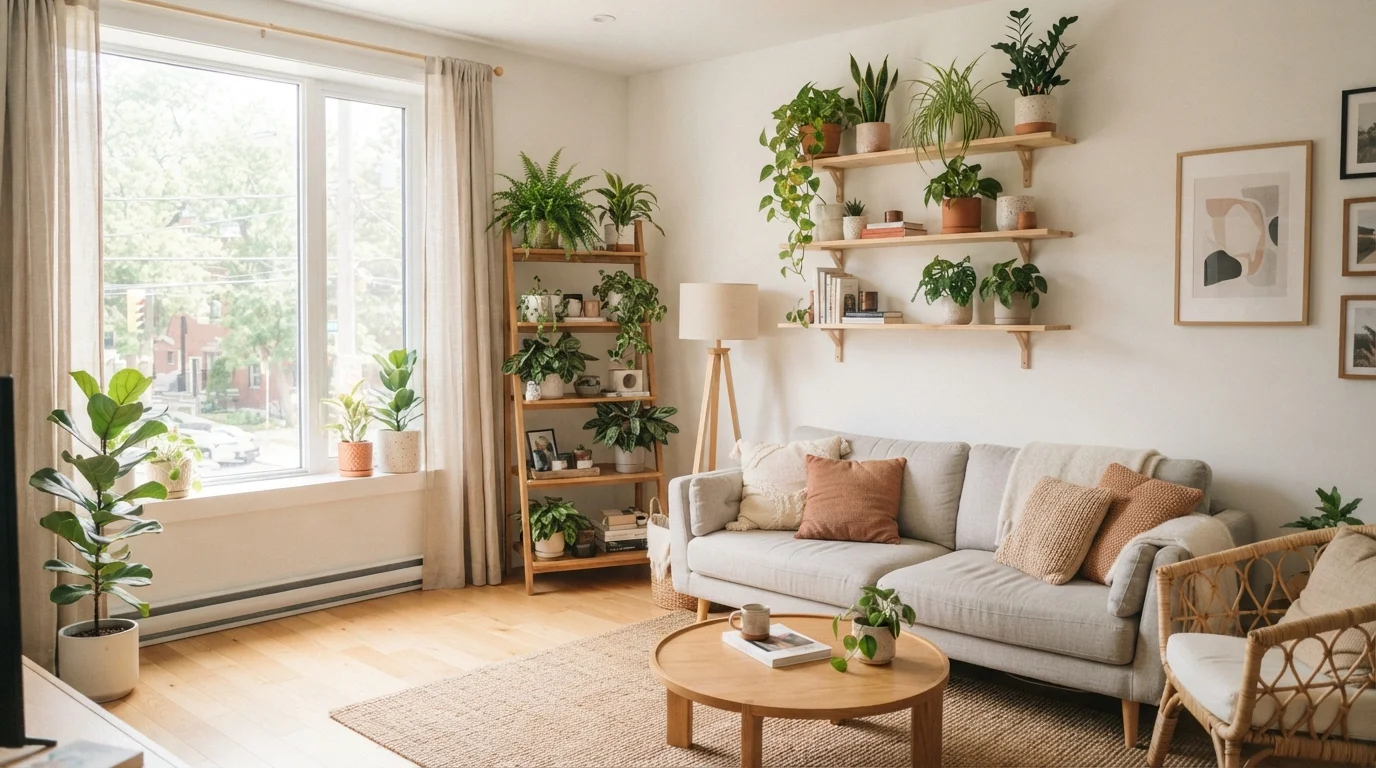
Photo: AnswersSquad.com | Explore Insightful Blogs editorial
Key Takeaways
- Vertical gardening uses walls, shelves, and hanging structures to grow plants without consuming floor space.
- Renter-friendly setups avoid permanent wall damage - freestanding and removable solutions exist for every budget.
- Light availability is the single biggest factor in choosing which plants will thrive at height.
- Trailing and climbing plants are natural fits for vertical displays in small apartments.
- Checking your lease before installing any wall-mounted system helps protect your security deposit.
Why Vertical Space Is the Renter's Best Gardening Asset
Floor space in a rental apartment is finite and usually spoken for - by furniture, walkways, and the simple need to move around comfortably. But look up, and there's often a whole wall doing nothing. Vertical gardening reclaims that unused space, letting you build a meaningful plant collection without crowding your living area.
This approach isn't just practical - it's genuinely effective. Plants arranged at varying heights create visual depth, soften hard wall surfaces, and make small rooms feel more alive. Whether you're drawn to a lush trailing display or a tidy row of herb pots on a kitchen shelf, the principle is the same: grow up, not out.
If you're just starting your indoor gardening journey, our beginner's guide to apartment gardening covers the foundational concepts - soil, containers, and light - that apply to vertical setups too.
~80%
US renters living in apartments or condos
According to the U.S. Census Bureau, the majority of rental housing in the United States consists of multi-unit buildings where outdoor growing space is limited or absent.
2-5x
More growing area gained using vertical space
Horticultural extension resources commonly note that using walls and vertical structures can multiply effective growing area several times over compared to floor-level container setups alone.
Renter-Friendly Vertical Setups That Don't Risk Your Deposit
The core challenge for renters is doing this without permanently altering the space. Here are the main approaches, each suited to different apartments and comfort levels:
- Ladder shelves: A freestanding A-frame or leaning ladder shelf is one of the most versatile options. It requires no wall attachment, holds multiple pots at different heights, and moves with you when you leave.
- Tension rod planters: In windows or between two walls, tension rods can hold hanging baskets or small clip-on pots. No drilling required.
- Floating shelves with removable hardware: Some adhesive shelf systems are designed for renters and hold meaningful weight when applied correctly. Read weight limits carefully and test on a small area first.
- Over-door organizers: Metal or fabric over-door racks adapted for small pots work in kitchens, bathrooms, and bedrooms - no tools needed.
- Macramé and hook hangers: A single ceiling hook (often already present in older apartments for light fixtures) can support several hanging planters on a tiered cord.
Before installing anything, review your lease. Our detailed article on what renters can and can't do without losing their deposit walks through the most common lease clauses to watch for.
Test Adhesive Products Before Committing
Choosing the Right Plants for Height
Not every plant thrives when elevated, and light is the deciding factor. Upper shelves near windows may actually receive excellent indirect light - sometimes better than a windowsill, depending on the room layout. Shelves on interior walls, however, can be quite dim.
Good choices for bright, elevated spots:
- Pothos (trails beautifully from a high shelf)
- String of pearls and other trailing succulents
- Heartleaf philodendron
- Spider plant (tolerates varied light and produces cascading offshoots)
Good choices for lower-light, mid-height shelves:
- ZZ plant
- Peace lily
- Cast iron plant
- Certain ferns in humid rooms like bathrooms
Keep weight in mind when choosing pots for upper shelves. Terracotta is heavy; lightweight plastic or fabric grow bags are easier to manage and less risky on high surfaces. For herbs near bright kitchen windows, a shelf arrangement can double as a functional kitchen garden - our guide to growing herbs on a windowsill has specific plant and care advice.
Maintaining a Vertical Garden Year-Round
Plants on shelves and walls need the same care as any houseplant, but height adds a small layer of complexity. Dust accumulates on elevated leaves faster than you'd notice at eye level - wipe leaves gently every few weeks to keep photosynthesis efficient. Watering rhythm matters too: elevated pots dry out faster than floor-level containers because warm air rises and humidity decreases near ceilings.
Check each pot's soil moisture individually rather than watering on a fixed schedule. A moisture meter (a simple, inexpensive tool) makes this quick and reliable. Group plants with similar water needs on the same shelf to simplify your routine.
Seasonal light shifts affect vertical setups noticeably. As the sun's angle changes through the year, a shelf that was well-lit in summer may become much dimmer in winter. Our article on keeping an apartment garden healthy year-round explains how to adapt your care routine as seasons change.
Finally, think of your vertical garden as part of your overall small-space design strategy. The same spatial thinking that guides small-space furniture choices - using height, layering visual interest, keeping things movable - applies just as well to plants. When your green wall works with your furniture rather than against it, the whole room benefits.
Frequently Asked Questions
The content provided on our blog site traverses numerous categories, offering readers valuable and practical information. Readers can use the editorial team’s research and data to gain more insights into their topics of interest. However, they are requested not to treat the articles as conclusive. The website team cannot be held responsible for differences in data or inaccuracies found across other platforms. Please also note that the site might also miss out on various schemes and offers available that the readers may find more beneficial than the ones we cover.