
Renting and Gardening: What You Can (and Can't) Do Without Losing Your Deposit

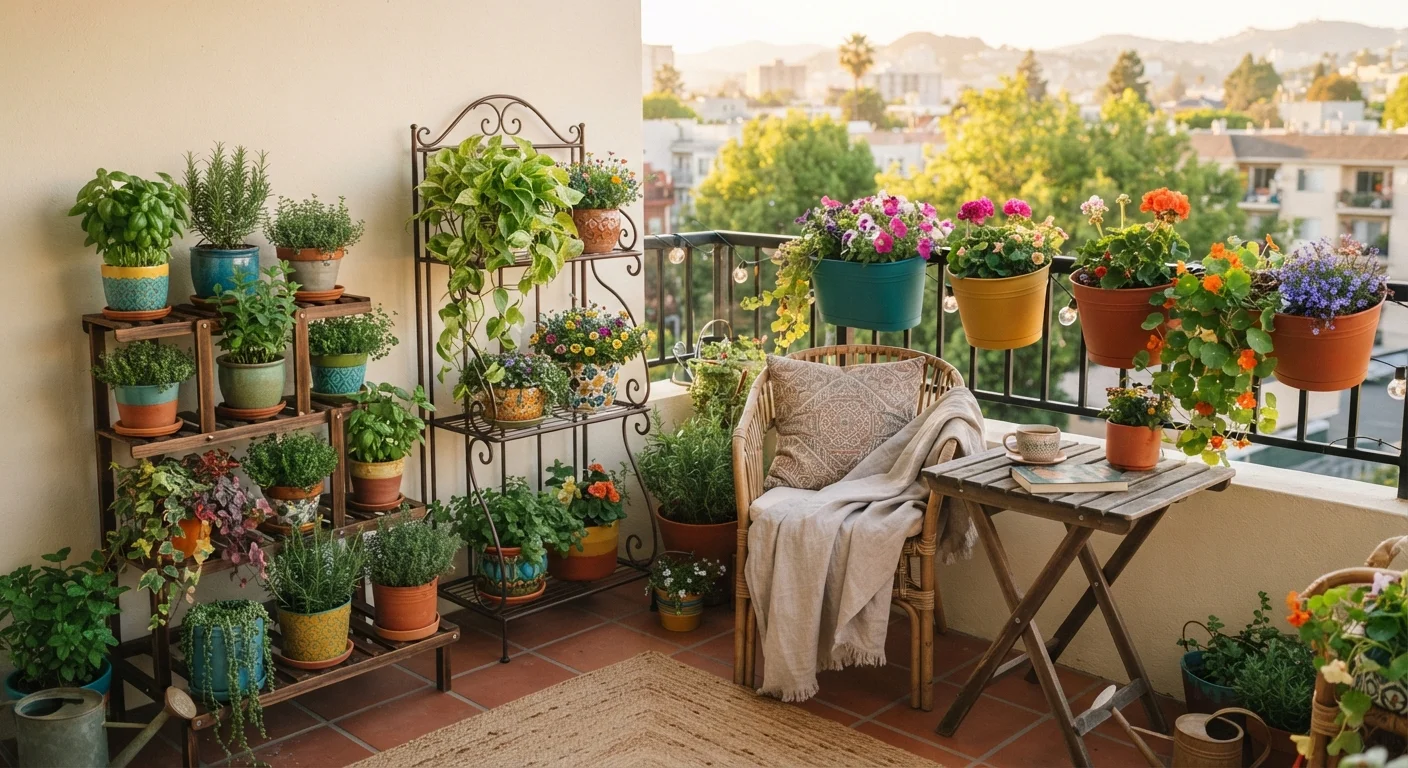
Photo: AnswersSquad.com | Explore Insightful Blogs editorial
Key Takeaways
- Always read your lease before adding any plants, hooks, or soil to a rental property.
- Freestanding plant stands and tension rod shelves let you garden vertically without wall damage.
- Balcony container gardening carries real risk - drainage, weight limits, and water damage matter.
- Renters who document the unit's condition at move-in have stronger grounds to dispute deposit claims.
- Indoor container gardens on existing surfaces are generally the lowest-risk approach for renters.
Freestanding plant stands need no wall attachment
Ladder-style or tiered plant stands sit on the floor, hold multiple pots, and move out cleanly. They're one of the most versatile solutions for renters who want vertical visual impact.
Window ledges and sills are already permitted surfaces
South- or east-facing windowsills are prime real estate for herbs and succulents. No lease negotiation needed - you're simply using existing architecture.
Tension rod shelves in windows avoid drilling
Tension rods installed inside a window frame can support lightweight shelves or hanging planters. They apply pressure rather than hardware and leave no marks when removed.
Balcony container gardens are generally permissible
Most leases allow container use on balconies as long as drainage is managed and weight limits aren't exceeded. Using self-watering pots with reservoirs significantly reduces overflow risk.
Indoor plants improve air quality and mental well-being
Research consistently links indoor plants to reduced stress and improved mood in small-space living. The low barrier to starting - a single pothos on a shelf - makes this one of the most accessible home improvements available to renters.
Wall hooks and anchors leave permanent damage
Even small screw holes can result in deposit deductions for repainting or patching. Adhesive alternatives rated for the weight of your planter are a safer choice - but check weight limits carefully.
Soil on carpet is nearly impossible to fully remove
Potting mix tracked across carpeted areas can stain and embed in fibers. Working exclusively with hard-surface rooms and keeping a mat under all pots reduces this risk significantly.
Balcony water drainage can damage units below
Watering a balcony planter without a sealed saucer can send water onto the downstairs neighbor's space, creating a liability issue beyond just your deposit.
Structural modifications require landlord permission
Installing a window box bracket, a mounted trellis, or any hardware that goes into an exterior wall typically constitutes an alteration under most leases and requires written landlord approval.
Pest infestations can be attributed to plants
Bringing outdoor soil inside or leaving plants too wet can attract fungus gnats or other pests. A serious infestation that spreads to other units could create liability well beyond a deposit issue.
Why Gardening in a Rental Is More Complicated Than It Looks
Growing plants in a rental sounds straightforward until you read your lease carefully. Most standard leases include language about alterations, damage, and outdoor space use - and gardening touches all three. A nail hole for a hanging planter, soil tracked across carpeting, or a balcony planter that leaks onto the unit below can all trigger deposit deductions or lease violations.
Before you buy a single pot, take two steps: read your lease in full and do a thorough move-in walkthrough with photos. The Apartment Garden Setup Checklist walks through what to assess before you commit to any setup. Understanding the baseline condition of your unit is your first line of deposit protection.
Your Lease Is the Final Word
What You Can Generally Do Without Lease Risk
The following approaches tend to be low-risk for most renters, though you should still verify against your specific lease terms.
Freestanding plant stands need no wall attachment
Ladder-style or tiered plant stands sit on the floor, hold multiple pots, and move out cleanly. They're one of the most versatile solutions for renters who want vertical visual impact.
Window ledges and sills are already permitted surfaces
South- or east-facing windowsills are prime real estate for herbs and succulents. No lease negotiation needed - you're simply using existing architecture.
Tension rod shelves in windows avoid drilling
Tension rods installed inside a window frame can support lightweight shelves or hanging planters. They apply pressure rather than hardware and leave no marks when removed.
Balcony container gardens are generally permissible
Most leases allow container use on balconies as long as drainage is managed and weight limits aren't exceeded. Using self-watering pots with reservoirs significantly reduces overflow risk.
Indoor plants improve air quality and mental well-being
Research consistently links indoor plants to reduced stress and improved mood in small-space living. The low barrier to starting - a single pothos on a shelf - makes this one of the most accessible home improvements available to renters.
The common thread here is impermanence. Anything that leaves the unit in exactly the same condition as you found it is almost always fair game. For ideas on making the most of your existing wall and shelf space without drilling, see our guide to vertical gardening in a rental.
What Can Get You Into Deposit Trouble
Some popular gardening approaches carry genuine financial risk in a rental context. Understanding these helps you make deliberate trade-offs rather than expensive surprises.
Wall hooks and anchors leave permanent damage
Even small screw holes can result in deposit deductions for repainting or patching. Adhesive alternatives rated for the weight of your planter are a safer choice - but check weight limits carefully.
Soil on carpet is nearly impossible to fully remove
Potting mix tracked across carpeted areas can stain and embed in fibers. Working exclusively with hard-surface rooms and keeping a mat under all pots reduces this risk significantly.
Balcony water drainage can damage units below
Watering a balcony planter without a sealed saucer can send water onto the downstairs neighbor's space, creating a liability issue beyond just your deposit.
Structural modifications require landlord permission
Installing a window box bracket, a mounted trellis, or any hardware that goes into an exterior wall typically constitutes an alteration under most leases and requires written landlord approval.
Pest infestations can be attributed to plants
Bringing outdoor soil inside or leaving plants too wet can attract fungus gnats or other pests. A serious infestation that spreads to other units could create liability well beyond a deposit issue.
If you're weighing whether gardening upgrades are worth investing in for a rental versus waiting until you own, our broader guide to renting vs. owning and what you should buy applies the same framework to furniture decisions.
How to Garden Creatively Within Rental Limits
The most effective rental gardeners treat constraints as a design brief. Here are practical approaches that work within most leases:
- Use furniture as infrastructure. Bookshelves, side tables, and windowsills are already permitted surfaces. Tiered plant stands give you height without touching a wall.
- Go full container. Every plant in a pot means every plant is portable. When you move, the garden moves with you.
- Choose leak-proof saucers religiously. A single water stain on hardwood flooring can cost more than an entire season of plants. Double-saucer systems and waterproof liners are worth the small extra cost.
- Ask first. Many landlords will grant written permission for specific modifications - a hook on a balcony rail, a window box bracket - if asked politely and in writing. Get the agreement documented.
For a comprehensive starting point, our apartment gardening beginner's guide covers soil, containers, and the easiest plants to start with - all framed for small rental spaces. Once you're set up, keeping your apartment garden healthy year-round will help you maintain it through seasonal changes.
93%
Renters in US cities living in apartments
According to US Census Bureau data, the vast majority of urban renters live in multi-unit buildings where outdoor space is shared or limited, making container and indoor gardening the primary viable option.
$200-$500
Typical cost of flooring water damage repair
Home repair cost estimates from various contractors suggest even minor water damage to hardwood floors - such as from an overflowing plant saucer - can cost hundreds of dollars to refinish or replace.
The content provided on our blog site traverses numerous categories, offering readers valuable and practical information. Readers can use the editorial team’s research and data to gain more insights into their topics of interest. However, they are requested not to treat the articles as conclusive. The website team cannot be held responsible for differences in data or inaccuracies found across other platforms. Please also note that the site might also miss out on various schemes and offers available that the readers may find more beneficial than the ones we cover.