
Renting vs Owning: Does It Change the Furniture You Should Buy?

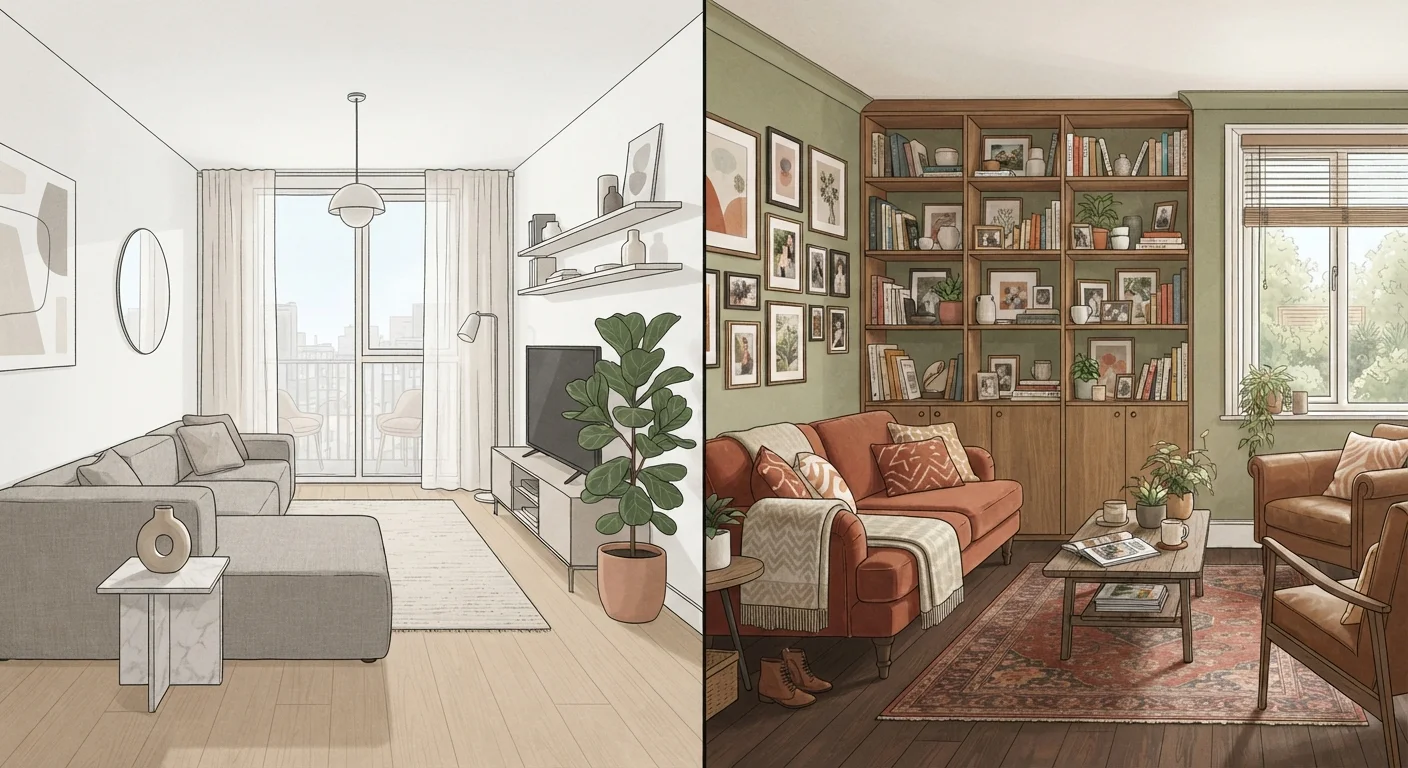
Photo: AnswersSquad.com | Explore Insightful Blogs editorial
Key Takeaways
- Renters should prioritize furniture that's easy to move, adaptable, and less expensive to replace.
- Homeowners can justify higher upfront costs on pieces they'll keep long-term.
- Neither situation should lead to impulse purchases - planning by room and priority matters either way.
- Modular and multi-function furniture serves renters especially well in changing floor plans.
- Homeowners gain more freedom to customize but carry more responsibility for wear and repair.
Why Your Housing Status Is a Furniture Variable
Most furniture advice skips over one of the most important questions: how long do you plan to stay? Whether you're renting or own your home doesn't just affect your décor freedom - it fundamentally changes what makes sense to buy, how much to spend, and what trade-offs are worth making.
Renters face constraints that homeowners don't: lease terms, potential moves, landlord rules on wall anchoring, and the reality that next year's apartment may have completely different dimensions. Homeowners, on the other hand, carry fewer restrictions on customization but more responsibility for how furniture ages in a fixed space they're financially committed to.
Neither position is better - but each calls for a different decision framework. Understanding yours before you shop can save you real money and real frustration. See our room-by-room furniture priority guide for a practical sequence to follow regardless of your situation.
| Criterion | Renting | Owning |
|---|---|---|
| Time horizon | Often 1-3 years per space | Typically 5-15+ years |
| Furniture portability | High priority | Low priority |
| Wall-mounting flexibility | Often lease-restricted | Fully available |
| Ideal spend strategy | Concentrate on essentials; keep rest affordable | Invest in durability for high-use pieces |
| Risk of poor fit | Higher - space changes with each move | Lower - fixed, known dimensions |
| Value of modular furniture | Very high | Moderate |
| Secondhand furniture suitability | Strong fit for shorter-term use | Worth evaluating case by case |
Furniture Thinking for Renters: Mobility Over Permanence
The renter's core challenge is uncertainty. You may move in 12 months or 36 - and your next place may be bigger, smaller, or shaped entirely differently. That uncertainty should steer you toward furniture that's adaptable, moveable, and not too precious to leave behind if it doesn't fit the next space.
Modular shelving, fold-flat dining tables, and sofas with removable sections all earn their place in a renter's home. These pieces work across different floor plans, which matters when you can't guarantee consistency. Furniture logic shifts significantly between open-plan and walled-room layouts - if you rent, you may need to plan for both.
Budget allocation also looks different. Rather than spending heavily across every room upfront, renters often do better concentrating their budget on a few high-use anchors - a good mattress, a reliable sofa - while keeping secondary pieces affordable and easy to replace. Secondhand furniture is worth exploring seriously here, since short-term use cases reduce the risk of buying something pre-owned.
One practical limit renters often forget: wall-mounted or anchored furniture may violate lease terms. Before buying a bookcase that requires wall studs or a TV mount, check your lease - and factor the cost of patch-and-paint repairs into your planning. This same principle applies to outdoor and balcony setups too.
~35%
US households that rent their home
According to U.S. Census Bureau data, roughly one in three American households rents, meaning furniture decisions suited to mobility affect tens of millions of people.
2-3 years
Average tenure of US renters per address
Research from the Harvard Joint Center for Housing Studies suggests many renters move more frequently than homeowners, reinforcing the case for portable, adaptable furniture.
Furniture Thinking for Homeowners: Longevity Over Lightness
When you own your home, the calculus shifts. You're not planning for a moving truck - you're planning for a decade or more in the same rooms. That changes what's worth paying for.
Durable construction, solid joinery, and quality upholstery fabric matter more when a piece is going to absorb ten years of daily use. A sofa that feels like a stretch financially may cost less per year than a cheaper one you replace twice. The same logic applies to dining tables, bed frames, and storage furniture that has to work hard in fixed, known dimensions.
Homeowners also gain latitude renters don't have: wall anchoring for safety and aesthetics, built-in shelving, larger or heavier pieces that aren't feasible to move. This opens up a wider range of furniture types - but it also raises the stakes on decisions. A built-in unit or a heavy sectional is harder to undo than a flat-pack shelf.
Even so, owning doesn't mean spending without discipline. If you've recently bought a home, your finances may be stretched. There's no rule requiring full furnishing on day one. Prioritizing room by room - starting with sleep and daily function - and upgrading over time is a sound approach that smart budgeting supports well.
Owning Doesn't Mean You're Immune to Overspending
The Decisions That Apply Either Way
Regardless of whether you rent or own, some furniture principles hold across the board. Function should lead aesthetics - a beautiful piece that doesn't work for your daily life will frustrate you whether or not you're planning to move. Scale matters equally in both situations; furniture that overwhelms a room or leaves it feeling empty fails in any context.
Multi-function furniture - storage ottomans, extendable tables, sofa beds - earns its place in both renter and owner homes, though for slightly different reasons. Renters value the flexibility; owners often value the space efficiency in a fixed layout.
Where the two situations truly diverge is in how you weigh the cost-per-year of a piece. Renters benefit from keeping that number lower by spending less upfront. Homeowners benefit from accepting a higher upfront cost in exchange for durability. Neither approach is wrong - they just reflect different time horizons and different financial situations. If you're evaluating when ownership (of anything) makes more sense than short-term use, this comparison of renting versus owning occasional-use items offers useful framing.
The content provided on our blog site traverses numerous categories, offering readers valuable and practical information. Readers can use the editorial team’s research and data to gain more insights into their topics of interest. However, they are requested not to treat the articles as conclusive. The website team cannot be held responsible for differences in data or inaccuracies found across other platforms. Please also note that the site might also miss out on various schemes and offers available that the readers may find more beneficial than the ones we cover.