
Open-Plan Living vs Defined Rooms: Arranging Furniture for Each

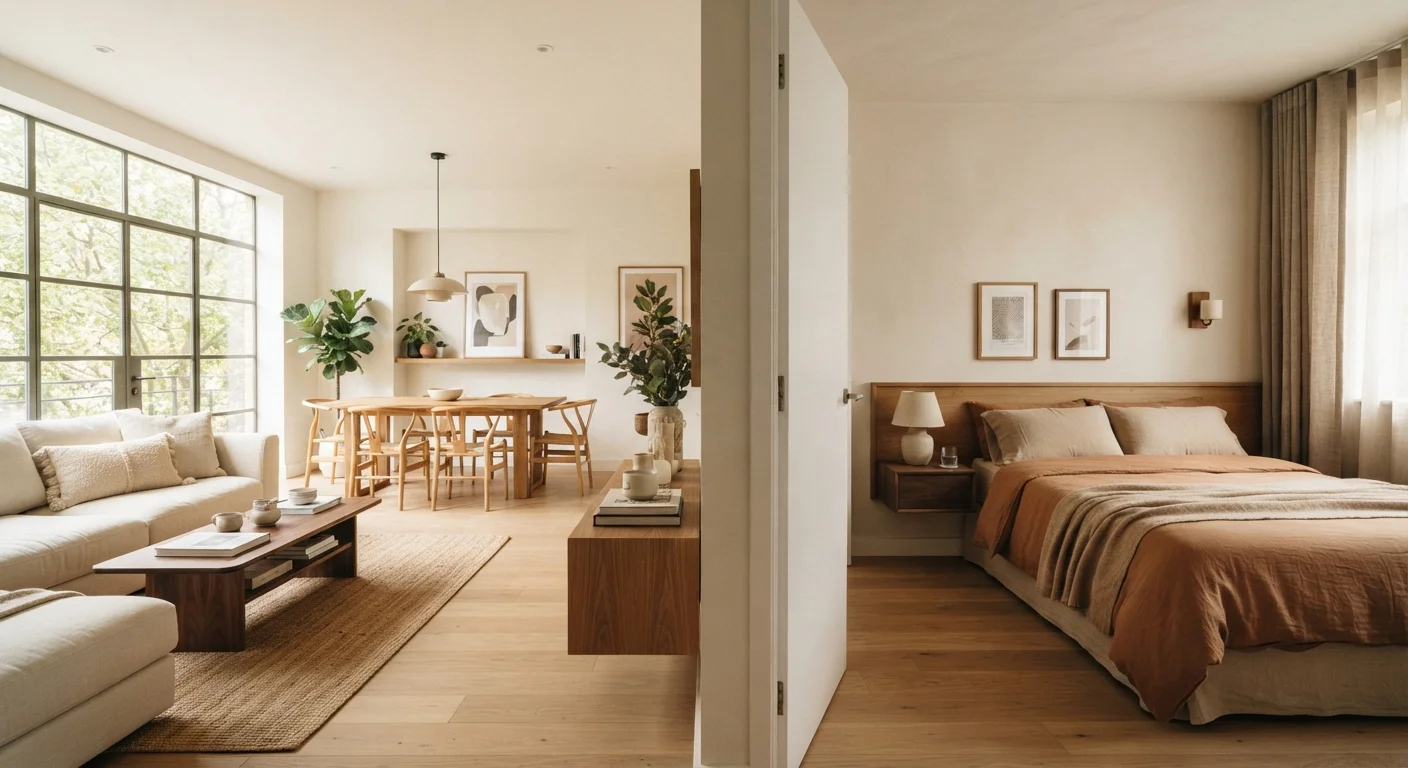
Photo: AnswersSquad.com | Explore Insightful Blogs editorial
Key Takeaways
- Open-plan spaces need furniture to do the work that walls normally do - defining zones.
- Defined rooms allow furniture to be arranged around a single clear purpose and focal point.
- Rugs, sofas, and lighting placement are the three tools that matter most in open-plan layouts.
- In walled rooms, scale and traffic flow are the two variables most worth getting right.
- Your layout type should influence what furniture you prioritize buying first.
What Makes These Two Layouts Fundamentally Different
The core difference isn't aesthetic - it's structural. In a defined-room layout, walls handle all the heavy lifting of separating functions. Each room has one job: sleeping, eating, working. Furniture only has to serve that purpose.
In an open-plan space, that organizing structure is absent. The kitchen, dining area, and living room often share one continuous footprint. Without physical boundaries, furniture becomes the architecture. Every sofa placement, every rug edge, every lamp position either reinforces or undermines how the space reads and functions.
Understanding this difference changes how you prioritize purchases. In a defined room, you can furnish one space at a time. In an open-plan home, the zones need to feel coherent from day one - which means making more decisions simultaneously. See our structured budget guide for advice on sequencing purchases across a whole property without overspending early.
Arranging Furniture in an Open-Plan Space
The most common mistake in open-plan living is pushing all furniture against the walls. This creates a vast, uncomfortable void in the center and blurs every zone together. Instead, use furniture to claim territory.
Zone With Rugs First
A rug defines a zone more clearly than almost any other element. Float it under your seating group so all legs - or at least the front legs - sit on the rug. This visually anchors the living area without any physical barrier.
Orient the Sofa as a Divider
A sofa's back can act as a soft wall between the living and dining areas. Positioning it perpendicular to the room's main axis - rather than parallel to a wall - creates a sense of passage between zones while keeping sightlines open.
Match Lighting to Each Zone
Overhead lighting in open-plan spaces tends to wash everything uniformly. A pendant over the dining table and a floor lamp beside the sofa carve out two distinct pools of light, reinforcing the zone structure even when the spaces share square footage.
| Open-Plan Living | Defined Rooms | |
|---|---|---|
| Zone definition | Created by furniture, rugs, and lighting | Provided by walls and doorways |
| Furniture selection pressure | High - pieces must work across zones | Lower - each room has one purpose |
| Common layout mistake | Pushing all furniture against walls | Buying pieces that are over- or under-scale |
| Key anchor piece | Area rug to define living zone | Sofa or bed sized to the room's dimensions |
| Lighting strategy | Zone-specific task and ambient layers | Centered or focal overhead with supplemental lamps |
| Best for renters? | Workable, but requires more planning | Generally simpler to furnish incrementally |
For help identifying where your eye naturally lands - which should anchor your first zone - see our guide on choosing a focal point.
Arranging Furniture in Defined Rooms
Walled rooms give you a frame. Your job is to work within it intentionally rather than just filling it.
Scale Is Everything
The biggest pitfall in a defined room is misjudging scale. A sofa that's too large leaves no breathing room; one that's too small makes the space feel scattered. Measure wall lengths and map out furniture footprints on paper or with a free floor-planning app before buying anything.
Respect Traffic Flow
In a closed room, poor traffic flow becomes frustrating fast. Leave at least 30-36 inches of clearance for main pathways and 18-24 inches between the sofa and coffee table. These aren't rigid rules, but they reflect how people move comfortably through a room.
Use the Room's Purpose to Anchor Decisions
Because a defined room has one clear purpose, you can make every furniture choice in service of that function. A bedroom isn't also a dining room, so every piece can prioritize sleep and storage. This single-purpose clarity is actually an advantage - use it. Small-space furniture principles apply particularly well here, especially in compact defined rooms like studios with a sleeping alcove.
Start With Measurements, Not Inspiration
Practical Considerations for Renters vs. Owners
Your tenure matters here. Renters in open-plan apartments often can't add walls or permanent dividers, which means furniture-as-architecture is the only tool available. That puts more pressure on choosing versatile, moveable pieces that can zone a space without permanent installation.
Owners have more latitude - they can add a bookshelf partition, a half-wall, or a sliding screen to create definition in an open plan. But even then, understanding the furniture logic behind each layout helps you make smarter choices about what to build in versus what to furnish around.
How your rental or ownership status shapes furniture decisions is worth reading before you commit to larger pieces that are difficult to move or adapt. Budget awareness matters equally: building a personal budget before shopping prevents the common trap of overspending on one statement piece and leaving a zone half-furnished.
The content provided on our blog site traverses numerous categories, offering readers valuable and practical information. Readers can use the editorial team’s research and data to gain more insights into their topics of interest. However, they are requested not to treat the articles as conclusive. The website team cannot be held responsible for differences in data or inaccuracies found across other platforms. Please also note that the site might also miss out on various schemes and offers available that the readers may find more beneficial than the ones we cover.