
Furnishing an Entire Home Without Running Out of Budget Midway

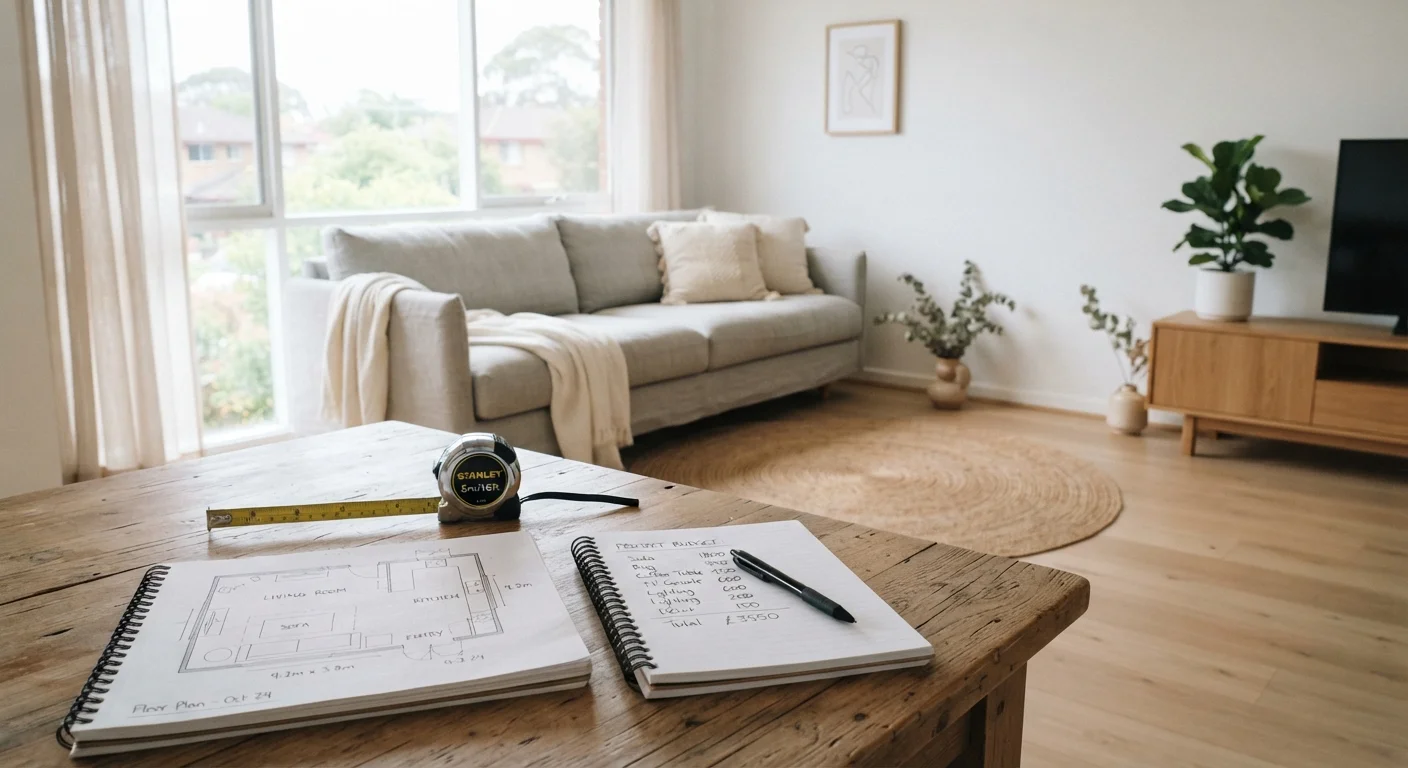
Photo: AnswersSquad.com | Explore Insightful Blogs editorial
Key Takeaways
- List every room's needs before purchasing anything so you see the full cost picture upfront.
- Allocate budget by priority: sleep, work, and daily function come before aesthetics.
- Reserve 10-15% of your total budget as a buffer for unexpected costs or gaps.
- Phase your purchases across weeks or months rather than furnishing everything on move-in day.
- Measure every space before committing to any piece - returns cost time and sometimes money.
Why Most People Run Short Before the Last Room
Furnishing a whole home feels manageable until it isn't. The pattern is predictable: you spend carefully on the first room or two, feel good about the choices, and then realize that the remaining rooms - and the remaining budget - don't match. By the time you reach the home office or spare room, you're either dipping into savings you'd meant to protect or simply leaving spaces empty.
The cause is almost always the same: no whole-home budget view was set at the start. Most people think room by room rather than property-wide, which means priorities aren't ranked, allocations aren't fixed, and the first purchases absorb money that was never formally assigned to them.
This guide walks through a structured approach - used room by room, grounded in realistic numbers - that keeps your total spend in view from the first purchase to the last. It applies whether you're in a studio, a two-bedroom rental, or a first owned home.
Don't Exhaust Your Budget on Room One
What you will need
What You'll Need Before You Start
Before following the steps below, gather a few essentials. Having these in place before you spend anything will save time, prevent returns, and keep your numbers honest.
Spreadsheet or budgeting app
Track per-room allocations, individual item costs, and remaining budget in one place.
Tape measure
Confirm room dimensions and furniture dimensions match before purchasing.
Floor plan sketch or graph paper
Visualize furniture placement and spot scale issues before buying.
If your measurements aren't recorded yet, do that first. The furniture measurements checklist is a practical starting point covering doorways, alcoves, and floor area - everything that affects whether a piece actually works in your space.
Skipping Measurements Has Real Costs
The Step-by-Step Budgeting Process
Follow these steps in order. Skipping ahead - particularly to purchasing before you've set allocations - is where most plans unravel.
Write down every room and every item you need
Open a spreadsheet or notebook and list each room: bedroom, living area, kitchen, bathroom, home office, hallway - every space. Under each room, write every piece of furniture or storage it genuinely needs to function. Be specific: not just "bedroom furniture" but "bed frame, mattress, bedside table, wardrobe."
This master list is the foundation of the whole process. Without it, you're guessing, and guessing leads to overspending early and running short later. For a thorough breakdown of what each room typically requires, see the end-to-end furnishing guide.
Research realistic price ranges for every item
Against each item on your list, note a realistic price range - not the lowest price you could theoretically find, but a range that reflects what you'll actually encounter. Check multiple sources to get a credible middle estimate. Add these up per room to get a rough total per space, then sum across all rooms.
This exercise often produces an uncomfortable number - which is exactly the point. Seeing the full picture now prevents the shock of discovering you've spent 80% of your budget on two rooms.
Allocate your budget by room priority
Not every room carries equal weight. Rank your rooms by how much daily function depends on them. For most people, the order runs roughly: bedroom (sleep quality directly affects everything else), living area (daily relaxation and sometimes work), kitchen and dining (meals), home office if applicable, then secondary spaces.
Assign a firm budget cap to each room in proportion to its priority and your realistic price research. Higher-priority rooms get more; lower-priority rooms get what's left. If your layout blends spaces, open-plan versus defined room logic will help you think through what actually needs to go where.
Set aside a 10-15% contingency reserve
Before you start spending, subtract 10-15% of your total budget and park it as an untouchable reserve. This buffer covers delivery fees, assembly costs, items that are out of stock forcing a pricier alternative, and the almost-inevitable "I forgot about X" moment.
This is general financial guidance - how large a reserve makes sense depends on your own situation, so apply judgment accordingly. For more on evaluating big purchases within a budget, the budgeting basics hub offers practical frameworks.
Purchase room by room, starting with essentials
Work through your prioritized list one room at a time. Complete the essentials of your highest-priority room before moving to the next. This keeps you functional as you go rather than half-furnished everywhere at once.
Check each item's dimensions against your recorded measurements before ordering. Understanding what furniture scale actually means helps you avoid pieces that are technically the right size but visually wrong for the space. For rooms where flat-pack options are tempting, weigh the trade-offs honestly - our flat-pack furniture guide lays them out clearly.
Review and adjust before moving to secondary rooms
Once your priority rooms are furnished, pause and reconcile. Total what you've spent, compare it to your allocations, and recalculate what remains for secondary spaces. If you've come in under budget, great - extend the allocation for the next room. If you've overspent, adjust the remaining room caps now rather than hoping it balances out.
This review step is what separates a plan that holds from one that collapses in the final rooms. For guidance on evaluating whether a big remaining purchase is worth it at this stage, evaluating big-ticket purchases without feeling overwhelmed offers a structured decision process.
Phase Purchases to Protect Cash Flow
Keeping the Budget Honest as You Go
A budget that's only checked at the end isn't a budget - it's a record of what you spent. The value of the process above is in the ongoing tracking: each purchase logged, each room allocation updated, each gap spotted while there's still room to course-correct.
If a room comes in under budget, consider whether that surplus is better saved for a future upgrade or applied to a room that's running tight. Avoid the temptation to spend it on the current room just because it's available - refer back to your priority ranking.
For larger items where you're unsure whether to buy outright or explore alternatives, renting versus owning is worth reading before committing. And if you want to think more broadly about how furniture arrangement and room type interact with your budget decisions, open-plan versus defined room furniture logic provides useful context. The goal isn't a perfect home on day one - it's a functional, affordable home that you can build on without financial stress.
The content provided on our blog site traverses numerous categories, offering readers valuable and practical information. Readers can use the editorial team’s research and data to gain more insights into their topics of interest. However, they are requested not to treat the articles as conclusive. The website team cannot be held responsible for differences in data or inaccuracies found across other platforms. Please also note that the site might also miss out on various schemes and offers available that the readers may find more beneficial than the ones we cover.