
Furnishing Basics

The Furniture Measurements You Should Record Before Moving In

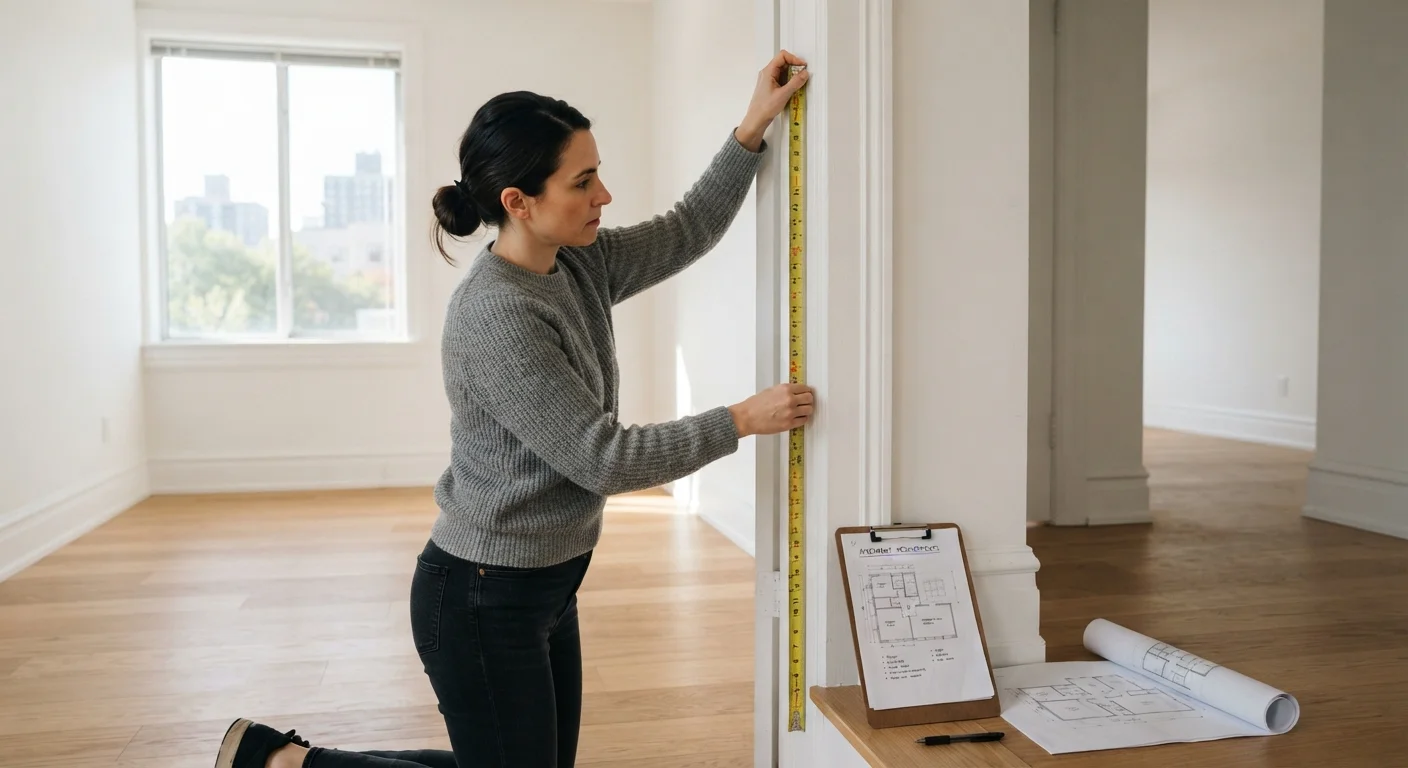
The Furniture Measurements You Should Record Before Moving In

Photo: AnswersSquad.com | Explore Insightful Blogs editorial

A practical checklist of every dimension worth capturing — doorways, alcoves, ceiling height — before a single piece arrives.

Key Takeaways

  • Doorway width and height determine whether large furniture can physically enter the space.
  • Ceiling height affects tall furniture choices like bookcases, wardrobes, and bed frames with canopies.
  • Alcove, niche, and radiator positions limit where furniture can be placed against walls.
  • Recording diagonal room measurements helps when maneuvering long items like sofas around corners.
  • Floor-to-window-sill height matters for furniture placed under or beside windows.

Why Measuring Before You Move In Matters

There's a costly assumption many first-time movers make: if the furniture fits in the room, it will fit through the door. That's often wrong. A sofa that looks perfectly sized for your living room can get permanently stuck in a stairwell or hallway — and you may not discover this until moving day, when your options are limited and expensive.

Measuring your new space before you shop or move anything in gives you a complete picture of what's actually possible. This checklist covers every dimension worth capturing, organized by location. Bring a steel tape measure (not a fabric one, which can flex), a notepad or your phone, and ideally a second person to hold the other end. If you're just starting to think through your furnishing approach, see our guide to furnishing your first home for broader context before diving into specifics.

Don't Rely on Landlord-Provided Floor Plans

Floor plans supplied by landlords or real estate listings are often approximate and may not reflect actual built dimensions. Walls may have been repositioned, alcoves added, or measurements rounded. Always take your own readings with a physical tape measure before committing to furniture purchases.

What to Measure and Record

Work through each area of the home systematically. For each room, note measurements on a rough sketch — even a basic hand-drawn floor plan helps you visualize how dimensions relate to one another. Our companion article on measuring a room before you buy furniture goes deeper on technique if you want additional guidance.

Entry Points & Pathways

Measure the width and height of every exterior door the furniture must pass through, including the front door, side entrance, and any building lobby doors. Must
Measure the width and height of all interior doorways in the rooms you plan to furnish. Must
Record the width of any hallway or corridor the furniture must travel through to reach its destination room. Must
Note the turning radius at each corner in the hallway — measure from the inside corner to the opposite wall to understand how much clearance you have when pivoting long items. Must
If there's a staircase, measure the width of the stairwell and the height of the ceiling directly above the landing, as these are the tightest choke points for tall or long pieces. Must
Record elevator interior dimensions (width, depth, and height of the doors) if you're moving into a building with one. Should

Room Dimensions

Measure the full length and width of each room at floor level, taking readings from multiple points if the room isn't a perfect rectangle. Must
Record the ceiling height in each room — essential for tall furniture like wardrobes, shelving units, and loft beds. Must
Measure the diagonal distance across each room (corner to corner) to help gauge whether large items can be angled in during delivery. Should
Note any sloped ceilings, dropped soffits, or exposed beams and measure their lowest point above the floor. Must

Walls, Alcoves & Fixed Features

Measure the width and depth of any alcoves or recesses in each room — these are prime spots for shelving or fitted storage. Must
Record the position and dimensions of radiators, including how far they project from the wall, to avoid furniture blocking heat flow. Must
Note the height of window sills from the floor in each room — furniture placed beneath windows must sit below this height. Should
Measure the usable wall length between doors, windows, and corners to identify realistic placement zones for sofas, beds, and large case pieces. Should
Identify and measure around any built-in features such as fireplaces, chimneybreasts, or fixed cabinetry that reduce usable floor space. Must

Utilities & Outlet Positions

Mark the location of every electrical outlet on your floor sketch, noting height from the floor — furniture placed in front of outlets blocks access. Should
Note the position of TV antenna points, cable outlets, and ethernet ports so you can plan media furniture placement in advance. Should
Record where light switches are positioned relative to doorways so furniture placement doesn't obstruct them. Nice to have
Note the location and reach of any fixed light fittings or ceiling pendants that may hang low and conflict with tall furniture. Nice to have
Identify the location of gas supply points or plumbing fixtures in rooms where these might affect furniture layout, such as kitchens or utility rooms. Should
Note any floor-level vents or air returns that must remain unobstructed and measure their dimensions. Nice to have

Once you have all your numbers, compare them against the listed dimensions of any furniture you're considering. Pay particular attention to scale — a piece can technically fit yet still overwhelm a room. Our piece on what furniture scale actually means explains why this happens and how to avoid it.

The Diagonal Test for Sofas and Bed Frames

When movers can't get a large piece through a door straight-on, they tilt it diagonally. The critical number then isn't the item's length or height alone — it's the diagonal measurement of the piece's longest face. Before buying any sofa or bed frame, calculate its diagonal dimension using basic geometry (or a calculator) and compare it to your doorway's diagonal clearance. If the numbers are close, treat that as a red flag worth resolving before purchase.

Putting Your Measurements to Work

After completing this checklist, you'll have a reference sheet you can bring to a showroom, share with a delivery company, or cross-check against online listings. Keep the document somewhere easy to access — a photo on your phone of a written sheet works fine. If you're managing a budget across multiple rooms, our article on furnishing an entire home without running out of budget can help you sequence purchases wisely. And if you're unsure which rooms to tackle first, see the room-by-room priority order most first-timers get wrong.

Measurements don't guarantee a perfect outcome — delivery angles, awkward landings, and building layouts can still present surprises. But going in informed dramatically reduces the chance of a costly mistake on moving day.

Required

Steel tape measure (at least 16 ft / 5 m)

Takes accurate room and doorway measurements without the flex or stretch you get from fabric tapes.

Required

Notepad and pencil (or notes app)

Records all dimensions on site so nothing is forgotten between the visit and the shopping stage.

Optional

Graph paper or free floor plan app

Lets you sketch a rough scale drawing of each room to visualize how furniture will fit relative to walls and doors.

Optional

Laser distance measurer

Speeds up solo measuring across large rooms where holding a tape measure end-to-end alone is awkward.

Home Setup 101 Editorial Team

AnswersSquad.com | Explore Insightful Blogs

Home Setup 101 Editorial Team is the collective byline for our editorial team and contributor network. Articles published under this byline or an editorial pen name are researched, written, and reviewed according to our editorial standards for clarity, consistency, and independence before publication.

Furnishing BasicsHome MaintenanceApartment Gardening
View author profile

The content provided on our blog site traverses numerous categories, offering readers valuable and practical information. Readers can use the editorial team’s research and data to gain more insights into their topics of interest. However, they are requested not to treat the articles as conclusive. The website team cannot be held responsible for differences in data or inaccuracies found across other platforms. Please also note that the site might also miss out on various schemes and offers available that the readers may find more beneficial than the ones we cover.