
Furniture for Your First Home: Where to Actually Begin

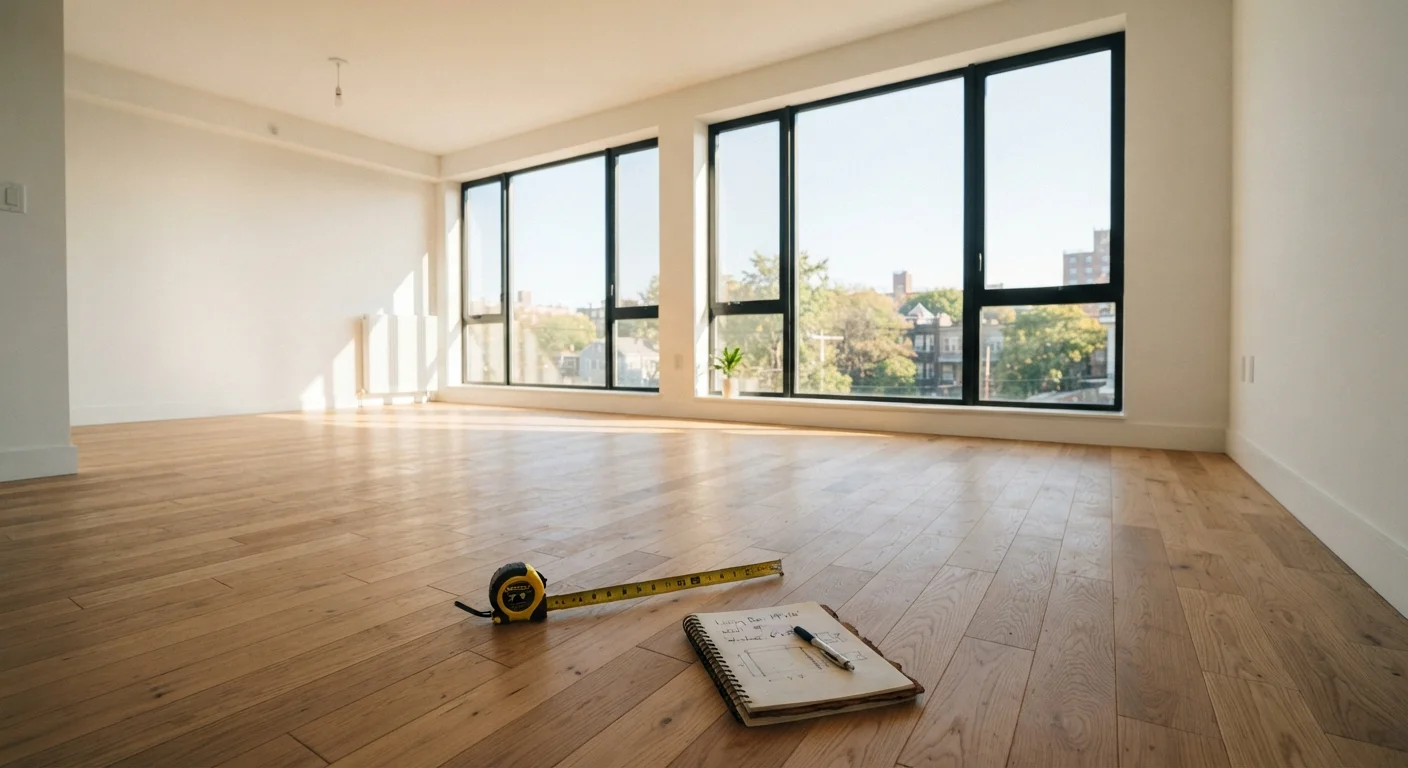
Photo: AnswersSquad.com | Explore Insightful Blogs editorial
Key Takeaways
- Measure your rooms before you buy anything - dimensions prevent costly returns.
- Budget for furniture before you start shopping, not after you fall in love with a piece.
- Prioritise sleeping and eating spaces first; decorative rooms can wait.
- Secondhand and flat-pack furniture each have real trade-offs worth understanding.
- A focal point in each room guides every other furniture decision you make.
Start With the Space, Not the Shopping
The most common mistake first-time furnishers make is skipping straight to browsing. Before you look at a single sofa or shelf, get to know your actual space.
Walk each room with a tape measure and write down the dimensions - length, width, and ceiling height. Mark where doors swing open, where windows sit, and where power outlets are located. These details aren't minor; they determine what can physically fit and where it can realistically go.
Once you have measurements, sketch a rough floor plan. It doesn't need to be precise - a pencil drawing on graph paper works fine. This exercise often reveals that a room you pictured as spacious is actually quite compact, or that an awkward alcove could serve as a smart storage spot.
Understanding your layout also helps you identify each room's focal point - the natural visual anchor that should guide furniture placement. See how to identify a room's focal point for a practical walkthrough of this concept. If you're dealing with an open-plan layout, the logic shifts further - arranging furniture in open-plan spaces requires a different approach entirely.
Floor plan
A simple top-down drawing of a room showing its dimensions, doors, windows, and how furniture might be arranged within it.
Focal point
The dominant visual feature of a room - such as a fireplace or large window - that naturally draws the eye and anchors furniture arrangement.
Flat-pack furniture
Furniture sold disassembled in a flat box that the buyer puts together at home, typically using basic tools and included instructions.
Engineered wood
A manufactured material made from wood fibres, particles, or veneers bonded together - commonly used in affordable furniture as an alternative to solid wood.
Budget allocation
The process of deciding in advance how much of your total budget will be spent in each category or room, before any purchases are made.
Set a Realistic Furniture Budget First
Furnishing a home is a significant expense, and it's easy to blow through more than you planned when you're walking around a showroom or clicking through an online store. Setting a clear budget ceiling before you begin is the single most protective step you can take.
Start by knowing your total available funds - savings earmarked for furniture after rent, moving costs, and essentials are covered. Then allocate that total across rooms by priority, not by whichever room excites you most. A structured approach to allocating your furniture budget across a whole home helps ensure you don't splurge on the living room and sleep on the floor.
If you haven't built a household budget yet, that's the right place to start. Building your first personal budget from scratch gives you a clear framework before any furniture money leaves your account.
Phase Your Spending Intentionally
Prioritise by Room Function
Not every room needs furniture on day one - and trying to fill everything at once is how people burn through a budget fast. Prioritise rooms by how often you use them and how much daily life depends on them.
The bedroom comes first. A good night's sleep isn't optional, and sitting on the floor to eat gets old quickly - so a bed and a dining surface are your non-negotiables. After that, basic seating in a living area makes the home feel functional rather than bare.
Guest rooms, home offices, and decorative spaces can wait. They're important over time, but they won't affect your quality of life in week one the same way your bedroom will. The priority order most first-timers get wrong walks through this sequencing in detail - it's worth reading before you commit to any purchases.
Understand Your Furniture Options
Once you know your space and budget, you'll face a real choice about where and how to source furniture. There are three main routes, each with genuine advantages and limitations.
Flat-pack furniture is affordable and widely available. It's easy to transport and comes in styles that suit most spaces. The trade-offs are real, though - assembly takes time, and the durability of flat-pack pieces varies significantly based on the materials used. What flat-pack doesn't tell you upfront is worth a read before you commit to a full room of it.
Secondhand furniture can offer strong value, particularly for solid pieces like dining tables, bookshelves, and bed frames. Upholstered items - sofas, mattresses - require more caution. Understanding what secondhand furniture is worth taking home helps you shop smarter at thrift stores and online marketplaces.
New retail furniture gives you warranties and consistent quality, but at a higher price. If you're buying new, understanding materials matters - the difference between solid wood, engineered wood, and MDF directly affects durability and long-term value.
Common First-Timer Mistakes to Avoid
Even with good intentions, a few patterns trip up nearly every first-time furnisher. Knowing them in advance saves real money and frustration.
- Buying without measuring. A sofa that looks compact in a showroom can overwhelm a small living room. Always confirm dimensions against your floor plan.
- Filling every room immediately. Urgency leads to impulse purchases. Give yourself permission to live in an empty room for a few weeks before committing.
- Ignoring small-space principles. If your home is compact, the usual furniture rules don't always apply. Furniture principles that work in small spaces covers approaches like multi-use pieces and raised-leg furniture that genuinely expand a room visually.
- Skipping the full picture. Furniture is just one part of setting up a home. Everything involved in furnishing a first home lays out the full scope so nothing catches you off guard.
Don't Let Excitement Override Your Measurements
Frequently Asked Questions
The content provided on our blog site traverses numerous categories, offering readers valuable and practical information. Readers can use the editorial team’s research and data to gain more insights into their topics of interest. However, they are requested not to treat the articles as conclusive. The website team cannot be held responsible for differences in data or inaccuracies found across other platforms. Please also note that the site might also miss out on various schemes and offers available that the readers may find more beneficial than the ones we cover.