
The Room-by-Room Furniture Priority Order Most First-Timers Get Wrong

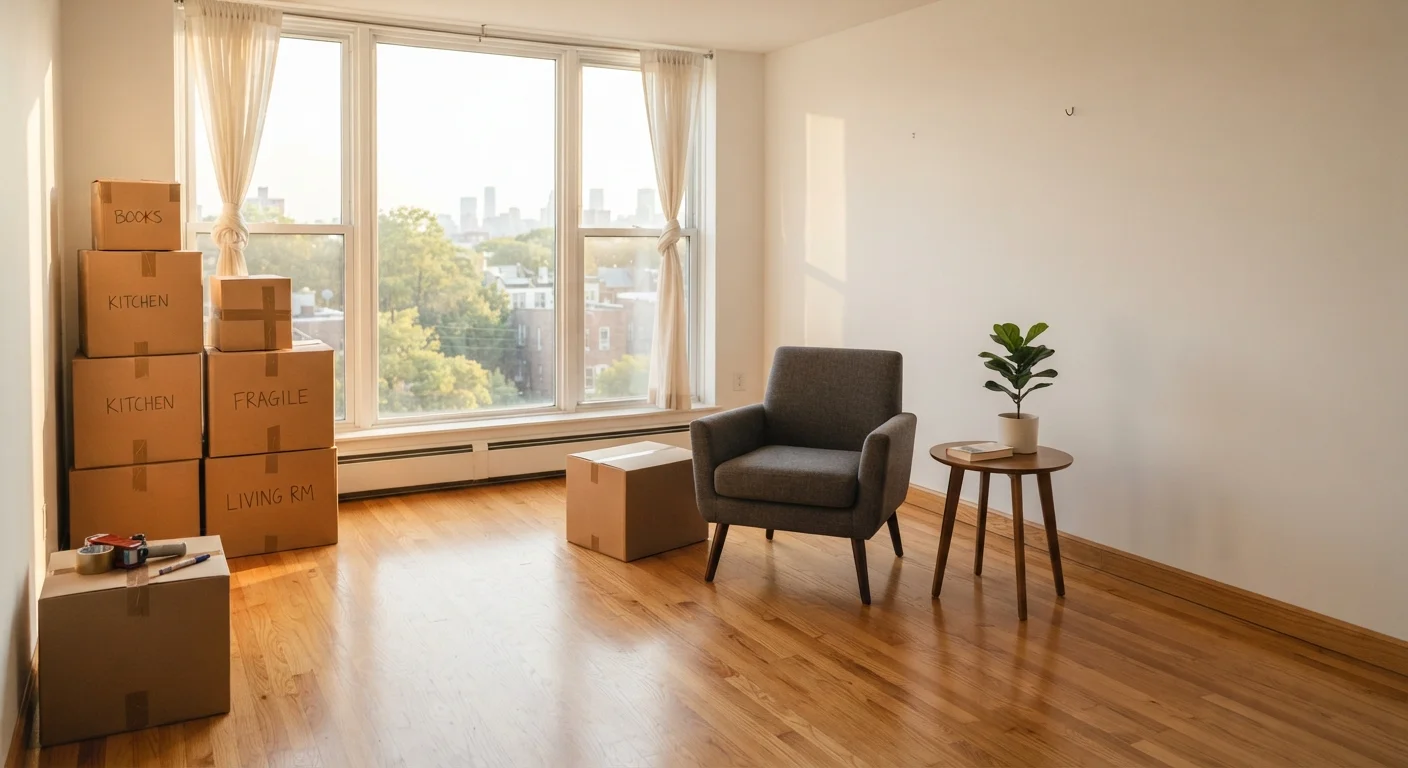
Photo: AnswersSquad.com | Explore Insightful Blogs editorial
Key Takeaways
- The bedroom, not the living room, should be your first furnishing priority in any new home.
- Rushing to fill every room at once is the fastest way to exhaust your furniture budget prematurely.
- Functional gaps matter more than aesthetic ones - prioritize what affects daily life first.
- Dining areas and home offices can often be improvised affordably until your budget recovers.
- Measuring before buying prevents costly returns and awkward room layouts.
Why the Order You Furnish Matters More Than You Think
Moving into a new place triggers an almost irresistible urge to make it look like home immediately. That impulse is understandable - but acting on it without a plan leads to a predictable and painful outcome: money gone, essential rooms still empty, and a living room that looks great but a bedroom where you're sleeping on the floor.
The sequence in which you furnish your home has a direct impact on your comfort, your finances, and your stress levels. Most first-timers default to furnishing by visibility - they tackle what guests will see first. A smarter approach is to furnish by daily dependency: the rooms and pieces you need most urgently to function in your everyday life.
If you're still figuring out where to begin, our first-home furnishing guide lays out the broader planning framework. This article focuses on the specific sequencing mistakes that trip people up once they start spending.
Sleep Deprivation Has Real Costs
The Most Common Sequencing Mistakes (And How to Correct Them)
The mistakes below follow a pattern: they all stem from prioritizing appearance or completeness over function. Each one is avoidable once you know what to watch for.
Furnishing the living room first because it's the most visible space.
Buying furniture for every room in the first month.
Treating the dining area as a high priority before a functional workspace.
Skipping room measurements before purchasing large pieces.
Overspending on decorative items before structural furniture is complete.
Ignoring the sequence in which rooms become livable.
If you're weighing how your situation as a renter versus an owner should influence these decisions, see our breakdown on how renting vs. owning shapes furniture choices. Your timeline and what's worth investing in can shift significantly depending on your housing situation.
A Practical Priority Order That Actually Works
Here's a sequencing framework grounded in daily function rather than aesthetics:
- Bedroom essentials - bed frame, mattress, and basic storage (dresser or closet organizer)
- Kitchen functionality - if your kitchen lacks a table or counter stools, a single small surface suffices initially
- Work or study space - especially critical if you work or study from home
- Living room seating - one comfortable seat or a modest sofa; resist filling the whole room at once
- Dining area - a proper dining set can wait if a temporary surface is available
- Secondary rooms - guest room, hobby room, or any space used infrequently
This order won't look the same for everyone. A household with a child will rightly prioritize differently than a single adult working remotely. The point is to let your actual daily routine drive the sequence, not the square footage of the rooms.
Don't Let the Living Room Drain Your Budget
For open-plan spaces, sequencing gets more complex because rooms aren't clearly separated. Our article on arranging furniture in open-plan vs. defined rooms covers how to handle those decisions. And if you want a budget-level view of spreading spending across an entire home, furnishing a whole home without running out of budget is worth reading before you make any purchases.
68%
First-time movers who overspend in month one
According to surveys cited in personal finance research, a majority of first-time renters report spending more than planned during their initial furnishing phase, often due to impulse purchases.
3-4 weeks
Typical time before budget regret sets in
Housing transition studies suggest most first-time renters identify furnishing regrets within the first month, particularly around purchase sequencing and room prioritization.
The content provided on our blog site traverses numerous categories, offering readers valuable and practical information. Readers can use the editorial team’s research and data to gain more insights into their topics of interest. However, they are requested not to treat the articles as conclusive. The website team cannot be held responsible for differences in data or inaccuracies found across other platforms. Please also note that the site might also miss out on various schemes and offers available that the readers may find more beneficial than the ones we cover.