
Secondhand Furniture: What's Worth Buying and What to Leave Behind

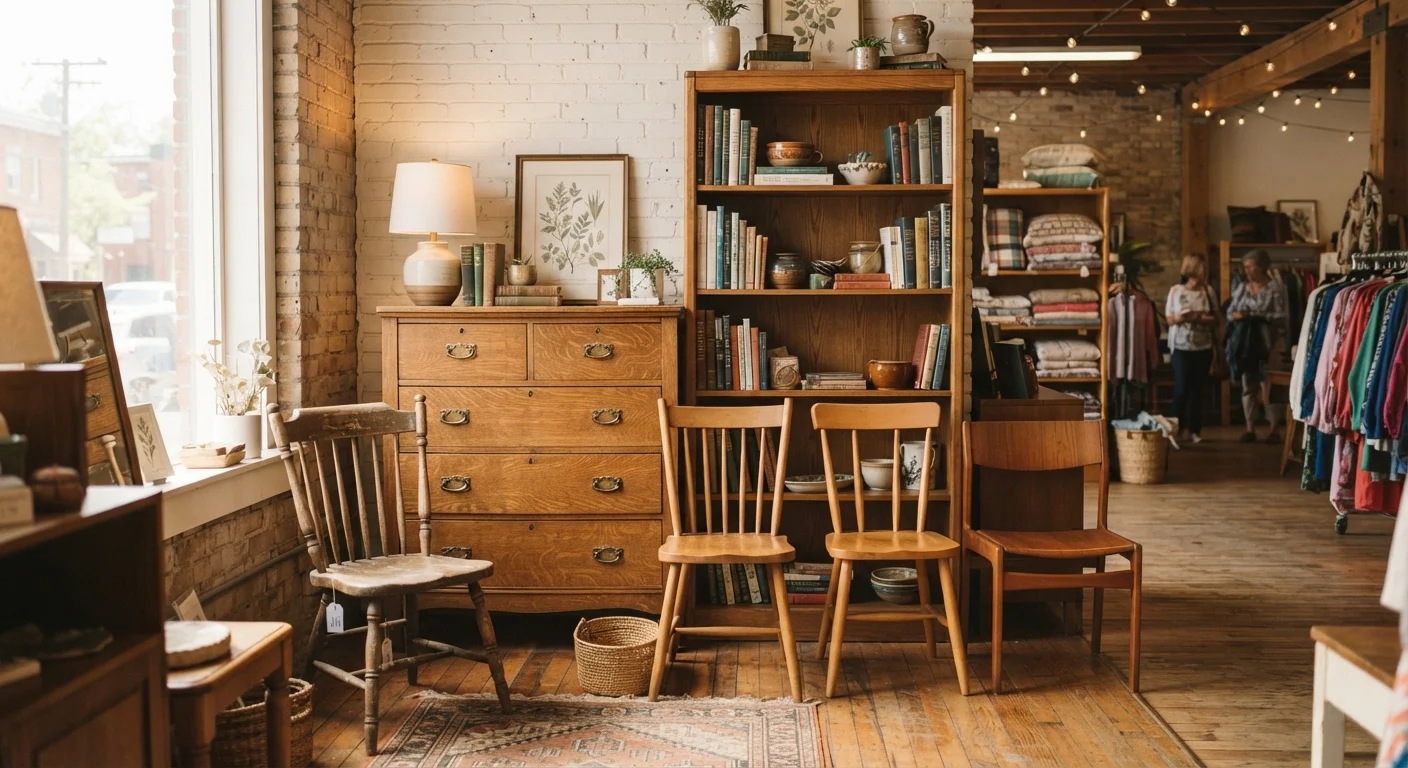
Photo: AnswersSquad.com | Explore Insightful Blogs editorial
Key Takeaways
- Solid wood and metal frames are generally safer secondhand buys than upholstered pieces.
- Mattresses, cribs, and heavily upholstered seating carry hygiene and safety risks that often outweigh the savings.
- Inspect joints, frames, and hardware carefully before committing to any used furniture purchase.
- Certain vintage pieces may contain lead paint or formaldehyde - check age and finish before buying.
- Knowing which categories to avoid saves time, money, and potential health headaches.
Why Secondhand Furniture Deserves a Closer Look
For renters and first-time homeowners working with a tight budget, the secondhand furniture market can stretch dollars significantly. Estate sales, online marketplaces, thrift stores, and neighborhood exchanges routinely offer solid, functional pieces at a fraction of their original price. The challenge isn't finding deals - it's knowing which ones are actually worth bringing home.
Not all used furniture carries the same risk profile. Some categories age gracefully and are straightforward to evaluate. Others hide problems that are difficult or impossible to fix: structural weakness, pest infestation, or hygiene concerns that no amount of cleaning will resolve. If you're just starting to furnish a space, it helps to have a clear framework before you start shopping. Our guide to furnishing your first home covers how to prioritise rooms and spend strategically - a good companion to the category-by-category breakdown below.
The list that follows separates secondhand furniture into two camps: items that tend to offer genuine value, and items where the risks generally outweigh the savings. Use it as a practical reference, not a rigid rulebook - context always matters.
Solid wood dressers and tables - generally a strong buy
Solid wood furniture is among the most forgiving secondhand purchases. Unlike particleboard or MDF (medium-density fiberboard), solid wood can withstand years of use, survive a move or two, and often be sanded and refinished if the surface shows wear. Dressers, dining tables, side tables, and bookshelves made from real wood are worth hunting for.
When inspecting, check that joints are tight and drawers slide smoothly. Look underneath and on the back panel for signs of moisture damage or warping. If a piece is painted, be aware that furniture manufactured before 1978 may have layers containing lead-based paint - this is especially relevant for pieces that will be in a child's room. When in doubt, have it tested before sanding or stripping.
Solid wood can be refinished; particleboard usually can't - that difference matters when buying used.
Metal bed frames and shelving - low risk, high reward
Metal frames are easy to inspect, simple to clean, and structurally transparent. You can see exactly what you're getting. A metal bed frame with no visible rust, intact welds, and all hardware present is a reliable find. The same applies to metal shelving units used in garages, laundry rooms, or home offices.
Check for bent supports, wobbly joints, or missing hardware. Most standard hardware is replaceable at any home improvement store, so a missing bolt or bracket shouldn't be an automatic dealbreaker. Just factor in the cost and effort of sourcing replacements.
Metal furniture is structurally transparent - what you see is genuinely what you get.
Upholstered sofas and chairs - approach with real caution
Upholstered seating is the category where secondhand shopping carries the most risk. Fabric and foam interiors can harbour allergens, mould, mildew, pet dander, and - in worst-case scenarios - bed bugs. These problems are not always visible on the surface, and they are extremely difficult to fully eliminate once present.
Before considering an upholstered piece, inspect every seam and cushion for stains, odours, or any small dark spots that might indicate pest activity. Press down firmly on cushions to check that foam still has resilience. If a piece smells musty at all, walk away - that odour typically indicates moisture damage in the foam or frame. If you do proceed, steam cleaning can address surface-level concerns, but it won't resolve a structural pest problem.
A musty smell in upholstered furniture is a signal to walk away, not a problem you can clean out.
Mattresses - almost always worth skipping
Mattresses are one of the clearest cases where the secondhand savings are not worth the trade-off. Used mattresses can carry allergens, dust mites, bacteria, and in some cases, bed bugs - none of which are reliably eliminated through cleaning or airing out. Many states also have regulations around the resale of used mattresses for exactly this reason.
Beyond hygiene, a used mattress has already compressed in ways shaped by its previous owner's body weight and sleeping position, which affects support quality in ways that are hard to evaluate until you've slept on it for weeks. For a piece of furniture you use for roughly a third of your life, this is one category where buying new, or exploring budget-friendly new options, tends to make more sense.
No amount of cleaning reliably eliminates what a used mattress may be carrying - hygiene risk is structural.
Cribs and children's safety items - leave these behind
Children's furniture - particularly cribs and safety-rated items - should almost never be purchased secondhand. Safety standards for infant sleep environments have changed significantly over the years, and a crib that looked fine a decade ago may not meet current guidelines around slat spacing, mattress fit, or drop-side mechanisms (which were phased out of US standards). An older crib without verifiable compliance history is a safety risk regardless of how sturdy it appears.
This caution extends to car seats and other child safety equipment as well. For cribs and sleep surfaces specifically, consult current guidance from the U.S. Consumer Product Safety Commission (CPSC) before making any purchase, new or used.
Outdated safety standards make secondhand cribs a risk no price reduction is worth taking.
Bookshelves and storage units - good candidates with caveats
Freestanding bookshelves and storage units are generally practical secondhand purchases, particularly when they're solid wood or metal. Inspect the back panel - if it's thin cardboard or fiberboard, it may have bowed or separated, which affects both function and stability. Check that the unit stands level and doesn't rock when empty.
Wall-mounting older shelving requires the same care as mounting anything - verify that the hardware and mounting points are intact. If you're a renter, consider how wall-mounting restrictions in your lease might affect whether a tall, freestanding bookshelf is the more practical option anyway.
A shelf that rocks when empty will only get worse under the weight of books - test stability before buying.
Flat-pack and laminate furniture - generally not worth it used
Flat-pack furniture assembled from particleboard or MDF has a limited structural lifespan under the best conditions. Once it has been assembled, used, and disassembled, the dowels and cam-lock hardware often don't hold as securely the second time around. Buying it used means inheriting all the wear without any of the original structural integrity.
If you're weighing flat-pack at all, our breakdown of flat-pack trade-offs covers what you gain and give up even when buying new. Used flat-pack magnifies the downsides considerably.
Flat-pack furniture is designed for one assembly - buying it used often means getting the worst of both worlds.
Making the Call With Confidence
The underlying principle is simple: the easier it is to inspect a piece thoroughly, the safer it is to buy secondhand. Solid frames, hard surfaces, and simple hardware can all be evaluated on the spot. Upholstered interiors, laminated cores, and anything that interacts closely with sleeping or childcare are much harder to assess - and the consequences of getting it wrong are harder to reverse.
Bring a flashlight when shopping in person
If you're weighing whether certain items are worth buying at all versus renting or borrowing, this breakdown of renting versus owning occasionally used items is worth reading. And for a broader look at the trade-offs of buying used online specifically, secondhand versus new on online marketplaces lays out what each path actually involves.
Whether you're furnishing a studio apartment or gradually building out a house, secondhand buying done carefully is a practical, budget-conscious strategy - not a compromise. The goal is simply to know which categories reward patience and which ones are best left on the curb.
The content provided on our blog site traverses numerous categories, offering readers valuable and practical information. Readers can use the editorial team’s research and data to gain more insights into their topics of interest. However, they are requested not to treat the articles as conclusive. The website team cannot be held responsible for differences in data or inaccuracies found across other platforms. Please also note that the site might also miss out on various schemes and offers available that the readers may find more beneficial than the ones we cover.