
Secondhand vs. New on Online Marketplaces: Weighing the Real Trade-Offs

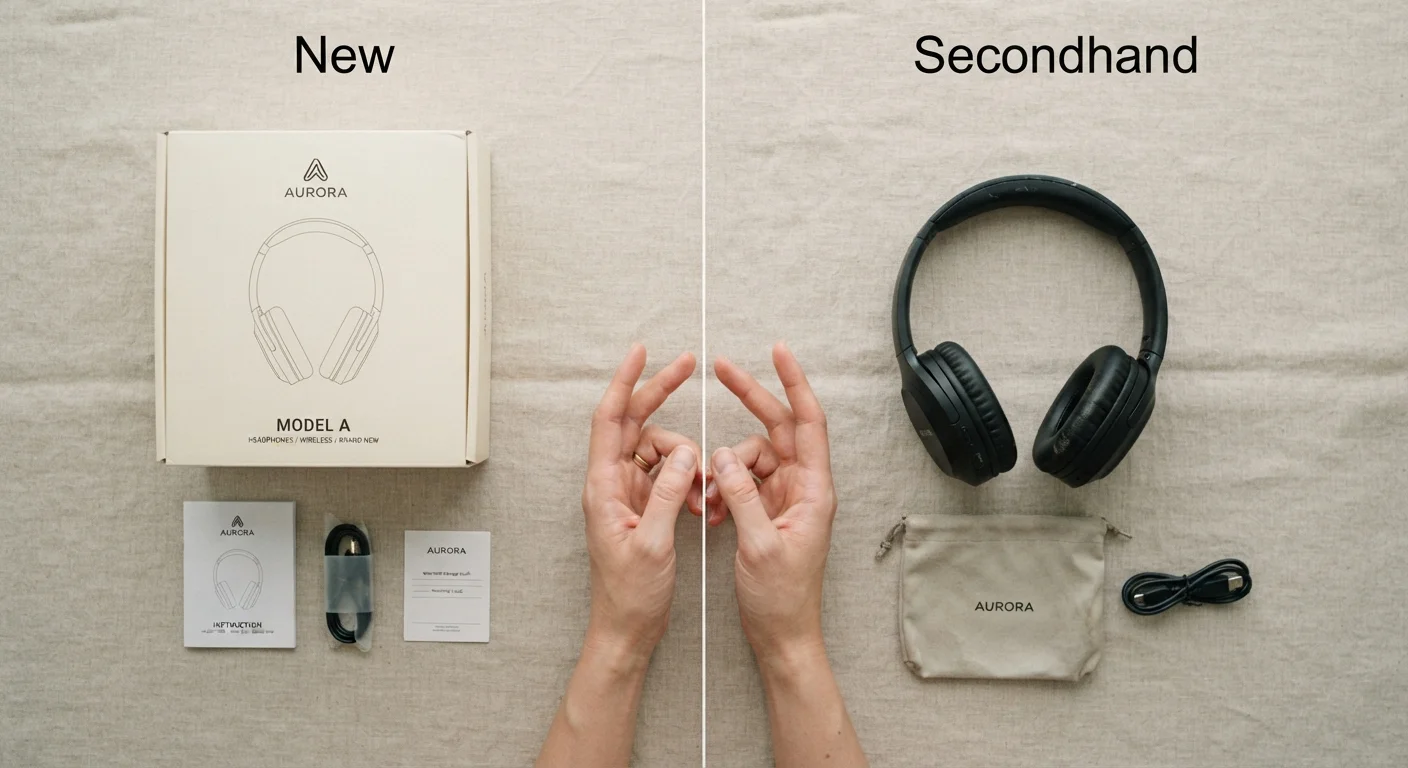
Photo: AnswersSquad.com | Explore Insightful Blogs editorial
Key Takeaways
- Secondhand listings can offer meaningful price reductions, but condition verification is your responsibility.
- New items carry predictable warranties and return policies that used listings typically cannot match.
- Seller trust signals — ratings, reviews, and platform protections — matter as much as price.
- Item category heavily influences whether buying used carries acceptable or elevated risk.
- Platform-level buyer protections vary significantly; always confirm what coverage exists before paying.
What You're Actually Comparing
When you open a marketplace listing, you're not just comparing a price tag — you're comparing two entirely different risk and value profiles. A new item comes with a defined condition, a manufacturer's warranty, and typically a clear return window. A secondhand item comes with someone else's usage history, a price discount, and a condition description that you have to trust or verify yourself.
That gap — between what's promised and what's verifiable — is where most buyer regret lives. Understanding the real trade-offs before you click "buy" is the difference between a smart deal and an expensive mistake. For a broader look at how condition tiers affect purchase decisions, see Second-Hand, Refurbished, and New: Matching Condition to Context.
The Case for Buying Secondhand
The most obvious advantage is price. Used items on peer-to-peer marketplaces can be significantly cheaper than retail, particularly for goods that depreciate quickly — consumer electronics, furniture, clothing, and books among them. For budget-conscious shoppers, that gap can make a previously unaffordable item accessible.
Beyond price, buying secondhand can mean acquiring discontinued items or older model-year products that simply aren't available new. Collectors, hobbyists, and people furnishing a first apartment often find secondhand marketplaces the only practical source for what they need. For tips on navigating furniture specifically, Secondhand Furniture: What's Worth Buying and What to Leave Behind breaks down which categories hold up well.
The risks, however, are real. Condition descriptions are written by sellers with an obvious interest in the sale. Photos may not show wear accurately. Return policies on private-party listings are often non-existent. And if a used item fails shortly after purchase, your options may be limited to whatever dispute resolution the platform offers — which varies considerably.
| Secondhand | New | |
|---|---|---|
| Typical price | Lower — often significantly | Full retail or close to it |
| Condition certainty | Described by seller; verify carefully | Defined and consistent |
| Warranty coverage | Rarely included | Manufacturer warranty applies |
| Return options | Often none on private listings | Generally structured and clear |
| Availability of discontinued items | High — often the only source | Limited to current inventory |
| Risk level for safety-critical items | Elevated — avoid for these categories | Low |
| Dispute resolution | Platform-dependent; varies widely | Clear retailer and card protections |
The Case for Buying New
New items eliminate the condition variable entirely. You know exactly what you're getting, the manufacturer warranty applies, and most marketplace platforms selling new goods offer structured return policies. For safety-critical categories — car seats, helmets, medical equipment — buying new isn't just a preference, it's often the only responsible choice, since used versions may have hidden damage or be past their certified lifespan.
New also means full manufacturer support: software updates, replacement parts availability, and customer service channels that simply don't exist once you're buying from a private seller. For items you'll depend on daily — a laptop, a kitchen appliance — that support infrastructure has real, ongoing value that the upfront price gap doesn't fully capture.
The downside is straightforward: new costs more, sometimes substantially. And for many product categories, the premium buys you diminishing marginal value — a used item in excellent condition may perform identically to a new one for most practical purposes.
Check Platform Buyer Protection Before You Pay
The Factors That Should Drive Your Decision
Item category: Electronics, safety equipment, and anything with complex internal components carry higher used-purchase risk. Books, clothing, furniture, and sporting equipment are generally lower risk if described accurately.
Seller trust signals: A high volume of positive, detailed reviews from verified buyers is a meaningful indicator — but not a guarantee. Understanding how to read those signals critically matters. Seller Ratings, Reviews, and Red Flags walks through how to evaluate listings beyond surface-level star ratings.
Platform protections: Some marketplaces offer purchase protection programs that cover non-delivery or significant item misrepresentation. Others do not. Confirm what recourse you have before completing payment — not after a problem arises. Also consider how you pay: certain payment methods offer stronger consumer dispute options than others.
Your tolerance for friction: Resolving a dispute with a private seller takes time and effort. If you need the item reliably and quickly with no follow-up hassle, new from a retailer with a clear return policy is often the lower-stress path — even if it costs more.
For broader frameworks on evaluating value and avoiding overspending, the Smart Budgeting Buys hub covers how to think through total cost, not just sticker price.
The content provided on our blog site traverses numerous categories, offering readers valuable and practical information. Readers can use the editorial team’s research and data to gain more insights into their topics of interest. However, they are requested not to treat the articles as conclusive. The website team cannot be held responsible for differences in data or inaccuracies found across other platforms. Please also note that the site might also miss out on various schemes and offers available that the readers may find more beneficial than the ones we cover.