
Renting vs. Owning an Item You Use Occasionally

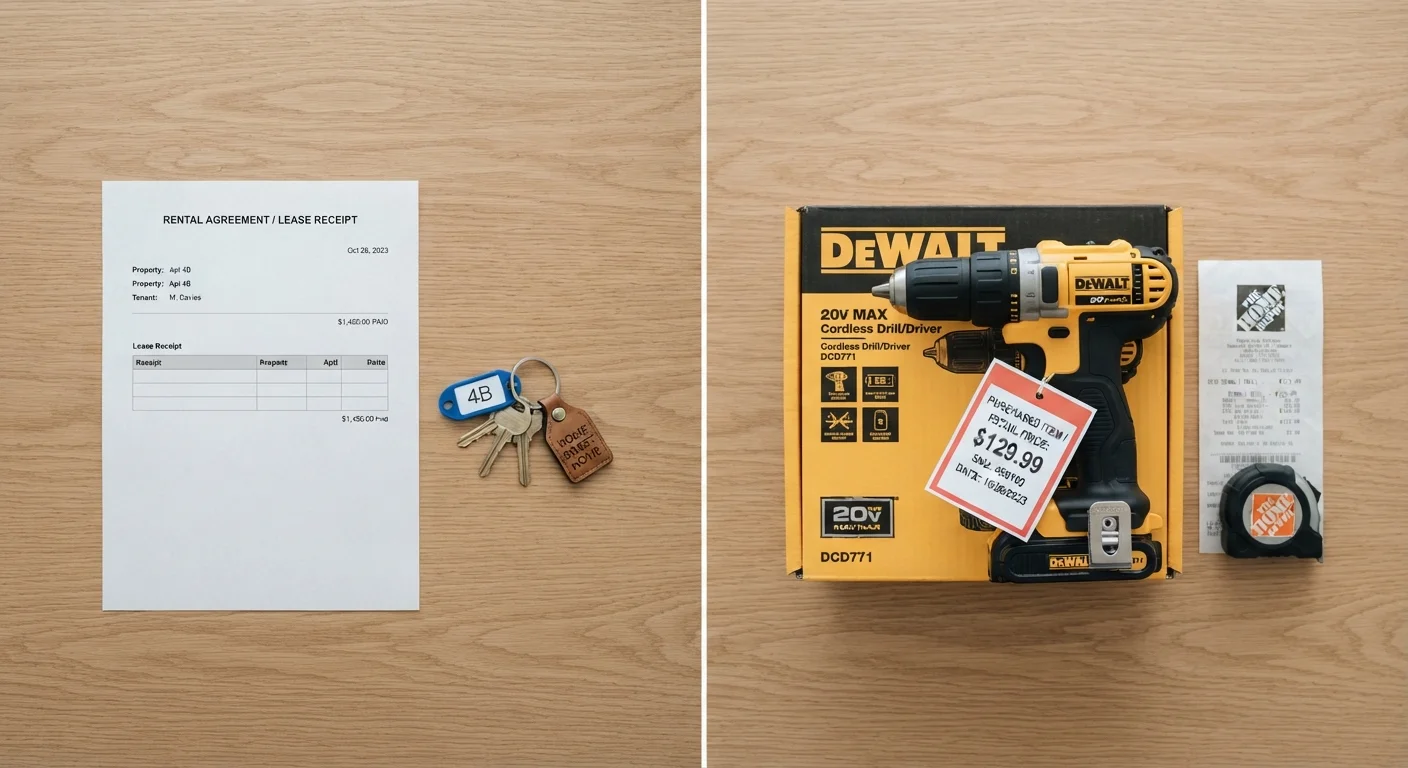
Photo: AnswersSquad.com | Explore Insightful Blogs editorial
Key Takeaways
- If you use an item fewer than a few times per year, renting often costs less overall than buying.
- Ownership makes financial sense when cumulative rental fees would surpass the purchase price within a reasonable timeframe.
- Storage costs, maintenance, and depreciation are hidden expenses of ownership that renters avoid entirely.
- Borrowing from community tool libraries or neighbors can eliminate cost altogether for occasional needs.
- The break-even point — where buying becomes cheaper than renting — is the core calculation to run before deciding.
The Core Question: How Often Do You Actually Need It?
Before spending money on anything used irregularly, the first question is simple: how many times per year will you genuinely reach for this item? That number drives almost every other part of the rent-versus-own calculation.
A common rule of thumb in personal finance circles is the "break-even test" — divide the purchase price by the rental cost per use. If you'd need to use the item that many times just to justify ownership, and your realistic usage falls short, renting is likely the financially sound path. For context, a power washer might rent for $60–$80 a day but cost $350–$500 to buy. If you're only cleaning your deck once a year, you'd need roughly five to seven years of ownership just to break even — not accounting for storage or maintenance.
This framework applies broadly: carpet cleaners, tillers, trailers, kayaks, formal attire, and specialty kitchen equipment all fit the same logic. The budgeting basics that help you allocate monthly expenses work here too — treat the break-even calculation as a quick budget check before any occasional-use purchase.
| Criterion | Renting / Borrowing | Owning Outright |
|---|---|---|
| Upfront cost | Low — pay per use | High — full purchase price |
| Long-term cost (frequent use) | Accumulates quickly | Amortizes over time |
| Storage required | None | Yes — ongoing space needed |
| Maintenance responsibility | Handled by rental provider | Owner's responsibility |
| Availability guarantee | Not always — peak seasons vary | Always on hand |
| Ability to customize/modify | Generally not permitted | Full flexibility |
| Best for usage frequency | A few times per year or less | Monthly or more |
Hidden Costs on Both Sides
Neither option is as straightforward as its sticker price suggests. Ownership carries costs that rarely appear in the moment of purchase: storage space (which has real value, especially in apartments), routine maintenance, insurance implications, and depreciation. A seldom-used item also risks becoming obsolete or degrading in storage, meaning you may replace it sooner than expected. As explored in why cheap-now-replace-later often costs more, the full lifecycle cost of ownership frequently surprises people.
Renting isn't free of friction either. Availability isn't guaranteed — peak seasons (spring for garden tools, summer for recreational gear) can mean items are booked out. Rental damage waivers add to the daily rate, and the cumulative cost of frequent short-term rentals can quietly exceed a purchase price if usage creeps up. Factor both sets of hidden costs into your decision rather than comparing sticker price to rental rate alone.
~2×
Typical rental markup over daily depreciation cost
General personal finance analysis suggests rental rates often reflect roughly twice the per-day depreciation of an owned item, making frequent renters pay a premium over time.
35%
U.S. households that report owning unused tools or equipment
Consumer surveys consistently find a significant share of households own equipment used fewer than three times per year, suggesting widespread over-purchasing of occasional-use items.
$500+
Average annual storage cost impact in urban apartments
Housing cost analyses estimate that dedicating even a small closet or utility area to infrequently used items carries an implicit opportunity cost in high-rent urban markets.
When Borrowing Beats Both Options
There's a third path worth considering: borrowing. Tool libraries operated by libraries, community organizations, and some municipalities allow residents to check out equipment for free or a nominal fee. Neighbor networks and community apps serve a similar function for smaller items. If an item genuinely comes up once or twice a year and a neighbor already owns one, a simple ask can eliminate cost and storage entirely.
This is particularly relevant for apartment dwellers navigating limited space. If you're thinking through what tools and items make sense to keep versus access on demand, the gardening in rental properties guide offers a practical parallel — the same "do I actually need to own this?" logic applies to tools, planters, and equipment alike.
For items that sit somewhere between occasional and regular use, consider whether a secondhand or refurbished purchase lowers the break-even threshold enough to make ownership viable without the full new-price commitment.
This article is for general informational and educational purposes only and does not constitute financial advice. For guidance tailored to your personal financial situation, consult a qualified financial professional.
The content provided on our blog site traverses numerous categories, offering readers valuable and practical information. Readers can use the editorial team’s research and data to gain more insights into their topics of interest. However, they are requested not to treat the articles as conclusive. The website team cannot be held responsible for differences in data or inaccuracies found across other platforms. Please also note that the site might also miss out on various schemes and offers available that the readers may find more beneficial than the ones we cover.