
Everything Involved in Furnishing a First Home, Laid Out in Full

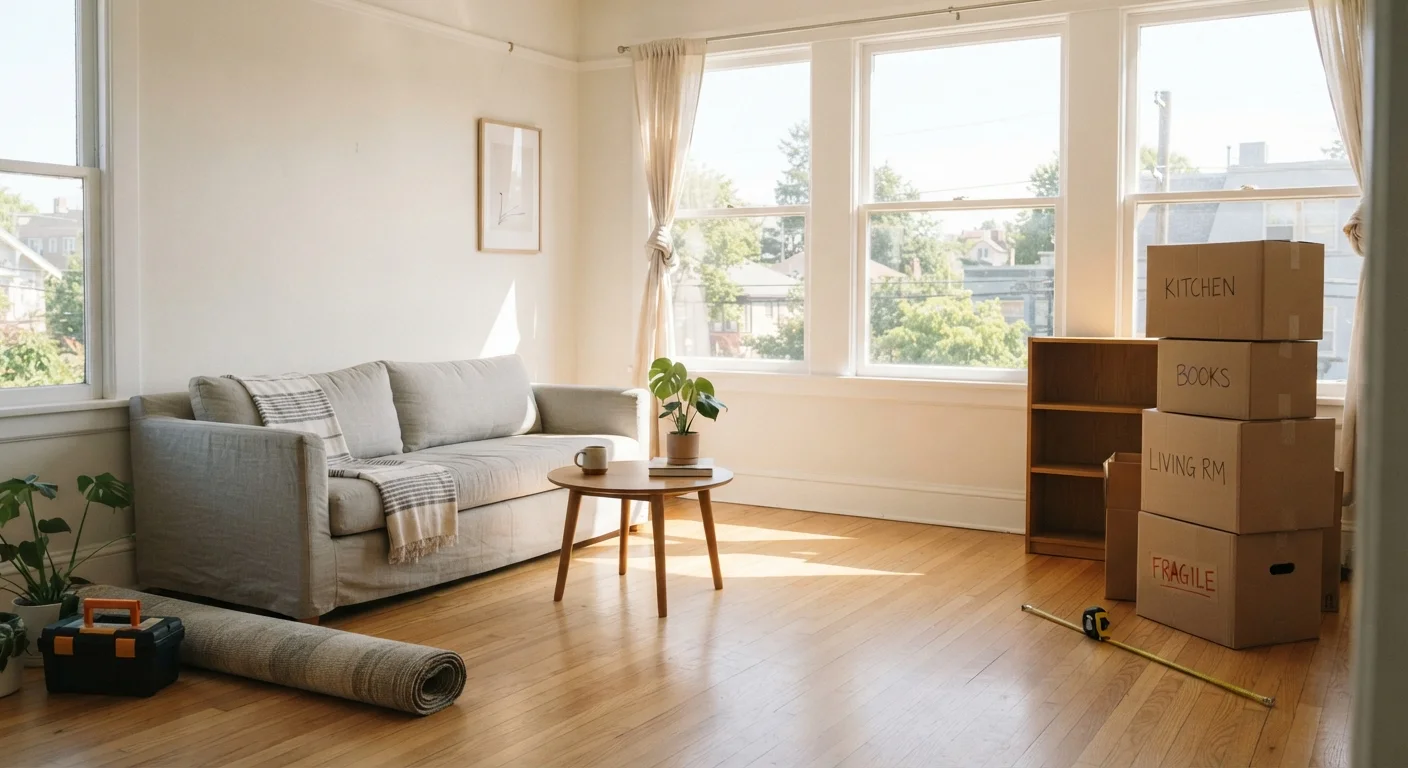
Photo: AnswersSquad.com | Explore Insightful Blogs editorial
Key Takeaways
- Measure your rooms and doorways before buying any furniture piece.
- Budget allocation across rooms prevents overspending early and running short later.
- Prioritize sleep, seating, and storage before decorative or aspirational purchases.
- Material quality affects both longevity and maintenance - match it to your lifestyle.
- Functional layout should guide arrangement decisions, not magazine aesthetics.
- Furnishing a home is a multi-stage process; phasing purchases reduces financial strain.
Start With a Clear Picture of Your Space
Before you buy a single piece of furniture, get precise measurements of every room you plan to furnish. Use a tape measure to record length, width, and ceiling height, and note any fixed elements: radiators, outlets, windows, doors, and the direction they swing open. These details will determine what fits - not just physically, but practically.
Draw a simple floor plan for each room, even a rough sketch on graph paper. Mark furniture zones: where will people walk? Where does light come from? Is there a natural focal point like a fireplace or a large window? Understanding traffic flow before you shop prevents the classic mistake of purchasing a sofa that blocks a doorway or a dining table that leaves no room to pull out chairs.
Also measure hallways, stairwells, and elevator dimensions if you're in an apartment. Many first-timers discover after the fact that their new furniture can't physically reach the room it was bought for.
Before shopping, create a 'room kit' - a single sheet with your room's dimensions, doorway widths, and photos of fixed elements. Bring it with you or reference it when browsing online so you never second-guess whether something will fit.
When evaluating a furniture piece for durability, open drawers and sit on seats in the store - or look for reviews that specifically mention how the item holds up after 12+ months of use, not just on arrival.
Set a Realistic Furnishing Budget
Furnishing a home is one of the larger discretionary expenses young adults face. Without a plan, it's easy to spend heavily on the first room and have little left for the rest. Start by deciding on a total ceiling for your furnishing spend, separate from your moving costs and emergency fund.
If you haven't established a personal budget yet, building one from scratch is a useful first step before committing to any furniture spending. Once you have a number, allocate it proportionally across rooms based on how much time you'll spend in each and which pieces are non-negotiable for daily function.
A structured approach to spreading your furniture budget across a whole property can help you avoid the common pattern of over-investing in one space. General guidance suggests prioritizing bedroom and living room spending, since those rooms affect sleep quality and daily comfort most directly.
~$4,000-$10,000
Typical first-home furnishing spend range
Industry estimates vary, but furnishing a modestly sized first home from scratch commonly falls in this range depending on room count and material choices.
36 inches
Minimum recommended walkway clearance
Interior design guidelines generally recommend at least 36 inches of clear passage in main traffic paths to ensure comfortable, accessible movement.
Prioritize Rooms and Pieces
Not everything needs to be furnished on day one - in fact, trying to do it all at once is one of the most reliable ways to make poor decisions under pressure. Focus first on the essentials for sleeping, eating, and basic comfort. A bed frame, mattress, and basic storage in the bedroom. A table and chairs or at minimum a usable surface for meals. Seating in the living area.
The sequencing of room-by-room furniture purchases matters more than most people expect. Guest rooms, decorative shelving, and accent pieces can wait weeks or months. Phasing your purchases also gives you time to live in the space and understand what you actually need - often different from what you assumed before moving in.
A useful mental framework: separate functional necessities (what you need to live comfortably day one), near-term additions (what you'll add in the first month or two), and long-term upgrades (what can wait until you've settled and saved more).
Understand Materials and Durability
Furniture materials directly affect how long pieces last, how much maintenance they require, and how well they hold up to real-life use. Solid wood is durable but heavier and more expensive; engineered wood (like MDF or particleboard) is more affordable and consistent but can be sensitive to moisture and repeated moves. Both have legitimate uses depending on the piece.
For upholstered items like sofas and chairs, fabric type matters. Performance fabrics and microfibers tend to resist staining better than natural linens for everyday use - relevant if you have pets, kids, or simply prefer low-maintenance living. Leather and leather alternatives each have trade-offs in breathability, durability, and care requirements.
Metal frames in bed bases and shelving units are generally more stable than wooden equivalents at similar price points, especially for pieces that will be assembled and disassembled if you move. Ask how a piece is joined - dowels, screws, and cam locks each have different longevity profiles. This matters more for furniture you'll move repeatedly than for pieces you expect to leave in place for years.
Watch Out for Flat-Pack Assembly Limitations
Arrange for Function First, Aesthetics Second
Once your furniture arrives, resist the urge to arrange based on how it looks in photos. Instead, start with function: where will people sit relative to each other and the television or focal point? Does the bed placement give you easy access to both sides? Is the desk positioned to reduce screen glare?
Good arrangement supports how you actually move through and use a room. Maintain at least 36 inches of clearance in main walkways. In a dining area, allow 42-48 inches between the table edge and the wall so chairs can be pulled out comfortably. In the bedroom, nightstands on both sides of a bed are functionally useful even in small rooms - measure to confirm before ruling it out.
It's normal to rearrange multiple times. Treat the initial layout as a working draft. After living with it for a few weeks, you'll have a much clearer sense of what isn't working and why.
Common Mistakes and How to Avoid Them
Several patterns trip up first-time furnishers with predictable regularity. Buying everything from the same collection can make a room feel flat and staged rather than lived-in. Mixing textures, heights, and sources almost always produces more interesting and personal results.
Choosing furniture that's too large for the space is another frequent issue - oversized sectionals and king-sized beds in small rooms restrict movement and make spaces feel cramped. When in doubt, go slightly smaller: you can always add pieces, but you can't shrink what you've already bought.
Finally, don't underestimate delivery timelines and assembly time. Many furniture items, especially those ordered online, have multi-week lead times. Plan purchases so essentials arrive before or on move-in day, not weeks after. Just as you'd research before making a major purchase like a first vehicle, taking time to plan your furnishing approach pays off with fewer costly regrets.
Furnishing a first home is genuinely exciting, and it doesn't need to be overwhelming. Break it into stages, make decisions based on your actual space and habits, and give yourself permission to build toward a complete home gradually.
The content provided on our blog site traverses numerous categories, offering readers valuable and practical information. Readers can use the editorial team’s research and data to gain more insights into their topics of interest. However, they are requested not to treat the articles as conclusive. The website team cannot be held responsible for differences in data or inaccuracies found across other platforms. Please also note that the site might also miss out on various schemes and offers available that the readers may find more beneficial than the ones we cover.