
The Language of Furniture Shopping: A Plain-English Glossary

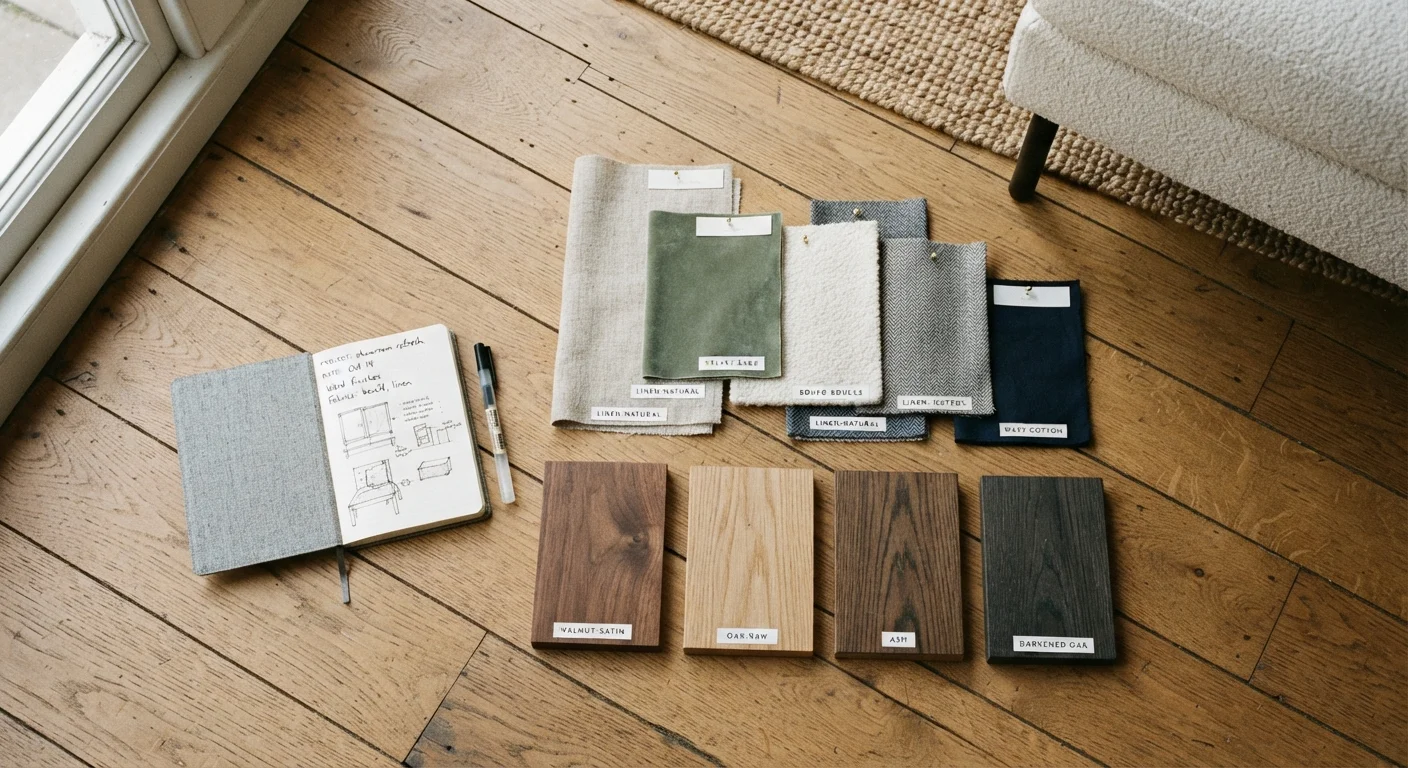
Photo: AnswersSquad.com | Explore Insightful Blogs editorial
Why Furniture Language Matters
Walk into any furniture store - or scroll through any product listing - and you'll hit terms like mortise-and-tenon, sinuous springs, or top-grain leather without much explanation. These aren't just marketing words. They describe construction quality, material choices, and long-term durability, and understanding them helps you evaluate whether a piece is worth its price tag.
This glossary is a quick-reference guide you can consult before you buy. Whether you're furnishing a first apartment or replacing a worn-out sofa, these definitions give you the vocabulary to ask better questions and avoid surprises. For a broader walkthrough of the entire furnishing process, see our end-to-end furnishing guide.
Dovetail Joint
A wood joinery method where interlocking wedge-shaped cuts hold two pieces together without fasteners. It's a sign of quality construction in drawers and case goods because it resists pulling apart under normal use.
Mortise-and-Tenon
A traditional woodworking joint where a projecting piece (tenon) fits into a cavity (mortise) cut into another piece. Common in chair and table frames, it creates a strong, long-lasting connection.
Sinuous Springs
S-shaped wire springs running front-to-back inside a sofa seat. They're widely used in mid-range upholstered furniture and provide reliable support, though they're generally considered less durable than eight-way hand-tied springs.
Eight-Way Hand-Tied Springs
A traditional and labor-intensive spring system where coil springs are tied in eight directions with twine. It distributes weight evenly and is associated with high-end upholstered seating.
Top-Grain Leather
The upper layer of a hide, sanded and finished for consistency. It's durable and more affordable than full-grain leather, though the sanding removes some of the hide's natural texture.
Bonded Leather
A composite material made from leftover leather scraps bonded to a backing with adhesive. It looks like leather but tends to peel and crack within a few years of regular use.
MDF (Medium-Density Fiberboard)
An engineered wood product made from compressed wood fibers and resin. It's smooth and takes paint well but is heavier than solid wood and can swell if exposed to moisture.
Case Goods
Furniture that provides storage and has a fixed structure - such as dressers, bookcases, and cabinets. The term distinguishes these pieces from upholstered furniture.
Kiln-Dried Wood
Lumber that has been dried in a controlled oven (kiln) to reduce moisture content. This process minimizes warping and cracking over time, making it a preferred material for quality furniture frames.
Welt (or Welt Cord)
A narrow trim sewn into the seams of upholstered furniture. It reinforces seams, gives cushions a finished edge, and is sometimes used as a decorative contrast detail.
Ottoman
A padded seat or footrest with no back or arms, often used alongside a chair or sofa. Some ottomans include hidden storage inside, making them a practical choice for smaller spaces.
Veneer
A thin layer of real wood applied over a less expensive substrate like MDF or plywood. High-quality veneer can be visually identical to solid wood and is structurally stable when well-made.
Key Facts at a Glance
Before diving into definitions, here's a snapshot of what you're working with when evaluating furniture construction and materials.
| Primary frame materials | Solid wood, engineered wood, metal, and plastic composites |
| Most durable upholstery fiber | Solution-dyed acrylic or tightly woven synthetic blends for high-traffic use |
| Typical sofa frame lifespan | 7-15 years depending on construction quality and use frequency |
| What 'assembly required' usually means | Flat-pack packaging; buyer assembles using included hardware and instructions |
| Rub count (abrasion test) | Double rubs measure fabric durability; 15,000+ is considered residential standard (Wyzenbeek abrasion test, industry standard) |
| Foam density indicator | Higher density foam (1.8 lb/ft³ and above) holds its shape longer in seat cushions |
If you're shopping online and running into deal-related terms you don't recognize, our e-commerce jargon glossary covers the platform-side vocabulary separately.
For a deeper look at wood categories specifically - including how engineered wood compares to solid wood in everyday use - our wood materials breakdown is a practical companion to this glossary.
Putting the Terms to Use
Once you know the vocabulary, you can read product descriptions more critically. A sofa listed as having sinuous spring suspension is a reasonable choice for everyday use; one with eight-way hand-tied springs indicates a higher level of construction that typically comes at a higher price. Neither is automatically wrong for your situation - it depends on your budget and how long you plan to keep the piece.
Similarly, knowing that bonded leather is a composite material rather than genuine hide lets you weigh the tradeoff: lower initial cost, but shorter lifespan. If you're budgeting carefully, understanding these distinctions helps you decide where to spend more and where to save. For strategies on managing the overall cost of furnishing, the Budgeting Basics hub offers practical frameworks worth reviewing before you commit to larger purchases.
Finally, if any of your furniture will be financed, brush up on how interest and credit terms work - the Credit & Debt hub is a good starting point for understanding what you're agreeing to before signing anything.
The content provided on our blog site traverses numerous categories, offering readers valuable and practical information. Readers can use the editorial team’s research and data to gain more insights into their topics of interest. However, they are requested not to treat the articles as conclusive. The website team cannot be held responsible for differences in data or inaccuracies found across other platforms. Please also note that the site might also miss out on various schemes and offers available that the readers may find more beneficial than the ones we cover.