
Keeping Moisture Out: Waterproofing and Drainage Fundamentals

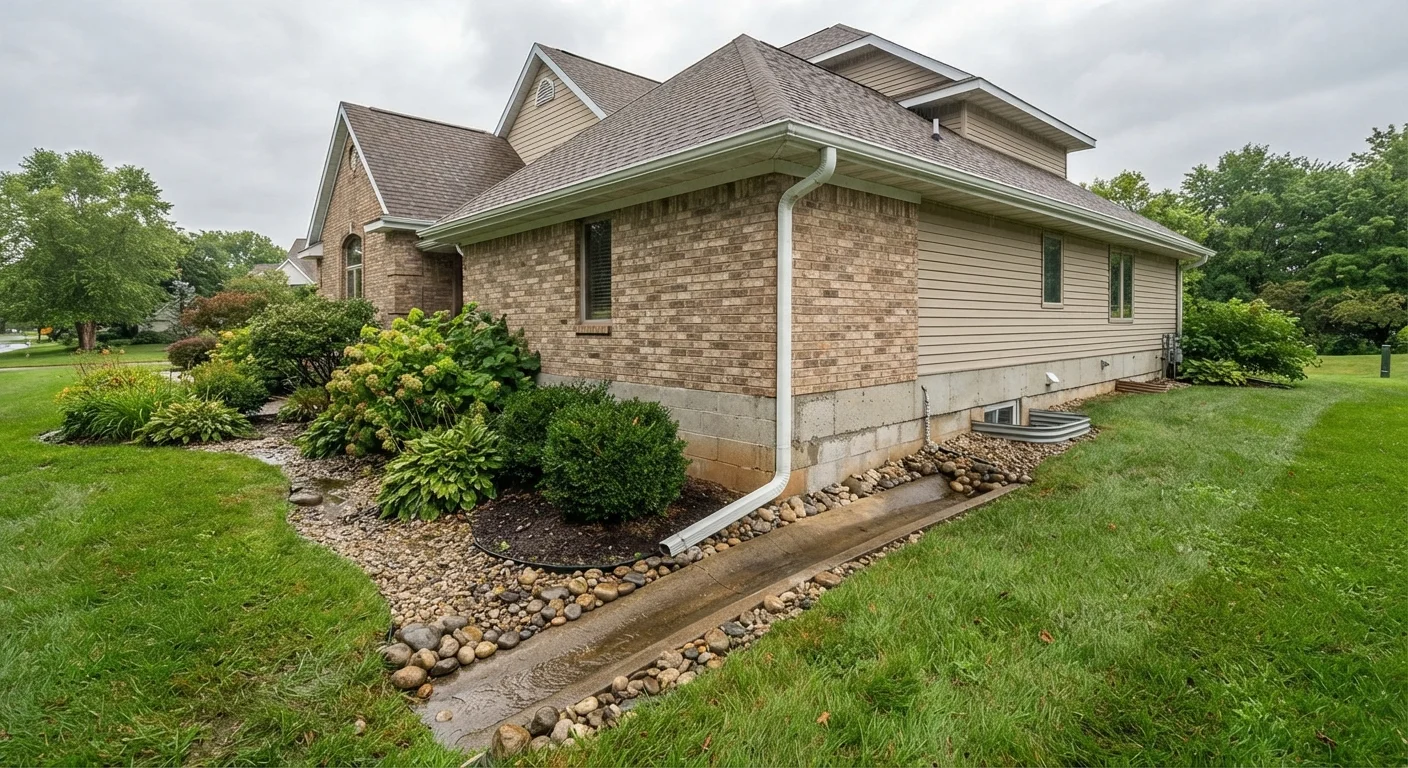
Photo: AnswersSquad.com | Explore Insightful Blogs editorial
Key Takeaways
- Water damage is largely preventable through regular inspection and simple drainage maintenance.
- Improper grading - soil sloping toward the foundation - is one of the most common causes of basement leaks.
- Gutters and downspouts are only effective when kept clean and properly extended away from the home.
- Surface-applied waterproofing sealers work for minor dampness; persistent water entry requires professional assessment.
- Crawl space moisture control protects both structural integrity and indoor air quality.
- Seasonal checks, ideally each spring and fall, catch problems before they become expensive repairs.
Why Water Intrusion Is a First-Year Priority
Water is patient. It will find any gap in your home's defenses - a low spot in the yard, a clogged gutter, an unsealed window frame - and work its way in over months or years before you notice the damage. For first-time homeowners, understanding moisture management early is one of the highest-return habits you can build.
Uncontrolled water intrusion can lead to mold growth, rotted framing, damaged insulation, and compromised foundations. These aren't just cosmetic problems; they affect structural integrity and indoor air quality. The good news is that most water damage is preventable with observation, basic maintenance, and timely action.
For a broader view of when to tackle these tasks throughout the year, see our First-Year Homeowner's Maintenance Calendar.
~98%
Basements experiencing water over their lifetime
According to the American Society of Home Inspectors, nearly all basements will experience some form of water intrusion over the life of the structure.
$10,000+
Average cost of foundation water damage repair
Industry estimates from home inspection organizations suggest foundation water damage repairs frequently range from several thousand to over ten thousand dollars depending on severity.
6 inches
Recommended grade drop away from foundation
Building codes and waterproofing standards generally recommend the ground slopes at least six inches downward within the first ten feet from the foundation wall.
Reading Your Home's Drainage Situation
Before you fix anything, spend time observing your property during and after a rainstorm. Look for standing water near the foundation, wet soil against basement walls, or water pooling at the base of downspouts. These are signals that drainage is either absent or not functioning correctly.
Walk the perimeter of your home and check the grade - the slope of the soil and landscaping around the foundation. Properly graded ground slopes away from the house, ideally dropping at least six inches over the first ten feet. Soil that slopes toward the house funnels rainwater directly against the foundation wall, where it creates hydrostatic pressure and eventually finds cracks to enter through.
Inside, check your basement or crawl space walls for efflorescence - the white, powdery mineral deposits left behind when water migrates through concrete or block and then evaporates. This is a reliable indicator of water movement through the wall, even if the surface currently feels dry. Cracks in walls and floors can also be a symptom; our guide on reading cracks in walls and floors helps you distinguish cosmetic issues from structural concerns.
Gutters, Downspouts, and Surface Grading
Your gutter system is designed to collect roof runoff and channel it safely away from the foundation. When gutters are clogged with leaves and debris, water overflows directly against the house - defeating the entire system. Clean gutters at least twice a year, and inspect them after major storms.
- Downspout extensions: Downspouts should discharge water at least four to six feet from the foundation. Short or missing extensions are a common culprit in basement dampness. Flexible plastic extensions are inexpensive and easy to attach.
- Slope correction: If your soil grade has settled toward the house over time, adding topsoil and re-sloping the area is a manageable DIY task for most homeowners. Avoid using mulch right against the foundation, as it retains moisture.
- Window well drains: Basement egress windows should have window wells filled with gravel and, ideally, a small drain at the bottom. A clogged or absent drain turns a window well into a water reservoir during heavy rain.
For complementary guidance on how exterior surfaces interact with weather, see our article on maintaining a home's exterior.
Run a hose along your roofline for 10-15 minutes and have someone watch from inside the basement. This simple test often reveals gutter overflow points or downspout routing problems that aren't visible during a dry inspection.
When adding topsoil to correct grading, use dense fill soil rather than topsoil or mulch - porous materials absorb and hold water rather than shedding it away from the house.
Basement and Crawl Space Waterproofing Basics
Waterproofing is not one single solution - it's a layered approach. The right strategy depends on the source of your moisture problem.
Interior Sealers
Masonry waterproofing paints and crystalline sealers can reduce minor seepage through poured concrete or block walls. These products are applied to interior wall surfaces and work by filling microscopic pores. They are appropriate for walls with slight dampness but will not hold back active water flow or address structural cracks.
Exterior Waterproofing
True exterior waterproofing involves excavating around the foundation, applying a waterproof membrane or coating to the outside of the wall, and installing drainage board and a French drain (a perforated pipe in gravel) to redirect groundwater. This is highly effective but is a significant project that requires licensed contractors and, in most jurisdictions, permits. Do not attempt exterior waterproofing excavation near a foundation without professional guidance.
Crawl Space Moisture Control
In crawl spaces, ground moisture can evaporate upward into the living areas above, contributing to mold, wood rot, and poor air quality. A vapor barrier - a thick polyethylene sheet laid over the soil floor - is a common and effective first step. Ensuring the crawl space is adequately vented (or, in some climates, intentionally sealed and conditioned) also matters. Consult a professional if you find standing water, visible mold, or soft/discolored floor joists.
When to Call a Professional
Some moisture problems are genuinely DIY-manageable. Others require a licensed waterproofing contractor, structural engineer, or both. Here's how to tell the difference:
Do Not Ignore Active Water Entry
- Call a professional if: you see active water entering through floor-wall joints, cracks are wide enough to insert a credit card into, there is visible mold covering a large area, or the floor joists or sill plates feel soft when pressed.
- A DIY approach may be reasonable if: you have surface efflorescence on dry walls, minor seepage through a small hairline crack, or a simple grading or gutter problem with no sign of structural impact.
Any work that involves excavating near the foundation, breaking through concrete, or installing interior drain tile systems should be handled by licensed professionals and may require local permits. Always check with your local building department before starting significant waterproofing work.
Water management also intersects with your home's plumbing system. Our plumbing basics guide covers how interior supply and drain systems work, which matters if you're trying to isolate whether a wet area originates outside or from a pipe leak.
Building a Moisture-Management Routine
Consistent observation is the most effective waterproofing tool available to a homeowner. Work these checks into your seasonal maintenance routine:
- Spring: Inspect foundation perimeter after snowmelt and spring rains. Clean gutters and verify downspout extensions are in place. Check basement walls and crawl space for new staining or efflorescence.
- Summer: Regrade any soil that has settled toward the house. Inspect window well drains and clear any debris.
- Fall: Clean gutters again after leaves drop. Inspect sump pump (if present) by pouring water into the pit to confirm the float trigger activates. Ensure all exterior grading is stable before ground freezes.
- After major storms: Walk the perimeter within 24 hours to spot new pooling or erosion patterns.
For a complete month-by-month schedule that incorporates these checks alongside other home systems, refer to our seasonal maintenance task guide. Moisture management doesn't demand advanced skills - it demands consistency.
The content provided on our blog site traverses numerous categories, offering readers valuable and practical information. Readers can use the editorial team’s research and data to gain more insights into their topics of interest. However, they are requested not to treat the articles as conclusive. The website team cannot be held responsible for differences in data or inaccuracies found across other platforms. Please also note that the site might also miss out on various schemes and offers available that the readers may find more beneficial than the ones we cover.