
Cashback vs. Coupons: Which Actually Saves You More Over Time

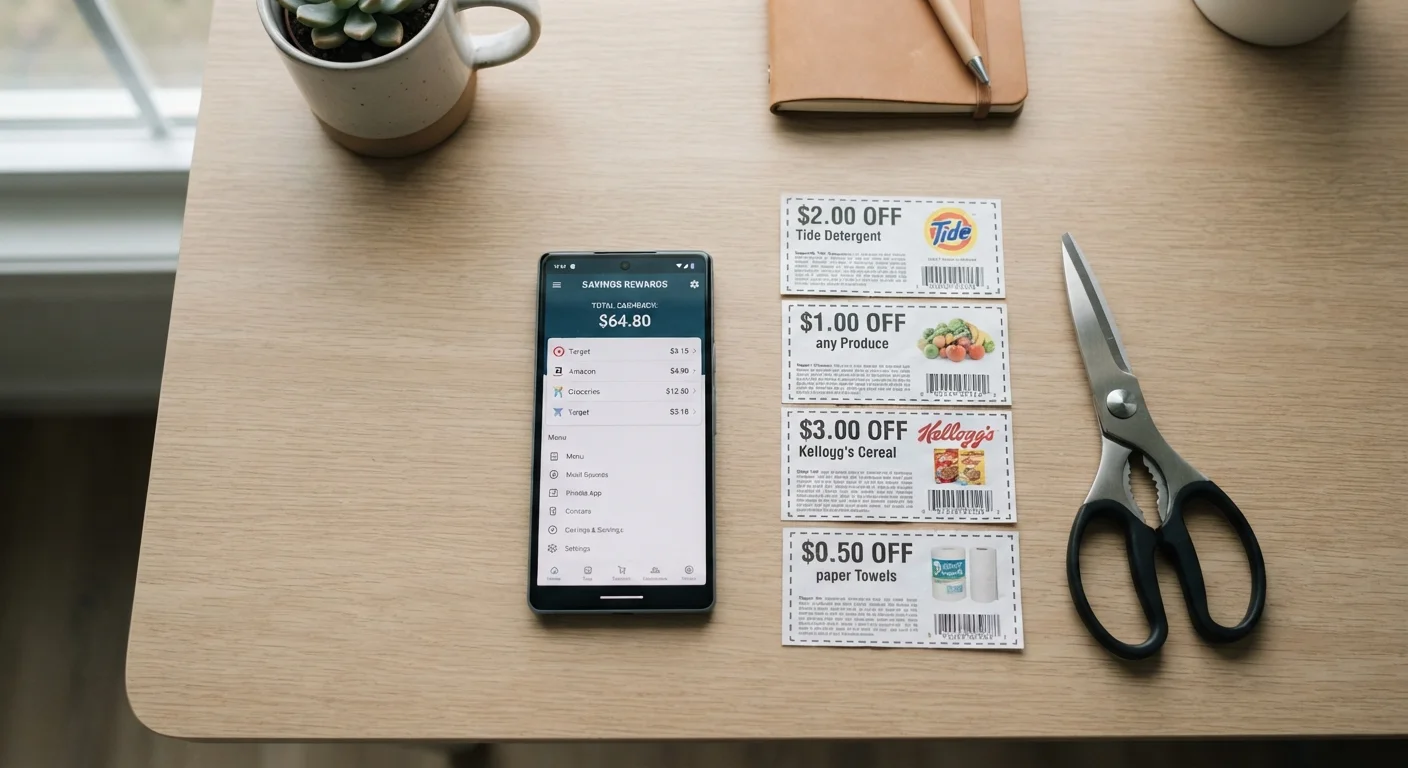
Photo: AnswersSquad.com | Explore Insightful Blogs editorial
Key Takeaways
- Cashback returns a percentage of what you already spend, requiring little active effort per transaction.
- Coupons deliver upfront price reductions but require intentional searching and timing to use effectively.
- Neither method guarantees savings if it changes your spending behavior — only spend what you planned to.
- Combining both methods is often possible and can compound savings on the same purchase.
- Your shopping frequency and category mix will largely determine which approach yields more over time.
How Each Method Actually Works
Cashback returns a percentage of your purchase price after the transaction completes. You might earn 1–5% back on a purchase through a credit card reward program, a dedicated cashback portal, or a browser extension. The money typically lands in an account or statement credit after a delay — sometimes days, sometimes weeks. The key mechanic: you spend first, recover a fraction later.
Coupons work in the opposite direction. They reduce the price you pay at checkout, either as a flat dollar amount or a percentage off. Digital coupons may auto-apply at checkout, while physical or printable coupons require you to locate, collect, and present them. The savings are immediate and visible, which is psychologically satisfying — but the effort required is higher per purchase.
For a broader foundation on how these tools fit into a larger savings strategy, see our guide to deal-finding for beginners.
| Criterion | Cashback | Coupons |
|---|---|---|
| When savings appear | After purchase (delayed) | At checkout (immediate) |
| Effort required | Low — often automatic | Medium to high — active search |
| Typical discount depth | 1–10% of purchase price | Fixed amount or 10–50% off |
| Works across categories | Broadly, with some exclusions | Category- or item-specific |
| Can be stacked with other savings | Often yes | Sometimes, with restrictions |
| Risk of influencing overspending | Lower | Higher (deal-driven purchases) |
Where Each Approach Has the Edge
Cashback's main advantage is its passivity. Once you've set up a portal or activated a card's rewards program, it applies broadly without extra steps on your end. Over time, consistent cashback on regular purchases — groceries, fuel, subscriptions — compounds into meaningful returns. The downside: percentage rates are modest, and you only earn on what you spend, so it doesn't protect against overpaying in the first place.
Coupons can deliver steeper discounts per item, particularly in grocery and household goods categories where manufacturer coupons are common. A 30% coupon on an item you were already buying beats a 3% cashback return every time. However, coupons require active management: finding them, checking expiration dates, understanding exclusions, and applying them correctly. Missed coupons are money left on the table.
~$1,800
Average annual household coupon savings potential
Figures from RetailMeNot consumer research have suggested households that actively use coupons can reduce annual spending meaningfully, though results vary by usage habits and categories.
1–5%
Typical cashback rate range on purchases
Most cashback credit cards and browser-based programs return between 1% and 5% depending on the spending category and program structure.
One underappreciated edge coupons have: they can prompt price awareness. When you're actively searching for a discount on a specific item, you're also more likely to notice the base price variation across retailers — a habit that supports better long-term spending decisions, as explored in our piece on the real difference between price and value.
Stacking Both and Knowing the Limits
The good news: cashback and coupons aren't mutually exclusive. On many purchases, you can apply a coupon to reduce the item's price and still earn cashback on the discounted total. Some cashback portals even allow stacking with store coupons, though retailer-specific rules vary and are worth checking before assuming both will apply.
Browser extensions that automate coupon finding can work simultaneously with cashback portals, though conflicts occasionally arise — particularly when two extensions compete for the same checkout session. Our overview of shopping browser extensions walks through how these tools interact and what to watch for.
One firm caution applies equally to both methods: neither saves you money if it causes you to buy something you wouldn't have otherwise purchased. A 20% coupon on a non-essential item isn't savings — it's a 80% expense. Evaluate deals against what you planned to buy, not what the discount makes feel like a bargain. For a deeper look at how stacking strategies work across portals and rewards systems, see our guide to stacking discounts.
This article is for general informational and educational purposes only and does not constitute personalised financial advice. Consult a qualified financial professional for guidance specific to your situation.
The content provided on our blog site traverses numerous categories, offering readers valuable and practical information. Readers can use the editorial team’s research and data to gain more insights into their topics of interest. However, they are requested not to treat the articles as conclusive. The website team cannot be held responsible for differences in data or inaccuracies found across other platforms. Please also note that the site might also miss out on various schemes and offers available that the readers may find more beneficial than the ones we cover.