
Email Lists, Loyalty Programmes, and Member Pricing: A Trade-Off Worth Understanding

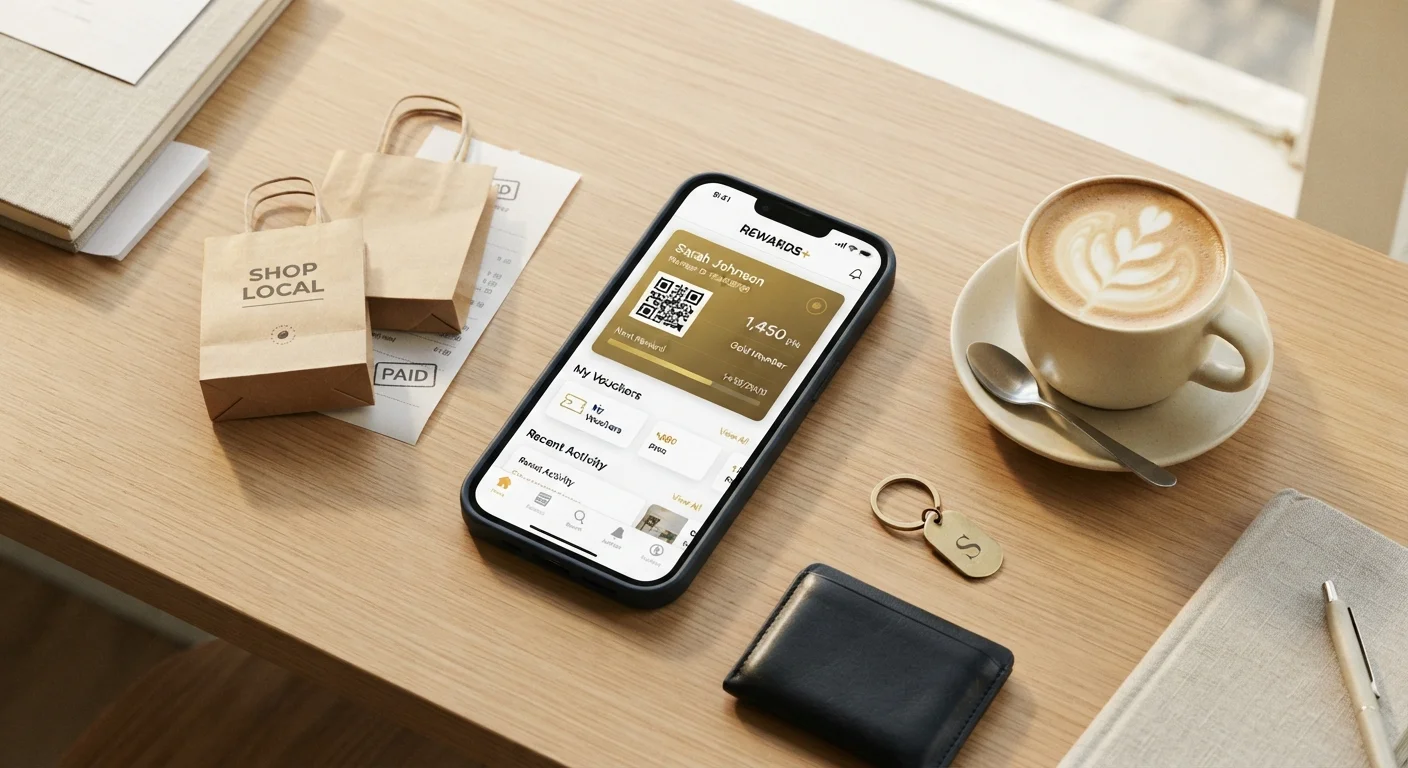
Photo: AnswersSquad.com | Explore Insightful Blogs editorial
Key Takeaways
- Retailer email lists and loyalty programmes can generate real savings, but they also carry privacy and behavioural costs.
- Member pricing is often genuine, but it can also encourage purchases you wouldn't otherwise make.
- Your personal data — purchase history, browsing habits, location — is the currency you exchange for discounts.
- A dedicated email address and selective sign-ups can help you extract value without inbox overwhelm.
- The best loyalty programmes reward purchases you were already going to make, not ones they nudged you toward.
Access to genuine member-only pricing
Many retailers maintain a consistent price gap between members and non-members on regularly purchased goods. For staples bought frequently, this gap adds up over time without requiring any change in shopping behaviour.
Early access to sales and high-demand items
Email subscribers often receive sale notifications 24–48 hours before the general public, which is a meaningful advantage when popular items sell out quickly during clearance or seasonal events.
Passive cashback or points on planned spending
When a loyalty programme rewards purchases you would have made anyway, it functions as a small return on spending at no additional cost. The value is real as long as spending behaviour doesn't change.
Welcome offers with immediate redemption value
Sign-up incentives — such as a percentage off a first order — can provide immediate savings on a purchase already in progress, making the initial sign-up straightforwardly worthwhile even if you don't stay subscribed long-term.
Your purchase and browsing data is shared broadly
Loyalty programme terms typically allow retailers to share behavioural data with advertising partners. This can result in targeted advertising that follows you across platforms, often based on detailed purchase history.
Programmes are designed to increase spending frequency
Point expiry dates, tier thresholds, and 'nearly there' progress notifications are deliberate design choices that nudge members to spend more and sooner than they otherwise would.
Inbox volume creates decision fatigue
Regular promotional emails increase the number of spending opportunities you're exposed to each week. Research consistently links higher exposure to retail marketing with higher unplanned purchase rates.
Member pricing isn't always the market low
A 'member price' is only a saving relative to that retailer's own public price. A quick comparison check often reveals that non-member prices at competing retailers are equal to or lower than the member rate.
Programme value can erode without notice
Retailers can change reward structures, reduce point values, or introduce new redemption restrictions at any time. Points accumulated over months may be worth less when you go to use them.
What You're Actually Signing Up For
When a retailer invites you to join their loyalty programme or subscribe to their emails, the pitch is straightforward: give us your contact details and we'll give you access to member pricing, early sales, and exclusive offers. What's less visible is the second half of that exchange.
Retailers collect your purchase history, browsing behaviour, location data (where applicable), and demographic information. This data is used to personalise offers, forecast demand, and — in many cases — shared with third-party advertising partners. Before signing up, it's worth understanding that the discount isn't free; it's paid for with behavioural data.
That's not necessarily a reason to avoid these programmes. But it is a reason to be deliberate about which ones you join, what you agree to in the terms, and whether the value exchange actually favours you. For a broader look at evaluating whether a deal is genuinely worth taking, see how to assess deals critically.
The Real Advantages
Done right, loyalty memberships and email lists offer concrete financial benefits — not theoretical ones.
Access to genuine member-only pricing
Many retailers maintain a consistent price gap between members and non-members on regularly purchased goods. For staples bought frequently, this gap adds up over time without requiring any change in shopping behaviour.
Early access to sales and high-demand items
Email subscribers often receive sale notifications 24–48 hours before the general public, which is a meaningful advantage when popular items sell out quickly during clearance or seasonal events.
Passive cashback or points on planned spending
When a loyalty programme rewards purchases you would have made anyway, it functions as a small return on spending at no additional cost. The value is real as long as spending behaviour doesn't change.
Welcome offers with immediate redemption value
Sign-up incentives — such as a percentage off a first order — can provide immediate savings on a purchase already in progress, making the initial sign-up straightforwardly worthwhile even if you don't stay subscribed long-term.
The most straightforward win is access to member-only pricing that genuinely undercuts the public rate. Many retailers maintain a visible price gap between logged-in members and casual visitors, particularly on frequently purchased goods like groceries, household staples, and health products. If you're buying those items anyway, the savings are additive without requiring any change in behaviour.
Email subscribers also tend to receive early access to sale events, which matters most for high-demand items that sell out quickly. A 24-hour head start on a seasonal clearance is a practical advantage, not just marketing language.
Points and cashback programmes, when used on purchases you'd make regardless, represent a form of passive return on spending. The key phrase is purchases you'd make regardless — the moment a programme starts influencing what you buy, the calculus changes.
The Costs and Risks
The disadvantages are real and often underestimated, particularly for shoppers who haven't thought carefully about how these programmes work.
Your purchase and browsing data is shared broadly
Loyalty programme terms typically allow retailers to share behavioural data with advertising partners. This can result in targeted advertising that follows you across platforms, often based on detailed purchase history.
Programmes are designed to increase spending frequency
Point expiry dates, tier thresholds, and 'nearly there' progress notifications are deliberate design choices that nudge members to spend more and sooner than they otherwise would.
Inbox volume creates decision fatigue
Regular promotional emails increase the number of spending opportunities you're exposed to each week. Research consistently links higher exposure to retail marketing with higher unplanned purchase rates.
Member pricing isn't always the market low
A 'member price' is only a saving relative to that retailer's own public price. A quick comparison check often reveals that non-member prices at competing retailers are equal to or lower than the member rate.
Programme value can erode without notice
Retailers can change reward structures, reduce point values, or introduce new redemption restrictions at any time. Points accumulated over months may be worth less when you go to use them.
Perhaps the most financially significant risk is what behavioural economists call the licensing effect: earning points or feeling like a member can create a subtle psychological permission to spend more than planned. Retailers understand this well — programme structures are deliberately designed to encourage return visits and incremental purchases.
This is closely related to the subscription creep problem, where small recurring commitments accumulate into significant monthly spend before you notice. Loyalty programmes aren't subscriptions, but the same drift dynamic applies.
Your Data Rights Vary by State
How to Structure Your Sign-Ups Strategically
The practical answer isn't to avoid these programmes entirely — it's to use them with clear criteria.
Use a dedicated email address. Create a separate inbox solely for retailer communications. This keeps your primary inbox clean, makes it easy to batch-process promotional emails once a week, and means you're engaging on your schedule, not theirs.
Join programmes only for retailers you already use regularly. A loyalty programme is worth maintaining if you'd shop there anyway. If you're signing up because the programme sounds good, the retailer has already won — they've created a reason for you to visit that didn't previously exist.
Audit your memberships periodically. If you haven't redeemed anything in six months, the programme isn't serving you. Unsubscribe, close the account where possible, and reduce your data footprint.
Compare member pricing against alternatives. Member pricing is only a saving if it's genuinely lower than what you'd pay elsewhere. A quick price check against other retailers takes 30 seconds and can reveal when a member discount is mostly cosmetic.
For a full framework on building consistent savings habits, the deal-finding beginner's guide covers the core tools that actually move the needle. If you prefer automated approaches, browser extensions that work while you shop offer a different model for capturing savings without inbox management.
~80%
US adults enrolled in at least one loyalty programme
According to Bond Brand Loyalty research, the vast majority of American consumers belong to at least one retail loyalty scheme, though active engagement rates are considerably lower.
~50%
Loyalty programme memberships that go unused
Industry analyses have consistently found that roughly half of all loyalty memberships are inactive in a given year, meaning members collect no points and redeem nothing.
The content provided on our blog site traverses numerous categories, offering readers valuable and practical information. Readers can use the editorial team’s research and data to gain more insights into their topics of interest. However, they are requested not to treat the articles as conclusive. The website team cannot be held responsible for differences in data or inaccuracies found across other platforms. Please also note that the site might also miss out on various schemes and offers available that the readers may find more beneficial than the ones we cover.