
Subscription Creep and How It Quietly Inflates Your Monthly Spend

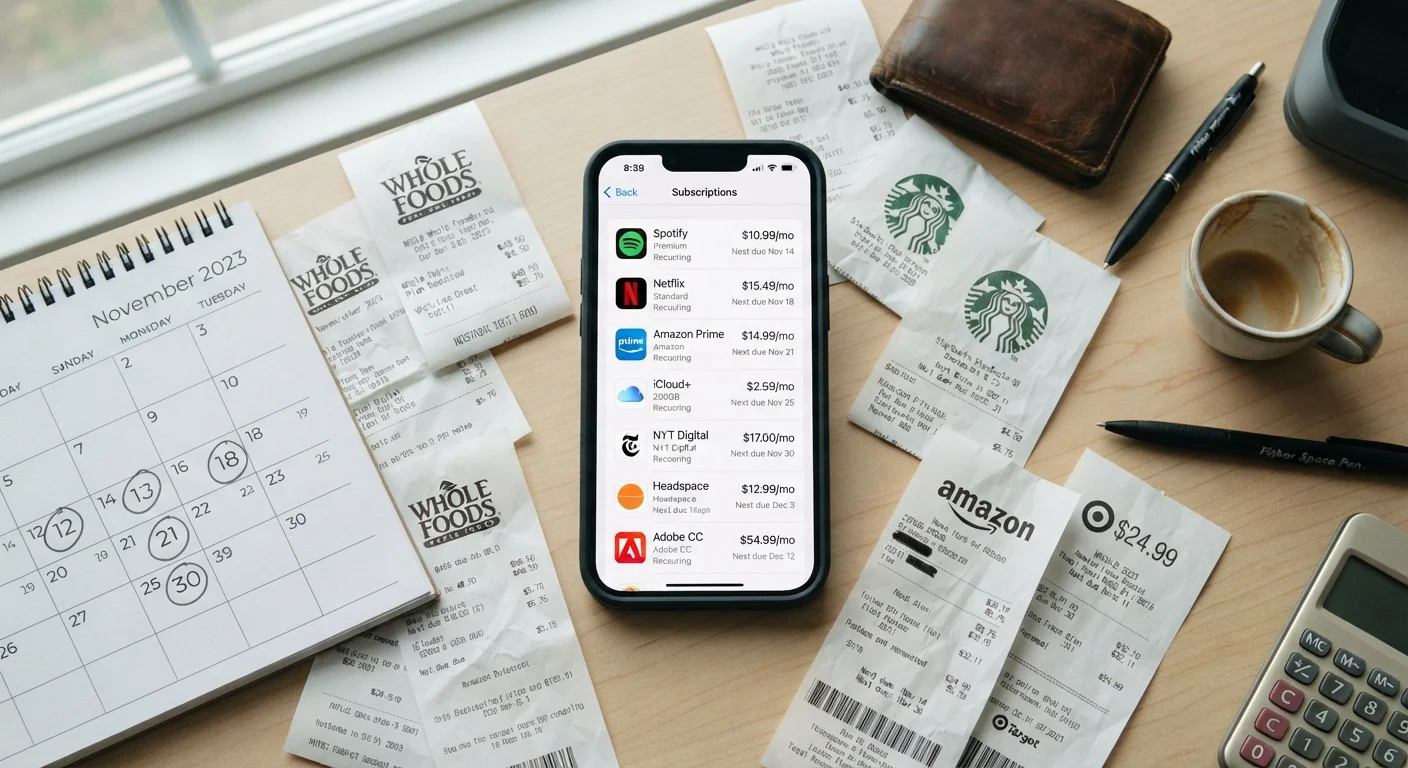
Photo: AnswersSquad.com | Explore Insightful Blogs editorial
Key Takeaways
- Subscription creep happens gradually — most people underestimate their total recurring spend by 30–40%.
- Free trials that auto-convert to paid plans are among the most common sources of forgotten charges.
- A monthly audit of your bank and card statements is the most reliable way to catch unwanted subscriptions.
- Paying annually for subscriptions you don't regularly use often costs more than monthly billing would.
- Consolidating or cancelling low-use subscriptions can free up meaningful budget for higher-priority goals.
What Subscription Creep Actually Looks Like
Subscription creep isn't a single bad decision — it's the slow accumulation of many small ones. A streaming service here, a cloud storage upgrade there, a fitness app you downloaded during a resolution week. Each charge is minor enough to ignore individually. Collectively, they can represent a significant slice of your take-home pay.
Unlike a one-time purchase, recurring charges require zero effort to keep paying. That's by design. The business model relies on inertia: as long as cancellation is slightly inconvenient, a meaningful share of subscribers will simply not get around to it. Understanding that dynamic is the first step to working against it rather than with it.
The same pattern shows up in other areas of personal finance — car running costs that catch first-time owners off guard follow the same logic: individually small, collectively significant. Recognising the pattern helps you address it across your entire budget, not just your app subscriptions.
~$91/mo
Average US consumer subscription spend
Research by C+R Research found the average American spends around $91 per month on subscription services — far more than most people estimate when asked.
2–3x
How much people underestimate their subscription costs
The same C+R Research study found consumers typically underestimate their monthly subscription spend by a factor of two to three compared to their actual charges.
The Most Common Mistakes — and How to Fix Them
Most overspending on subscriptions isn't reckless — it's the result of a few repeatable, understandable errors. The good news is that each one has a practical fix that doesn't require willpower or sacrifice.
Signing up for free trials and forgetting to cancel before the billing date.
Never auditing existing subscriptions against actual usage.
Sharing login credentials instead of using family or group plans properly.
Paying for the premium tier of a service when the free or basic version is sufficient.
Treating subscriptions as fixed, non-negotiable expenses in a personal budget.
Recurring Charges Don't Cancel Themselves
Building a System That Keeps Subscriptions in Check
One-time audits are useful, but a lightweight ongoing system prevents the problem from rebuilding itself. Start by keeping a simple list — a spreadsheet or notes app works fine — of every active subscription, its monthly cost, its renewal date, and the last time you actually used it. Review the list monthly alongside your bank statement.
When a subscription comes up for annual renewal, treat it like a new purchase decision. Ask whether you'd sign up today at that price. If the answer is no, cancel before the renewal date rather than after.
Annual Plans Can Lock In Wasted Spend
For a more structured approach, sinking funds can help you plan for annual subscription renewals the same way you'd plan for irregular car expenses — by setting aside a small amount each month rather than absorbing the full charge at once. Pairing that with a solid budgeting framework makes it easier to see subscriptions as a managed category rather than a mystery line item.
Finally, be thoughtful about loyalty schemes and retailer memberships. They can offer genuine value, but they also tend to encourage more spending to 'get your money's worth.' The trade-offs of member pricing and email lists are worth understanding before you sign up for another recurring commitment.
This article is for general informational purposes only and does not constitute personalised financial advice. Consider consulting a qualified financial professional for guidance tailored to your specific circumstances.
The content provided on our blog site traverses numerous categories, offering readers valuable and practical information. Readers can use the editorial team’s research and data to gain more insights into their topics of interest. However, they are requested not to treat the articles as conclusive. The website team cannot be held responsible for differences in data or inaccuracies found across other platforms. Please also note that the site might also miss out on various schemes and offers available that the readers may find more beneficial than the ones we cover.