
Unit Pricing, Cost-Per-Use, and Other Metrics That Actually Matter

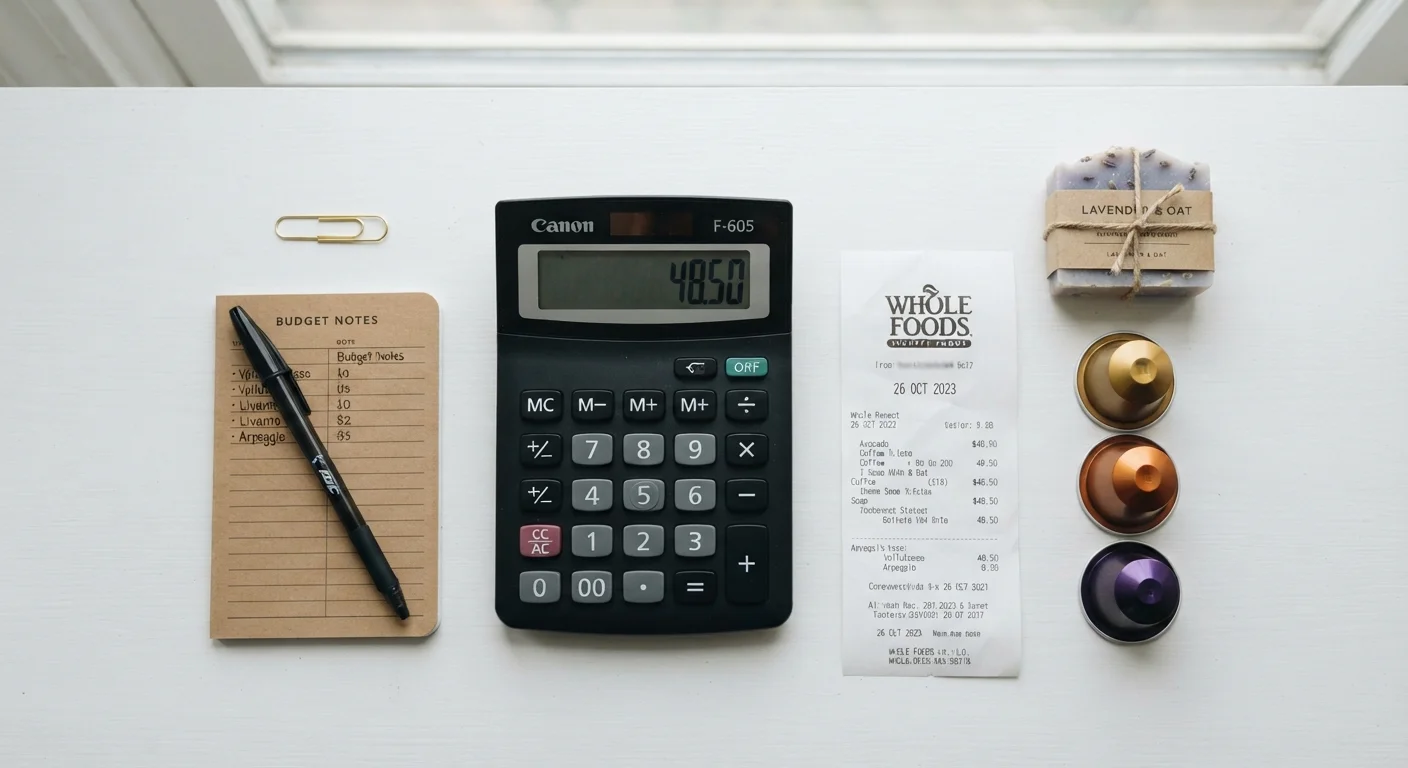
Photo: AnswersSquad.com | Explore Insightful Blogs editorial
Why Sticker Price Is the Wrong Starting Point
When you're comparing two products, the number on the price tag is only the beginning of the math. A $12 bottle of detergent and a $7 bottle aren't obviously different in value — until you check how many loads each one washes. At that point, the "cheaper" option might actually cost you more per use. This is the core problem with sticker-price thinking: it treats all quantities, lifespans, and use cases as equal when they're almost never are.
Smarter shoppers use a small set of metrics that normalize price against actual utility. These metrics won't replace judgment, but they cut through packaging tricks, bulk-buying pressure, and misleading sale framing. If you've ever wondered whether a warehouse pack is genuinely cheaper or just bigger, this reference has the answers.
For a broader view of how price relates to value, see The Real Difference Between Price and Value.
| Unit Price Required by Law | Many U.S. states mandate shelf unit pricing for grocery and drug stores (Requirements vary by state; check your state's consumer protection office) |
| Most Useful Metric for Consumables | Unit price (price per oz, count, or ml) |
| Most Useful Metric for Durables | Cost per use (purchase price ÷ estimated uses) |
| Most Useful Metric for High-Ownership-Cost Items | Total cost of ownership (TCO) over a defined period |
| Common Trap | Bulk pricing appears cheaper per unit but expires before use |
| Price Per Serving Used For | Food and beverages — accounts for serving size, not just package volume |
The Core Metrics Explained
Unit Price
Formula: Total price ÷ number of units (oz, count, ml, sq ft, etc.)
Unit pricing is the most widely used comparison tool and is legally required to be displayed on shelf labels in many U.S. states. It levels the field when two versions of the same product are sold in different sizes. Always confirm the unit being used — price per ounce and price per item are completely different calculations and can't be compared directly.
Cost Per Use
Formula: Total price ÷ estimated number of uses
This is unit pricing's more useful cousin for durable goods. A $40 water bottle you use daily for three years has a cost per use well under two cents. A $10 bottle that falls apart in four months doesn't. Cost per use makes lifespan part of the equation, which matters most for clothing, electronics, tools, and kitchen items. Why Cheap Upfront Often Costs More Over Time explores this dynamic in depth.
Total Cost of Ownership (TCO)
Formula: Purchase price + recurring costs (maintenance, consumables, subscriptions, repairs) over a defined period
TCO is essential for anything that generates ongoing expenses after you buy it — appliances, vehicles, printers, and software all qualify. A printer with a low upfront price but expensive ink cartridges can cost significantly more over two years than a pricier model with efficient ink use. The same logic applies to cars: see The True Cost of Owning a Car Beyond the Sticker Price for a detailed breakdown.
Price Per Serving
Formula: Total price ÷ number of servings
Used mainly for food and beverages, this metric accounts for serving size listed on the label — not just the package volume. Two protein bars may have identical unit prices by weight, but if one serving is 30g and the other is 60g, you're only getting half as much usable product per dollar from the larger-serving option.
Unit Price
The price of a product divided by the quantity in a standard unit of measurement (ounce, count, liter, etc.). Used to compare products sold in different package sizes.
Cost Per Use
The total purchase price divided by how many times you expect to use the item over its lifespan. Most relevant for durable goods like clothing, tools, and electronics.
Total Cost of Ownership (TCO)
The sum of the purchase price plus all recurring costs — maintenance, consumables, repairs, subscriptions — over a set time period. Essential for evaluating items with ongoing expenses.
Price Per Serving
The total price of a food or beverage item divided by the number of servings, as defined by the product's nutrition label. Accounts for serving size differences between products.
Denominator Switching
A retail practice where unit pricing uses different base units across similar products (e.g., per ounce vs. per item), making direct price comparisons difficult for consumers.
Applying These Metrics Without Overthinking It
You don't need a spreadsheet for every purchase. A general rule of thumb: use unit price for consumables you repurchase regularly (cleaning supplies, food staples, personal care), cost per use for items you buy once and use repeatedly, and TCO whenever there's an ongoing cost attached to ownership.
A few practical notes:
- Bulk isn't always cheaper. Warehouse-sized packages can have a lower unit price but a higher TCO if the product expires before you finish it, or if storage costs money.
- Sales distort unit pricing. Always check whether the "sale" price reflects a genuine reduction from a stable historical price. Price tracking tools can help you verify this for online purchases.
- Brand premiums require scrutiny. For many product categories, the unit price gap between a name brand and a store brand isn't matched by a quality gap. Generic vs. Branded covers where that premium is and isn't justified.
- Metrics work best with consistent units. If you're comparing across retailers, confirm that price-per-ounce and price-per-count comparisons are using the same denominator. Retailers occasionally switch units between package sizes to make comparison harder.
When Metrics Don't Tell the Whole Story
Once you're comfortable with these metrics, you can apply them quickly with mental math — often in under 30 seconds per comparison. The goal isn't perfection; it's making an informed choice rather than a reflexive one based on whichever number looks lowest at first glance. For further context on evaluating deals in the moment, see The Anatomy of an Online Deal.
The content provided on our blog site traverses numerous categories, offering readers valuable and practical information. Readers can use the editorial team’s research and data to gain more insights into their topics of interest. However, they are requested not to treat the articles as conclusive. The website team cannot be held responsible for differences in data or inaccuracies found across other platforms. Please also note that the site might also miss out on various schemes and offers available that the readers may find more beneficial than the ones we cover.