
Fuel Costs Over Time: How Engine Size and Driving Habits Add Up

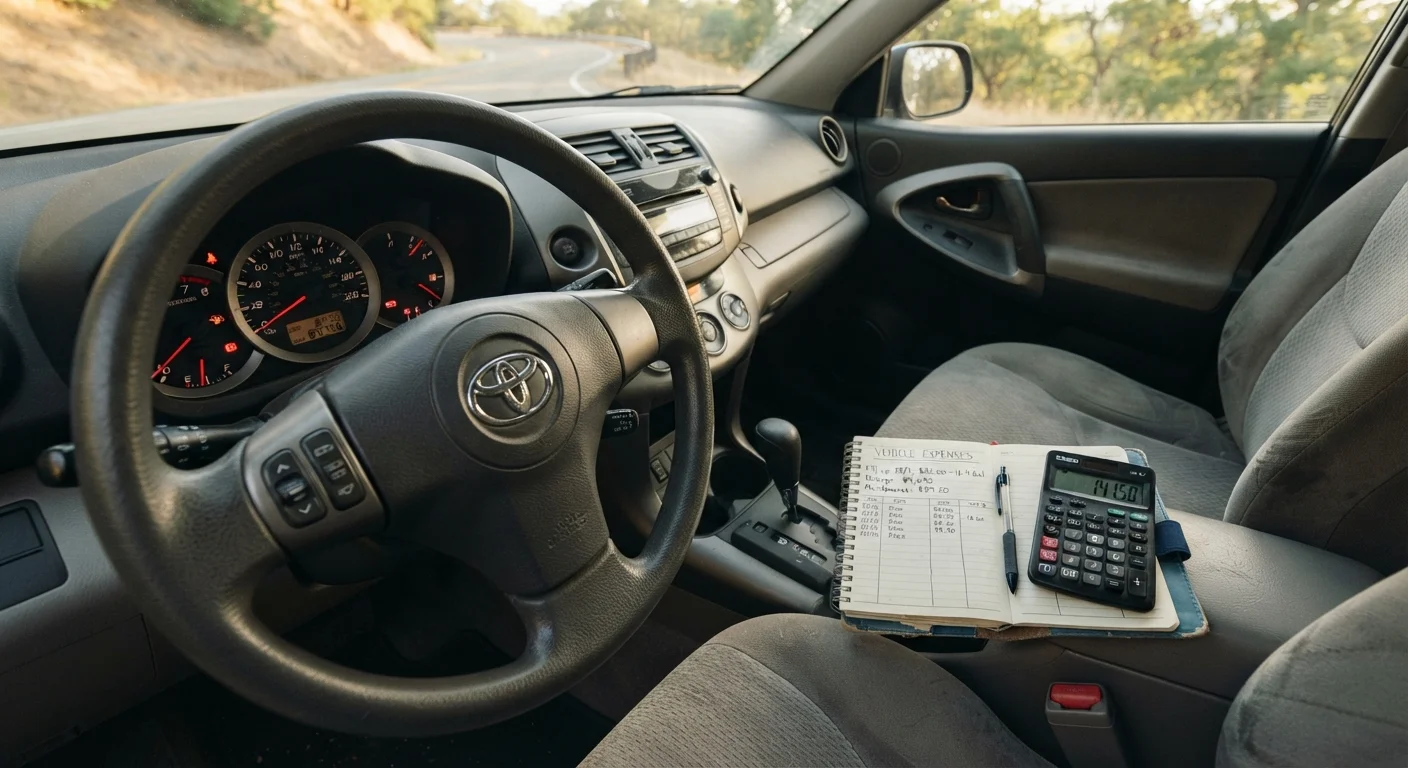
Photo: AnswersSquad.com | Explore Insightful Blogs editorial
Key Takeaways
- Engine size is one of the biggest factors in how much fuel your car consumes per mile.
- Annual fuel cost depends on both MPG and how many miles you drive each year.
- A difference of just 10 MPG can mean $600 or more in extra fuel costs annually at average gas prices.
- Driving habits like aggressive acceleration and highway speeds significantly affect real-world fuel economy.
- Estimating your fuel spend before buying a car helps you budget more accurately for total ownership costs.
- Fuel costs are one of the most controllable ongoing car expenses once you understand what drives them.
Why Engine Size Has Such a Big Impact on Your Fuel Bill
When car shoppers compare vehicles, engine size often comes up as a measure of power - but it is equally important as a measure of ongoing cost. An engine's displacement (measured in liters, like 1.5L or 3.5L) describes how much air and fuel it moves through its cylinders with each cycle. Larger displacement generally means more fuel burned per mile.
A compact sedan with a 1.5L turbocharged four-cylinder engine might achieve 32 combined MPG, while a mid-size SUV with a 3.5L V6 might return 22 MPG. That 10 MPG gap sounds modest, but consider the math over a full year of driving:
- 12,000 miles at 32 MPG: roughly 375 gallons consumed
- 12,000 miles at 22 MPG: roughly 545 gallons consumed
At $3.50 per gallon, that is approximately $595 more per year for the less efficient vehicle - and nearly $3,000 more over five years. This is why fuel economy belongs in your budget calculation before you sign any paperwork. See how fuel costs fit into the bigger picture in our guide to the true cost of owning a car.
~$595
Extra annual fuel cost per 10 MPG difference
Based on 12,000 miles driven at $3.50/gallon - a difference of 10 MPG (e.g., 22 vs. 32 MPG combined) produces this approximate annual gap.
10-20%
Real-world MPG below EPA rating
The U.S. EPA acknowledges that actual fuel economy often falls 10-20% below standardized test ratings due to real-world driving conditions.
Up to 30%
Fuel economy impact from driving behavior
The U.S. Department of Energy estimates aggressive driving - hard acceleration and braking - can lower fuel economy by 15-30% on the highway.
14,000
Average miles driven per year (U.S.)
According to the Federal Highway Administration, the average American driver logs approximately 14,000 miles annually - the baseline for meaningful fuel cost estimates.
How Your Driving Habits Shape Real-World Fuel Costs
The EPA fuel economy rating on a vehicle's window sticker is measured under standardized laboratory conditions. Your actual mileage will vary - and often considerably. Driving behavior is one of the biggest variables between the label and reality.
Here are the habits that drain fuel efficiency most:
- Hard acceleration: Flooring the gas pedal forces the engine to inject extra fuel rapidly. Gradual, smooth acceleration uses significantly less.
- Frequent braking: Every time you brake from speed, you lose kinetic energy that the engine had to create by burning fuel. Anticipating stops and coasting reduces this waste.
- High highway speeds: Aerodynamic drag increases sharply above 65 mph. Driving at 80 mph can reduce fuel efficiency by 15-20% compared to 65 mph on the same road.
- Idling: A running engine burns fuel even at zero miles per hour. Long idle periods - warming up the car on cold days, sitting in drive-throughs - add up over a year.
- Short trips: Cold engines run less efficiently. A series of short errands can produce worse real-world MPG than the same total mileage driven in one longer trip.
The good news: these habits are within your control. Consistent, smooth driving can close a meaningful portion of the gap between your car's rated MPG and what you actually experience. For more on avoiding common financial mistakes as a new driver, see running cost assumptions that cost young drivers.
Use Cruise Control on Long Highway Trips
How to Estimate Your Annual Fuel Spend Before Buying
Estimating your fuel costs before committing to a vehicle is straightforward once you know your numbers. Use this simple formula:
Annual fuel cost = (Annual miles driven ÷ Real-world MPG) × Price per gallon
The average American drives approximately 14,000 miles per year, according to the Federal Highway Administration, though your own commute and lifestyle may differ significantly. Use your actual expected mileage for an honest estimate.
For real-world MPG, take the EPA combined rating and subtract 10-15% as a conservative buffer for typical driving conditions. For current gas prices, check a resource like GasBuddy or the U.S. Energy Information Administration (EIA), which publishes weekly national and regional averages.
Running this calculation on two or three vehicles you are considering can reveal meaningful cost differences that are invisible when you only look at sticker prices. Fuel is one of the few recurring car expenses you can model fairly accurately in advance - making it a valuable tool for smarter budgeting. Fuel costs are just one of several expenses that can surprise new owners; our article on car running costs that catch first-time owners off guard covers the full picture.
If you are weighing different fuel types - gasoline, hybrid, or electric - the calculation changes but the logic stays the same. Our explainer on choosing a fuel type as a first-time buyer can help you compare options based on your real driving pattern.
Putting Fuel Costs Into Your Overall Car Budget
Fuel rarely stands alone as a cost - it sits alongside insurance, maintenance, registration, and loan payments as part of what you genuinely spend to keep a car on the road. Building a monthly fuel estimate into your budget from day one prevents it from becoming an unpleasant surprise.
A practical approach: take your annual fuel cost estimate, divide by 12, and treat it as a fixed monthly line item alongside your car payment. If your estimate suggests $1,500 per year in fuel, that is $125 per month that should be in your budget before you commit to the vehicle.
Maintenance choices can also affect how efficiently your engine burns fuel over time. A well-maintained engine - with clean oil and a functioning air filter - operates closer to its rated efficiency. You can learn more about how oil maintenance affects engine performance in our guide to engine oil grades and change intervals.
For broader budgeting strategy, the fundamentals of budgeting basics apply directly to car ownership - knowing your fixed and variable costs, building in a buffer, and reviewing your spending regularly. Fuel, because it varies month to month, benefits from being tracked so you can spot changes in your driving patterns or vehicle efficiency early.
This article is for general informational and educational purposes only. Fuel cost estimates are illustrative and will vary based on local gas prices, individual driving conditions, and vehicle-specific factors. Consult current EPA data and your own driving records for the most accurate personal estimates.
Frequently Asked Questions
The content provided on our blog site traverses numerous categories, offering readers valuable and practical information. Readers can use the editorial team’s research and data to gain more insights into their topics of interest. However, they are requested not to treat the articles as conclusive. The website team cannot be held responsible for differences in data or inaccuracies found across other platforms. Please also note that the site might also miss out on various schemes and offers available that the readers may find more beneficial than the ones we cover.