
Tyre Pressure and Tread: The Two Numbers That Affect Everything

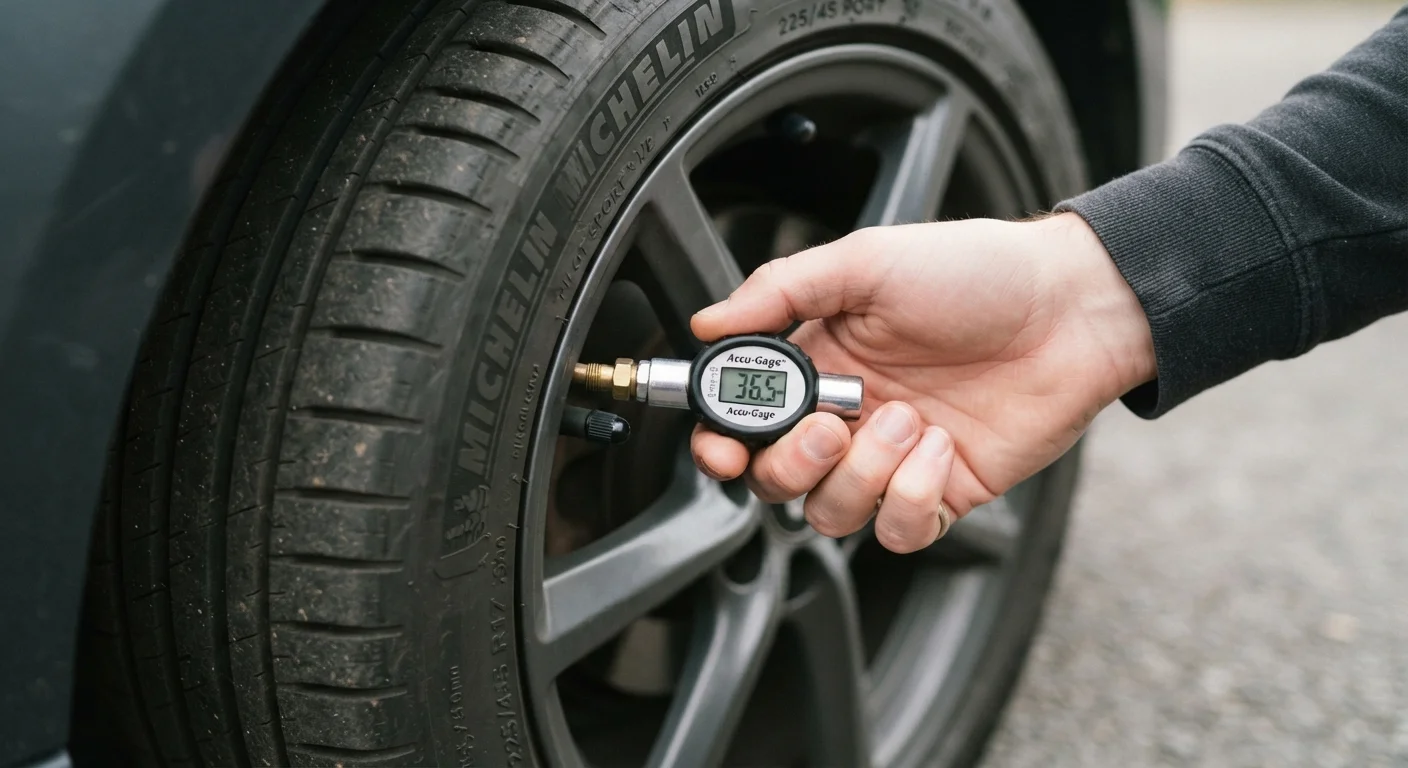
Photo: AnswersSquad.com | Explore Insightful Blogs editorial
Key Takeaways
- Correct tyre pressure reduces fuel consumption and prevents uneven tread wear.
- Tread depth below 2/32 of an inch is the legal minimum in most US states - 4/32 is safer.
- Always check pressure when tyres are cold, before driving more than a mile.
- Your vehicle's recommended pressure is on the driver's door jamb sticker, not the tyre sidewall.
- Regular checks take under five minutes and help you avoid costly tyre replacements.
Why These Two Numbers Matter
Tyres are the only part of your car that actually contacts the road. That means two simple measurements - air pressure and tread depth - quietly influence everything from how your car handles in rain to how much fuel it burns on a highway commute.
Under-inflated tyres flex more than they should, building up heat and increasing rolling resistance. That resistance makes your engine work harder, which costs you more at the pump. Overinflated tyres, on the other hand, reduce the contact patch between rubber and road, making braking distances longer and handling less predictable. Either extreme accelerates wear in ways that shorten tyre life significantly. For more on how small inefficiencies compound into real costs, see our article on fuel costs over time.
Tread depth is equally important. The grooves in your tyres channel water away from the contact patch. As tread wears down, that drainage capacity decreases - increasing the risk of hydroplaning on wet roads. Most US states set the legal minimum at 2/32 of an inch, but many safety organizations recommend replacing tyres at 4/32 of an inch to maintain reliable wet-weather performance.
The good news: checking both takes fewer than 20 minutes and requires minimal equipment. This is one maintenance habit that pays for itself many times over. It's also a core part of any pre-drive vehicle check before a long road trip.
What You'll Need
Gather the following before you start. Most items cost very little, and some you may already have.
Tyre Pressure Gauge
Measures the air pressure inside each tyre in PSI (pounds per square inch) so you can compare it to your vehicle's specification.
Portable Air Compressor or Gas Station Air Pump
Adds air to under-inflated tyres; many gas stations offer coin- or app-operated pumps.
US Quarter
Used for the coin tread-depth test - insert it into a groove and check whether the top of Washington's head is visible.
Tread Depth Gauge
A small, inexpensive tool that gives a precise tread depth reading in 32nds of an inch, more accurate than the coin method.
What you will need
How to Check and Adjust Tyre Pressure and Tread
Work through these steps methodically. Doing all four tyres at once - rather than spot-checking one - gives you an accurate picture of your vehicle's overall condition.
Find your vehicle's recommended tyre pressure
Open the driver's side door and look for a sticker on the door jamb or door edge. It lists the recommended PSI (pounds per square inch) for your front and rear tyres - these figures may differ. Write them down or photograph the sticker.
Do not use the maximum PSI number printed on the tyre's sidewall. That figure is the tyre's structural limit, not the pressure your car is designed to run at. Using it will result in overinflated tyres.
Check pressure when the tyres are cold
Air expands as it heats up. Driving even a short distance warms the tyres and raises the internal pressure by 4-6 PSI, which will give you a falsely high reading. Check pressure first thing in the morning, or at least one hour after the car has been parked.
Remove the small rubber or metal cap from the valve stem on the first tyre and set it somewhere you won't lose it. Press your gauge firmly and squarely onto the valve stem. A stick gauge will push out a bar; a digital gauge will display a number. Note the reading.
Add or release air to reach the target pressure
Compare each tyre's reading to the figure from Step 1. If it's low, connect your compressor or gas station hose to the valve stem and add air in short bursts, rechecking the pressure after each burst. If it's high, use the small pin in the center of the valve stem (a pen cap or the back of your gauge often has one) to press and release short bursts of air until you reach the target.
Replace the valve cap on each tyre when you're done. Caps keep dirt and moisture out of the valve, preventing slow leaks over time.
Test tread depth with a quarter
Hold a US quarter with Washington's head pointing down. Insert it into the tread groove at the most worn part of the tyre - typically the center or the edge. If the top of Washington's head is fully visible above the tread, your tread is at or below 4/32 of an inch, which is the point most safety organizations recommend planning for replacement.
If you have a tread depth gauge, press it into the groove and read the measurement directly. Check at least three points across the tyre's width: center, inner edge, and outer edge. Uneven readings across the width suggest a wheel alignment issue worth investigating.
Record your findings and set a reminder
Note the date, each tyre's pressure, and any tread concerns in your phone's notes app or a simple maintenance log. Tyre pressure should be checked at least once a month and any time outside temperatures change significantly - a 10°F drop in temperature typically causes a 1 PSI drop in tyre pressure.
Set a recurring monthly reminder so this check becomes automatic rather than reactive.
Build It Into a Regular Routine
What to Do With What You Find
If pressure is low, add air at a gas station or with a portable compressor until you reach the number on your door jamb sticker. If pressure is high, use the small pin inside the valve cap to release air in short bursts, rechecking after each one.
If any tyre is more than 5 PSI off from the recommended figure on a regular basis, that can indicate a slow leak - have a tyre shop inspect the valve stem and tyre bead for damage.
For tread, if any tyre fails the quarter test or reads below 4/32 on a gauge, start budgeting for replacement. Ignoring worn tread is one of the most common financial missteps new drivers make. Replacing one tyre reactively after a blowout is nearly always more expensive than planning a set replacement when tread is marginal. For strategies on managing this kind of predictable expense, keeping car costs under control offers practical budgeting guidance.
Finally, remember that tyres don't wear in isolation. If you notice significantly uneven wear across a tyre's width, that often points to alignment or suspension issues worth investigating - potentially alongside a brake inspection, since worn suspension components affect braking too.
Worn Tyres Are a Safety Issue, Not Just a Cost Issue
The content provided on our blog site traverses numerous categories, offering readers valuable and practical information. Readers can use the editorial team’s research and data to gain more insights into their topics of interest. However, they are requested not to treat the articles as conclusive. The website team cannot be held responsible for differences in data or inaccuracies found across other platforms. Please also note that the site might also miss out on various schemes and offers available that the readers may find more beneficial than the ones we cover.