
Shopping Portals vs. Direct Retailer Sites: Where the Better Price Usually Lives

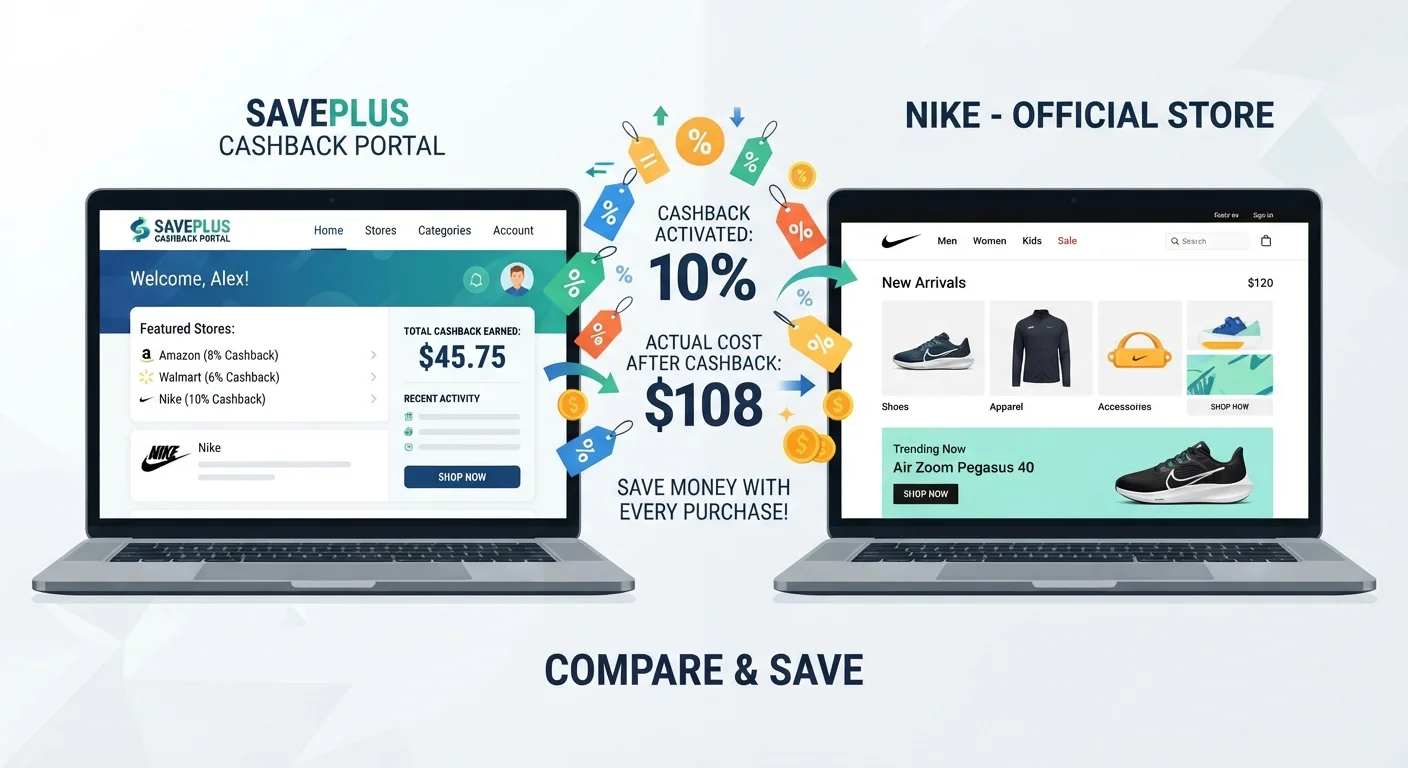
Photo: AnswersSquad.com | Explore Insightful Blogs editorial
Key Takeaways
- Shopping portals add cashback or rewards on top of checkout prices, but the base price may vary from the retailer's own site.
- Direct retailer sites sometimes offer exclusive discounts, loyalty pricing, or bundles not visible through third-party aggregators.
- Comparison aggregators surface price differences quickly but may omit fees, shipping costs, or membership requirements.
- Running a quick three-stop check — portal, aggregator, retailer — takes under two minutes and can reveal meaningful price gaps.
- Stacking a portal's cashback with a retailer's sale price is often possible, but requires checking each portal's terms.
The Three Channels and What They Actually Do
Before comparing prices, it helps to understand what each channel is designed to accomplish — because they operate on fundamentally different business logic.
Shopping portals (sometimes called cashback portals) earn a referral commission when you click through to a retailer and complete a purchase. They share a portion of that commission with you as cashback or points. The listed retail price is typically unchanged — the portal's value comes from the rebate layered on top.
Comparison aggregators pull product listings from multiple retailers and display them side by side, ranked by price or other filters. They let you scan the market quickly without visiting a dozen tabs. However, aggregators don't always surface the full cost — shipping, taxes, or subscription fees can change the final number significantly.
Direct retailer sites control their own pricing, promotions, and loyalty programs. They can offer discounts that aren't broadcast to aggregators, exclusive member pricing, or bundle deals that make a higher sticker price genuinely competitive when you factor in what's included.
None of these channels is inherently cheaper. Each has structural advantages that activate under specific conditions — which is why a two-minute multi-stop check is more reliable than a single-source habit. For a broader foundation on how these tools fit into a deal-finding workflow, see our introduction to paying less online.
When Portals Come Out Ahead
Portals earn their keep most reliably on mid-to-large purchases in categories with stable pricing: electronics, appliances, travel bookings, and software subscriptions. In these categories, the base price rarely varies enough between channels to matter much — so the cashback percentage becomes the deciding factor.
A 5–10% cashback rate on a $400 purchase is $20–$40 returned to you with no coupon code required. Over dozens of annual purchases, that compounds into a meaningful sum. The cashback vs. coupons comparison explores this compounding dynamic in more detail.
Check the Portal Rate Before You Click Through
Portals are weaker when a retailer's own site is running a limited-time sale that the portal's commission rate doesn't offset. Always check the retailer's homepage before clicking through — if the retailer's sale price minus portal cashback still beats the portal's effective price, go direct.
When Direct Retailer Sites Win
Retailers have strong incentives to move customers toward their own sites: no commissions paid out, better data on customer behaviour, and the chance to upsell or lock in repeat business. Those incentives often translate into site-exclusive perks.
Watch for these retailer-side advantages:
- Loyalty or member pricing — logged-in customers sometimes see prices that aggregators never index.
- Bundle-only deals — a product paired with accessories or an extended warranty at a combined price that looks expensive until you price the components separately.
- Free shipping thresholds — a retailer that ships free above a certain order value may be cheaper than a portal route that triggers a shipping fee.
- Price-match policies — many retailers will match a competitor's price if you ask, effectively combining the retailer's ecosystem benefits with a competitor's lower number.
These advantages don't show up in an aggregator feed. They require a direct visit to the retailer's site — which is why treating aggregators as the final word is a common overpaying mistake. See common discount myths that cost shoppers money for more on why surface-level comparisons mislead.
| Shopping Portals | Comparison Aggregators | Direct Retailer Sites | |
|---|---|---|---|
| Primary benefit | Cashback or points on purchases | Quick cross-retailer price scan | Exclusive deals and loyalty pricing |
| Base price changed? | No — rebate layered on top | Reflects retailer's listed price | May differ from indexed price |
| Shipping costs shown? | Varies by retailer | Often excluded or estimated | Usually accurate at checkout |
| Best product categories | Electronics, travel, software | Commodities, books, apparel | Bundles, loyalty categories |
| Effort required | Low — browser extension helps | Very low — one search | Low — one extra tab |
| Risk of missing a better deal | If retailer runs exclusive sale | If loyalty pricing not indexed | If portal cashback is high |
A Practical Two-Minute Routing Process
Rather than developing a loyalty to one channel, think of a fast routing habit that takes less time than reading a product review:
- Start with an aggregator to establish the price floor across retailers and spot any obvious outliers. Note the two or three cheapest options including their full shipping costs.
- Check the portal cashback rate for whichever retailer appeared most competitive. Calculate the effective price after cashback. Many portal browser extensions display this without leaving the retailer's page.
- Visit the retailer's homepage directly to check for any site-exclusive promotions, member pricing, or bundle options that didn't surface in the aggregator results.
If the portal's effective price beats both the aggregator result and the direct site, click through the portal. If the retailer's direct price wins even without cashback, go direct. The goal is always the lowest total cost — including shipping, fees, and the time-value of waiting for cashback to process.
For purchases where you want to go further, stacking coupons with cashback and portal rewards can compound your savings — though it requires reading each portal's stacking rules carefully. And if you want sharper tools for evaluating whether any of these prices are actually good, unit pricing and cost-per-use metrics give you a more precise lens than sticker price alone.
The content provided on our blog site traverses numerous categories, offering readers valuable and practical information. Readers can use the editorial team’s research and data to gain more insights into their topics of interest. However, they are requested not to treat the articles as conclusive. The website team cannot be held responsible for differences in data or inaccuracies found across other platforms. Please also note that the site might also miss out on various schemes and offers available that the readers may find more beneficial than the ones we cover.