
Why 'Free Shipping' Isn't Always the Cheaper Option

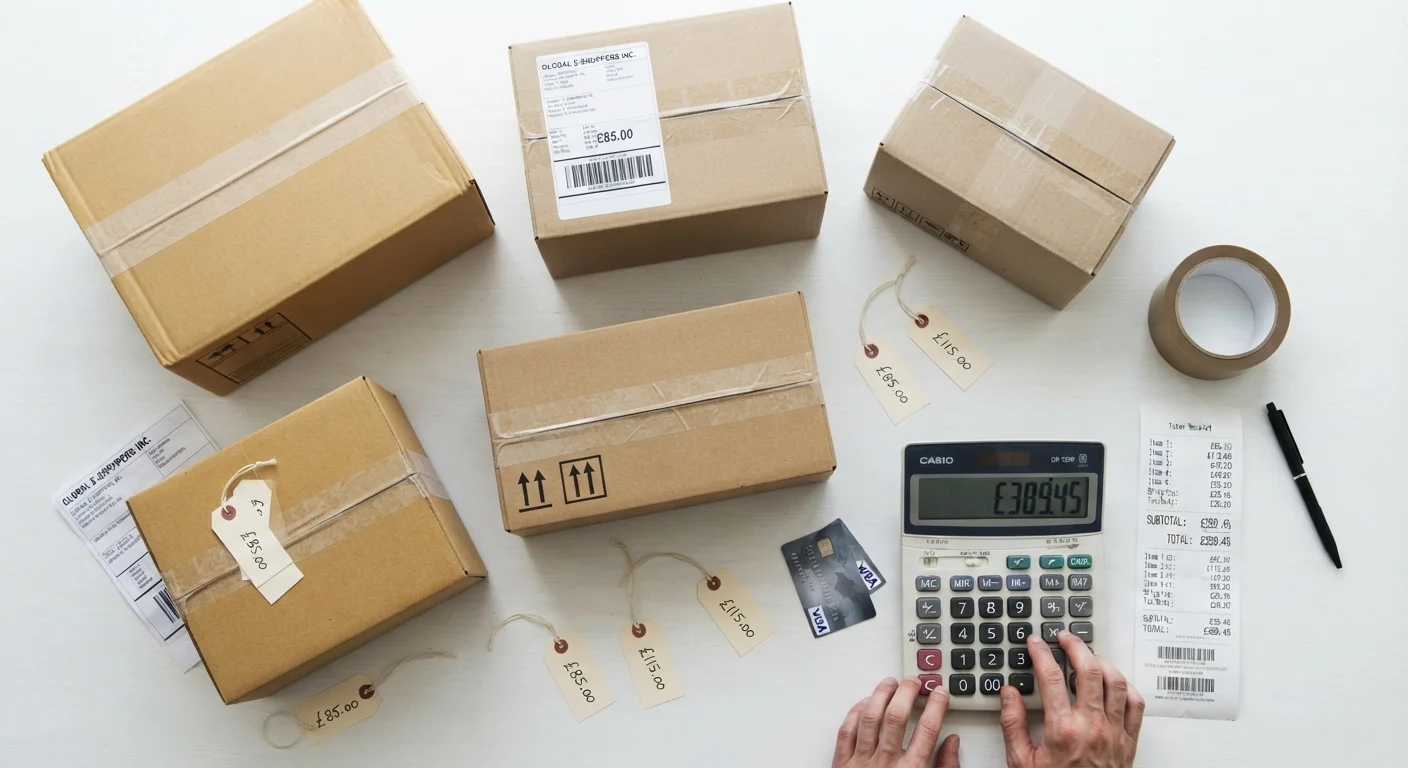
Photo: AnswersSquad.com | Explore Insightful Blogs editorial
Key Takeaways
- Free shipping offers frequently offset costs through higher product prices or minimum spend requirements.
- Slower delivery windows are a common trade-off for free shipping that shoppers often underestimate.
- Comparing total checkout costs — not just shipping fees — is the only reliable way to evaluate a deal.
- Membership-based free shipping programs carry their own annual costs that need to factor into your math.
- International orders advertised as free shipping may still incur customs duties or import fees on arrival.
The Myth That 'Free' Means No Cost
Free shipping is one of the most effective levers in e-commerce marketing — and for good reason. Research consistently shows that shoppers abandon carts when they see unexpected shipping charges at checkout. Retailers know this, which is why the free shipping label is everywhere. The problem is that many shoppers treat it as a straightforward saving, when it's almost always a trade-off in disguise.
Retailers rarely absorb shipping costs out of goodwill. Those costs have to land somewhere: in the base price of the item, in the minimum order threshold you have to hit, or in a paid membership you're required to hold. Understanding where the cost goes is the foundation of smarter online shopping. As the anatomy of an online deal makes clear, the framing of an offer rarely tells the full story.
Myth
Free shipping means I'm paying less overall than if I paid a shipping fee.
Fact
Free shipping usually transfers the cost into the item price, a minimum spend requirement, or a membership fee — you're paying, just less visibly.
Retailers price their products to maintain margins. When shipping is 'free,' the logistics cost is typically baked into the item price or offset by requiring you to spend more than you otherwise would. Comparing the total checkout cost — item price plus any fees — across multiple sellers is the only reliable way to assess which option is actually cheaper.
Myth
Hitting the free shipping minimum is always worth it, even if I add extra items.
Fact
Adding items to reach a free shipping threshold only saves money if those items cost less than the shipping fee you're avoiding.
This is one of the most common cart-padding traps in e-commerce. If the shipping fee is $5.99 and you add a $14 item to avoid it, you've spent $8.01 more than necessary. The only scenario where padding your cart makes sense is if you genuinely need the additional items and their cost is lower than the shipping charge.
Myth
A paid membership with free shipping always pays for itself.
Fact
Whether a shipping membership saves you money depends entirely on your actual order frequency and average order value.
Subscription shipping programs are only cost-effective if you order frequently enough at high enough values that the per-order savings exceed the membership cost. Shoppers who overestimate how often they'll use a membership — a very common pattern — often pay more than they would have with standard shipping fees. Calculate your realistic annual order volume before committing.
Myth
International orders with free shipping arrive without any extra charges.
Fact
Free shipping on international orders covers the carrier cost only — customs duties, import taxes, and brokerage fees are separate and often the buyer's responsibility.
Import charges are determined by customs authorities, not by the retailer. Even when a seller offers free international shipping, the receiving country may assess duties based on the declared value of the goods. These fees can range from minimal to substantial depending on the item category and its value. Always verify the duty and tax rules for your country before ordering internationally.
Myth
Free shipping and paid shipping take roughly the same amount of time.
Fact
Free shipping options are almost always slower, typically routed through economy or standard ground services with longer handling windows.
Expedited and priority shipping cost more because they use faster carrier services and get prioritized in fulfillment queues. Free shipping is typically the slowest available option — sometimes five to eight business days or more. If you need an item by a specific date, factor delivery time into your cost comparison, not just the dollar amounts on the checkout screen.
What the Numbers Actually Show
Evaluating shipping as part of the total checkout cost changes the picture significantly. A product listed at $45 with free shipping may cost more than the same item at $38 with a $4.99 shipping fee. That gap is easy to miss when one option has a green checkmark and the other has a fee line at checkout.
58%
Shoppers who add items to reach free shipping threshold
According to the National Retail Federation, more than half of online shoppers have added unplanned items to their cart specifically to qualify for free shipping.
5–8 days
Typical free shipping delivery window
Standard free shipping via major U.S. carriers commonly takes five to eight business days, compared to one to two days for paid expedited options.
Minimum spend thresholds add another layer. If free shipping kicks in at $50 and your cart is at $35, you face a choice: pay for shipping, or add items to your cart you weren't planning to buy. Neither option is automatically cheaper. Adding a $20 item to avoid a $6 shipping charge nets a $14 loss — even though it feels like avoiding a fee. This is the same psychological pattern behind other discount myths, explored in depth in common discount myths that cost shoppers more.
For cross-border purchases, the math gets more complicated. A retailer based overseas may offer free international shipping, but that doesn't mean the item arrives without additional charges. Customs duties, import taxes, and brokerage fees are separate from the shipping cost and are often the buyer's responsibility. Shopping across borders covers how to account for these before you commit.
Watch for 'Free Shipping' on International Orders
How to Evaluate a Shipping Offer Properly
The cleanest approach is to compare total landed cost: the item price plus all fees, taxes, and shipping, from every option you're considering. This takes a few extra minutes but removes the distortion that 'free' branding creates.
For subscription-based free shipping programs, divide the annual membership cost by how often you realistically order. If the membership costs $139 per year and you place 10 orders annually, you're paying $13.90 per order for the privilege — before you've bought anything. That may still make sense depending on what you're ordering, but it's worth calculating rather than assuming it's a win. Loyalty programs and member pricing involve similar trade-offs worth understanding.
Also consider delivery speed. Free shipping typically means slower fulfillment — standard ground shipping of five to eight business days is common. If you need an item quickly, the expedited option may actually cost less in practical terms when you factor in delayed use or a workaround purchase. Upfront cost versus total cost is a frame that applies here too: the cheapest delivery method is only the cheapest if timing doesn't matter. For ongoing purchases, building a consistent evaluation habit — rather than reacting to each offer in isolation — puts you in a much stronger position across the deal-finding strategies you rely on.
The content provided on our blog site traverses numerous categories, offering readers valuable and practical information. Readers can use the editorial team’s research and data to gain more insights into their topics of interest. However, they are requested not to treat the articles as conclusive. The website team cannot be held responsible for differences in data or inaccuracies found across other platforms. Please also note that the site might also miss out on various schemes and offers available that the readers may find more beneficial than the ones we cover.