
Eastern Europe vs. Western Europe: Where a Tight Travel Budget Goes Further

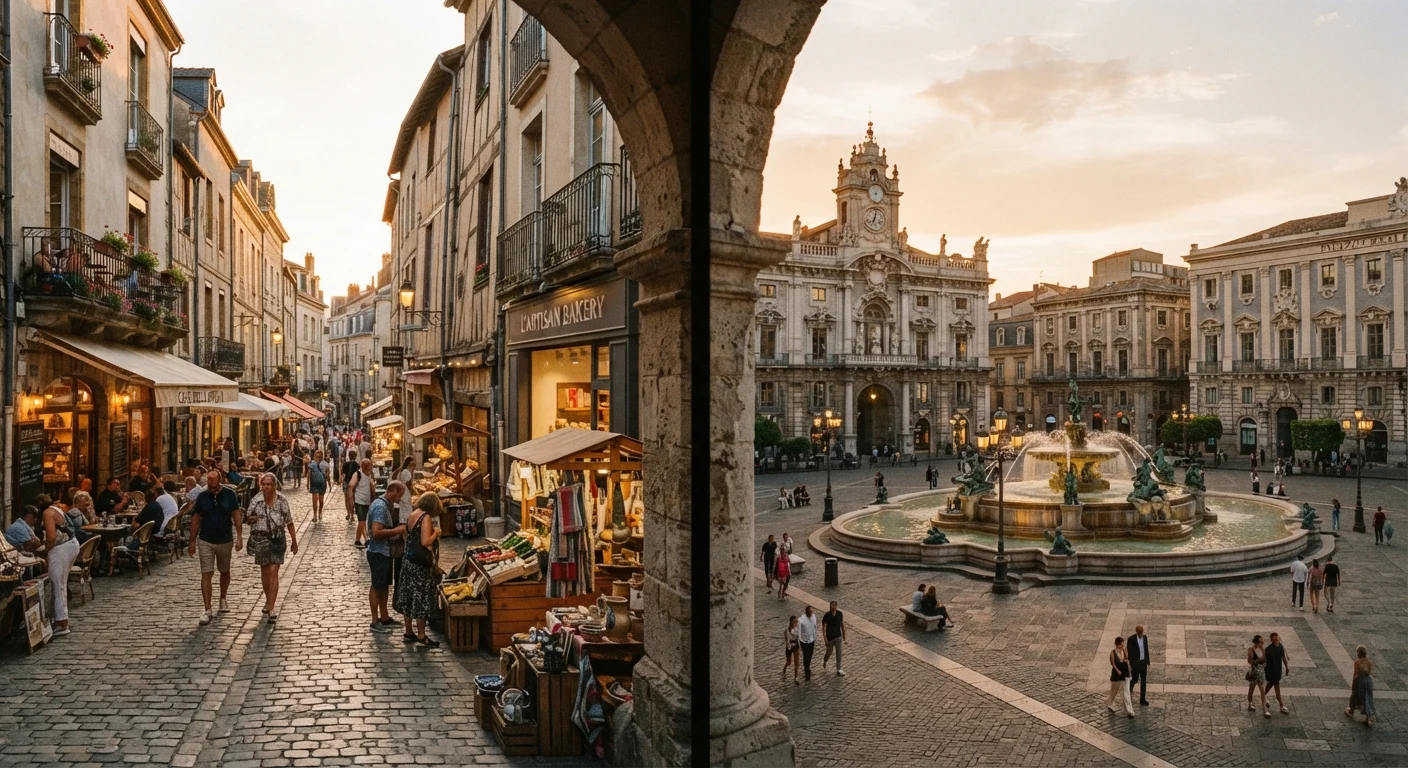
Photo: AnswersSquad.com | Explore Insightful Blogs editorial
Key Takeaways
- Daily travel costs in Eastern Europe typically run 40–60% lower than comparable Western European destinations.
- Western Europe offers denser rail networks and broader English-language accessibility, reducing logistical friction.
- Eastern Europe's lower tourism density means fewer crowds and more authentic local interactions at popular sites.
- Currency differences — many Eastern countries use non-euro currencies — can meaningfully affect your purchasing power.
- Both regions reward slow travel; spending more days in fewer places cuts costs across the board.
- Your ideal choice depends on your flexibility, comfort with uncertainty, and what kind of experience you're chasing.
The Cost Gap Is Real — Here's What the Numbers Look Like
The single biggest practical difference between Eastern and Western Europe is daily expenditure. In cities like Warsaw, Bucharest, or Belgrade, a dorm bed in a well-rated hostel typically costs $12–$20 per night. A sit-down restaurant meal in a local neighbourhood spot — not a tourist strip — runs $6–$12. Public transit day passes in most Eastern capitals are under $3. Add it up, and a comfortable daily budget of $50–$65 is realistic.
In Western Europe, the same comfort tier looks different. A hostel dorm in Amsterdam, Lisbon, or Barcelona routinely starts at $30–$45 per night. A casual restaurant lunch is rarely under $15. Transit day passes in major cities often land between $8 and $15. That shifts the realistic daily floor to $90–$130 for most travellers — sometimes higher in Scandinavia or Switzerland.
For a reference breakdown of daily spending ranges across both regions, cross-check those figures against your own itinerary before you commit. Costs vary sharply by city, season, and travel style.
~50%
Lower daily costs in Eastern vs. Western Europe
Budget travel resources and backpacker cost trackers consistently show Eastern European daily budgets running roughly half those of comparable Western European destinations.
13M+
Annual visitors to Paris alone
Pre-pandemic figures from the Paris Tourist Office indicated over 13 million international overnight visitors per year, illustrating the density pressure on Western European hubs.
Top 3
Cheapest EU capitals for travellers
Bucharest, Warsaw, and Budapest have consistently ranked among the most affordable capital cities in Europe in cost-of-living and travel expenditure indices.
What You Give Up — and What You Gain — in Each Region
Eastern Europe's lower price point comes with trade-offs. English is less universally spoken outside major cities and tourist zones. Train networks are patchier — some routes require buses or shared minivans (marshrutkas), which can be slow and require more planning. ATM availability thins out in rural areas. These aren't dealbreakers, but they demand more flexibility and a higher tolerance for figuring things out on the go.
Western Europe's premium largely buys logistics and familiarity. High-speed rail connects major hubs efficiently. Signage, menus, and customer service in English are near-universal. Tourist infrastructure — booking platforms, luggage storage, skip-the-line ticketing — is mature. If your trip is short or your itinerary is packed, that frictionless experience has genuine value.
Culturally, both regions are rich, but in different ways. Western Europe delivers the landmarks most people have seen in textbooks. Eastern Europe delivers surprising depth: medieval old towns that aren't overrun, living folk traditions, post-Soviet architecture that tells a complicated history, and food cultures that are largely unknown outside the region. If that appeals to you, a mapped Balkan route is one of the most cost-effective ways to explore it.
| Criterion | Eastern Europe | Western Europe |
|---|---|---|
| Average hostel dorm/night | $12–$22 | $28–$50 |
| Casual restaurant meal | $6–$12 | $14–$25 |
| City transit day pass | $1–$4 | $7–$16 |
| English accessibility | Major cities; patchy rurally | Near-universal |
| Rail network coverage | Moderate; gaps in rural areas | Dense; high-speed options |
| Crowd levels at popular sites | Low to moderate | High to very high in peak season |
| Currency | Mixed (many non-euro) | Mostly euro |
| Planning complexity | Higher; more flexibility needed | Lower; mature tourist infrastructure |
Currency, Crowds, and the Hidden Costs of Popularity
One underappreciated factor: currency. Much of Eastern Europe sits outside the eurozone. Poland uses the złoty, Hungary the forint, Serbia the dinar, and Romania the leu. That separation means your dollar or euro often buys more than the headline prices suggest, because local economies are calibrated to local wages — not tourist spending. Exceptions exist: Slovenia and the Baltic states use the euro, and prices there reflect it.
Crowds drive up costs in ways that don't show up in base price comparisons. When a neighbourhood becomes a major tourist destination, restaurants near landmarks charge tourist premiums, accommodation prices spike during peak months, and the experience itself becomes less authentic. Western Europe's most visited cities — Paris, Rome, Prague, Barcelona — see this effect intensely in summer. Eastern European capitals aren't immune (Kraków and Dubrovnik have their own overtourism conversations), but the baseline is lower and the pressure less intense across most of the region.
Food is one area where the gap is especially visible. Local markets, bakeries, and neighbourhood restaurants in Eastern Europe allow genuinely good eating on very little — a dynamic explored in more detail in our guide to eating well abroad without tourist-trap prices. In Western Europe, the same strategy works, but the floor price is higher even at the neighbourhood level.
One more variable worth factoring in: trip structure. Whether you choose East or West, slowing down and staying put consistently cuts costs — fewer transport legs, better negotiated accommodation rates, and less time wasted in transit.
The content provided on our blog site traverses numerous categories, offering readers valuable and practical information. Readers can use the editorial team’s research and data to gain more insights into their topics of interest. However, they are requested not to treat the articles as conclusive. The website team cannot be held responsible for differences in data or inaccuracies found across other platforms. Please also note that the site might also miss out on various schemes and offers available that the readers may find more beneficial than the ones we cover.