
Morocco as a First Budget Destination: What to Expect and What to Watch

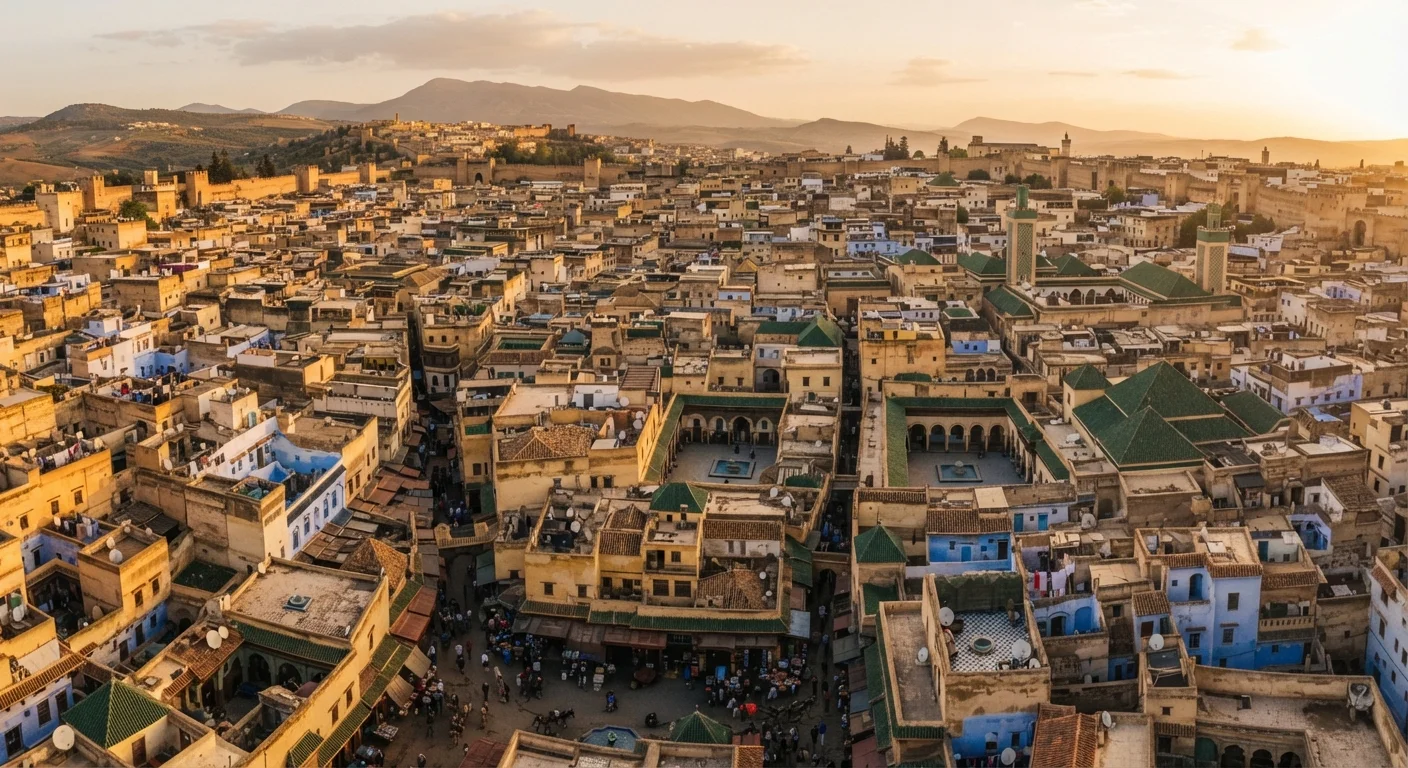
Photo: AnswersSquad.com | Explore Insightful Blogs editorial
Key Takeaways
- Morocco is among the most affordable international destinations accessible from the US and Europe, with daily costs manageable on a tight budget.
- Accommodation, food, and local transport are significantly cheaper than Western Europe, but tourist-facing pricing exists and varies widely.
- Bargaining is a normal part of commerce in souks, but has clear etiquette — understanding it prevents overpaying and awkward encounters.
- Intercity train and bus networks are reliable and inexpensive; grand taxis are practical for shorter routes.
- Common pitfalls — unsolicited guides, scams near landmarks, exchange rate confusion — are avoidable with basic preparation.
- Always verify entry requirements, travel advisories, and health recommendations with official government sources before booking.
Why Morocco Works for First-Time Budget Travellers
Morocco sits at a rare intersection: geographically close to Europe, culturally distinct from anything most American travellers have experienced, and genuinely affordable without requiring the logistical complexity of Southeast Asia. Flights from the US East Coast connecting through European hubs are commonly found in the $500–$900 range, though prices shift with timing and routing — see our guide to building a realistic travel budget to estimate your full cost picture before committing.
The country's tourism infrastructure is mature enough that getting around independently is straightforward, yet it hasn't been flattened into a generic tourist circuit. Cities like Fès, Chefchaouen, and Essaouira each have a distinct character. For a first international trip, that combination of accessibility and novelty is hard to beat. If you're also weighing options in Asia, our Southeast Asia budget travel resource makes a useful comparison point.
Medina
The historic old city within a Moroccan urban center, typically enclosed by ancient walls and composed of narrow pedestrian alleyways, markets, and traditional architecture.
Riad
A traditional Moroccan house or guesthouse built around an interior courtyard, commonly converted into tourist accommodation in medina districts.
Souk
An open-air marketplace or bazaar within a medina where vendors sell goods ranging from spices and food to textiles, ceramics, and leather.
Dirham (MAD)
The official currency of Morocco. It is a controlled currency, meaning it cannot be freely exchanged outside the country and must be obtained inside Morocco.
Grand Taxi
A shared long-distance taxi — typically a large sedan — that travels fixed routes between towns and departs once it has a full complement of passengers.
Petit Taxi
A small, metered urban taxi used for short trips within a single city, usually color-coded by municipality.
What Your Money Actually Buys
In Morocco's medina guesthouses — called riads — a clean, well-located bed in a shared dorm typically runs 80–150 MAD per night (roughly $8–$15 USD). Private rooms in mid-range riads run higher but remain considerably cheaper than comparable European accommodation. Street food is where the value is most obvious: a bowl of harira soup, a msemen flatbread, or a handful of olives from a souk stall costs a few dirhams. A sit-down meal at a local restaurant catering to Moroccan residents — not tourists — is rarely more than 50–80 MAD.
Where costs creep up is at tourist-facing restaurants around major landmarks, upscale riad bookings, and organised desert or mountain excursions. These aren't overpriced relative to Western standards, but they can quietly double a daily budget if you default to convenience. The practical discipline is the same as any destination: eat where locals eat, sleep slightly away from the main square, and plan excursions independently where possible. Before you leave home, work through our anatomy of a budget trip framework to categorise and cap each expense type.
Navigating the Medina and Bargaining Culture
Morocco's historic medinas are pedestrian-only labyrinths — intentionally complex, and genuinely easy to get turned around in. Navigation apps with offline maps (download before arrival) work reasonably well, but alleyways don't always match digital maps precisely. Getting slightly lost is part of the experience; getting aggressively lost near dusk with a heavy bag is not. Arrive in new cities while it's still daylight.
Bargaining in souks is expected for crafts, leather goods, textiles, and souvenirs — but it has rules. A reasonable opening counter-offer is typically 40–60% of the first price quoted. Don't start bargaining on an item you have no intention of buying; walking away after agreeing on a price is considered disrespectful. Sellers aren't being dishonest by quoting high — it's a negotiation ritual both sides are meant to participate in. Approach it as a conversation, not a confrontation.
A Simple Bargaining Anchor
Fixed-price shops do exist and are increasingly common; they're clearly marked and useful when you're tired or unsure of fair value. Pharmacies, supermarkets, and most restaurants have set prices — no negotiation needed or appropriate.
Getting Around: Transport Options and Real Costs
Morocco's intercity rail network — operated by ONCF — connects major cities including Casablanca, Rabat, Fès, Tangier, and Marrakech. Trains are reliable, comfortable, and affordable by Western standards; a second-class ticket from Casablanca to Marrakech is roughly 100–130 MAD. For routes not covered by rail, CTM and Supratours buses are the dependable options with fixed prices and online booking.
Within cities, petit taxis (small, metered cabs for short urban trips) are inexpensive but meters aren't always used — agree on a fare before getting in, or insist on the meter. Grand taxis are shared long-distance vehicles that depart when full; they're faster than buses on some routes and very cheap if you're willing to wait. Ride-hailing apps operate in larger cities and offer price certainty without negotiation. For managing currency across all of this, our travel money guide for first-timers covers how to handle dirhams and minimise fees effectively.
What to Watch Out For
Morocco's most common traveller frustrations are predictable and avoidable. Near major landmarks — Jemaa el-Fna in Marrakech, the tanneries in Fès — unofficial guides will offer to lead you somewhere and then expect payment. A polite, firm refusal from the start is more effective than vague engagement. Similarly, someone who strikes up a friendly conversation and then steers you toward a particular shop is likely on commission; it doesn't mean the shop is bad, but know what you're walking into.
Currency confusion is another real issue. The Moroccan Dirham is a soft currency, meaning it's controlled and not easily bought or sold outside Morocco. Exchange at banks or official bureaux de change; street exchanges are illegal and risky. Keep small bills handy — larger denominations are often difficult to break in markets.
Watch Your Cash at Currency Exchanges
Finally: dress codes matter, particularly in religious sites and rural areas. Shoulders and knees covered is a practical baseline for both men and women outside beach resorts. Respecting local norms isn't just etiquette — it makes your experience noticeably smoother. If you're still in the early stages of international trip planning, our end-to-end first international trip walkthrough covers the full pre-departure checklist.
This article provides general travel information only. Entry requirements, safety conditions, health recommendations, and costs can change. Always verify current visa rules, travel advisories, and vaccination requirements with your government's official travel authority and the Moroccan embassy before booking.
Frequently Asked Questions
The content provided on our blog site traverses numerous categories, offering readers valuable and practical information. Readers can use the editorial team’s research and data to gain more insights into their topics of interest. However, they are requested not to treat the articles as conclusive. The website team cannot be held responsible for differences in data or inaccuracies found across other platforms. Please also note that the site might also miss out on various schemes and offers available that the readers may find more beneficial than the ones we cover.