
Cash vs Card Abroad: Weighing the Real Trade-Offs for Each Destination

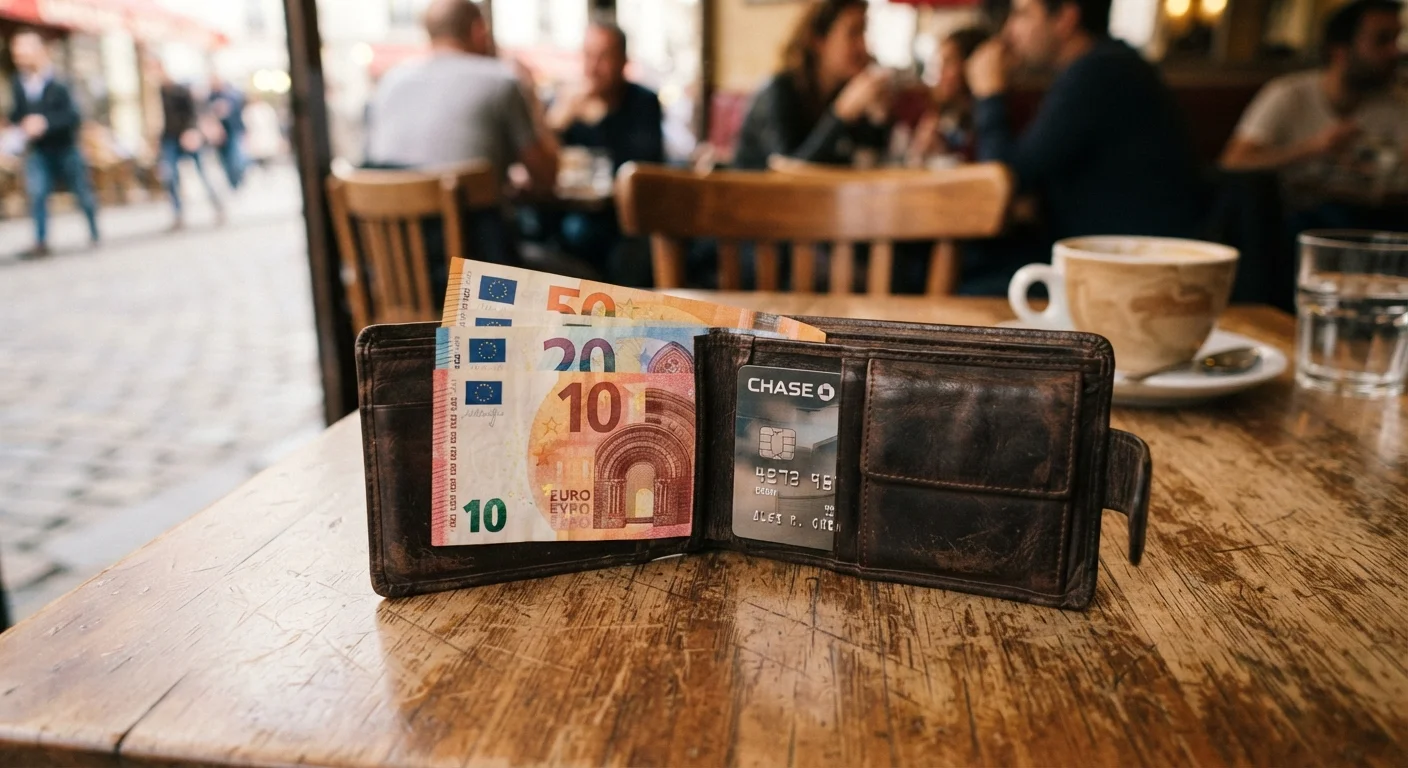
Photo: AnswersSquad.com | Explore Insightful Blogs editorial
Key Takeaways
- Neither cash nor card is universally better — the right mix depends on your destination's infrastructure and your spending patterns.
- Foreign transaction fees and dynamic currency conversion can quietly erode card value; always pay in the local currency.
- Cash protects your budget in markets and small vendors but creates security risk if lost or stolen.
- Many destinations function on a hybrid model — combining both methods reduces your exposure to either's weaknesses.
- Notify your bank before travel and understand your card's ATM withdrawal limits and associated fees.
- Verify entry requirements, currency rules, and local payment norms through official sources before departing.
Why This Decision Matters More Than Most Travelers Realize
The cash vs. card question isn't just about convenience — it's a direct factor in how much you spend. Fees stack up quietly: a 3% foreign transaction charge on every card swipe, a $5 ATM fee per withdrawal, or a poor dynamic currency conversion rate can add up to real money across a week abroad. At the same time, carrying too much cash creates theft and loss risk that no one wants to manage mid-trip.
The honest answer is that no single method works everywhere. Destination-specific payment norms, your own spending habits, and the length of your trip all shape the optimal split. For a grounded introduction to understanding exchange rates and fees before you decide, see Travel Money for First-Timers.
| Criterion | Cash | Card |
|---|---|---|
| Acceptance in rural/local areas | Near-universal | Often limited or unavailable |
| Acceptance in urban/tourist areas | Common but not guaranteed | Widely accepted |
| Theft/loss recovery | Rarely recoverable | Can be frozen and replaced |
| Transaction fees | ATM and exchange fees apply | Foreign transaction fees (0–3%) |
| Budget awareness | High — physical spend visible | Lower — easier to overspend |
| Emergency usability | Works without networks or power | Requires working terminal/network |
| Currency conversion control | Rate fixed at time of exchange | Rate set at transaction time; DCC risk |
Where Cash Holds a Genuine Edge
In cash-dominant economies — including large parts of Southeast Asia, Latin America, and sub-Saharan Africa — carrying local currency isn't optional, it's practical necessity. Street food vendors, tuk-tuks, guesthouses, and local markets operate exclusively in cash. Attempting to pay by card in these contexts wastes time and can embarrass or frustrate vendors.
Cash also enforces budget discipline in a way cards don't. Handing over physical notes creates a concrete awareness of what you're spending, which matters when you're trying to stay on a daily budget. Savvy travelers consistently report that tracking cash manually keeps them from drifting over budget.
One practical concern: obtain local currency from a reputable in-country ATM or exchange bureau rather than converting at your home bank before departure. Home bank exchange rates are often significantly worse than what you'll access abroad. Always verify current local options on arrival.
1–3%
Typical foreign transaction fee per card swipe
Most standard U.S. debit and credit cards charge a foreign transaction fee in this range on every international purchase.
$2–$5
Average out-of-network ATM fee abroad
In addition to your own bank's fee, many international ATMs charge their own access fee, which varies by country and machine operator.
2–7%
Dynamic currency conversion markup
Accepting DCC — paying in your home currency at a foreign terminal — commonly costs an additional 2–7% compared to paying in local currency.
Where Cards Have the Advantage — and Where They Don't
In urban Western Europe, Australia, Japan's major cities, and much of North America's tourist infrastructure, contactless card payment is seamless and often preferred. Cards remove the friction of carrying and exchanging currency, keep a transaction record for budgeting, and offer fraud protections that cash cannot match.
The critical caveat: not all cards are equal abroad. Standard debit cards frequently charge foreign transaction fees (typically 1–3%) on every purchase, plus ATM access fees that vary by institution. These costs compound quickly on longer trips. For a clear side-by-side on how different card types handle these charges, see No-Fee Travel Cards vs Traditional Debit Cards.
One universally important rule: when a merchant's card terminal offers to charge you in your home currency — a practice called dynamic currency conversion (DCC) — always decline and pay in the local currency. The merchant's conversion rate is almost always worse than your card's rate.
Always Notify Your Bank Before You Travel
Building Your Destination-Specific Payment Strategy
The most reliable approach for most international trips is a deliberate hybrid: a low-fee card as the primary payment method for hotels, restaurants, and larger purchases, supplemented by a modest cash reserve for markets, transit, tips, and any vendor that doesn't accept cards.
Research your destination's payment infrastructure before departure. Government tourism boards and traveler communities often document local norms — whether vendors prefer cash, whether ATMs are reliable outside cities, and whether certain cards are widely accepted. Destinations vary enormously: Japan remains heavily cash-reliant despite being a high-income country, while Sweden is nearly cashless. Your payment strategy should reflect where you're actually going, not a generic assumption.
If your trip spans multiple countries, this decision compounds. Moving through several countries quickly means repeatedly sourcing local currency and navigating different card acceptance norms — a logistical cost that slow travel avoids. For a full roadmap covering planning through return, see Travel Money from Departure to Return.
This article provides general travel finance information for educational purposes only. It is not personalised financial advice. Always verify current fees, currency regulations, and local payment conditions with your financial institution and official sources before traveling.
The content provided on our blog site traverses numerous categories, offering readers valuable and practical information. Readers can use the editorial team’s research and data to gain more insights into their topics of interest. However, they are requested not to treat the articles as conclusive. The website team cannot be held responsible for differences in data or inaccuracies found across other platforms. Please also note that the site might also miss out on various schemes and offers available that the readers may find more beneficial than the ones we cover.