
Travel Money: What It Actually Costs to Be Unprepared Abroad

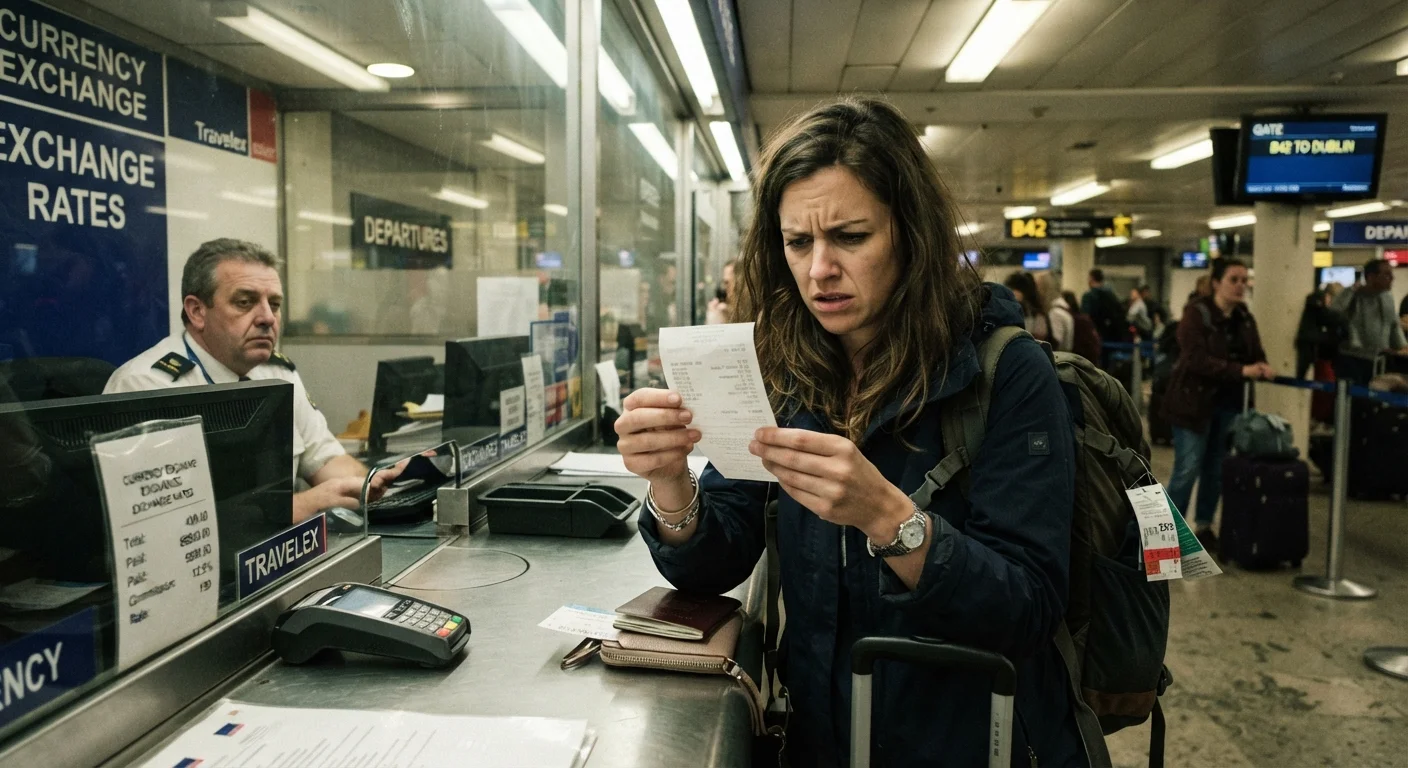
Photo: AnswersSquad.com | Explore Insightful Blogs editorial
Key Takeaways
- ATM fees, foreign transaction charges, and poor exchange rates each add separate layers of cost that compound quickly.
- Dynamic currency conversion almost always offers a worse rate — declining it at the point of sale saves money.
- A blocked or frozen card abroad creates urgent, expensive problems that advance planning can prevent.
- Carrying only one payment method is one of the most common and costly mistakes travellers make.
- Notifying your bank and understanding your card's fee structure before departure are among the highest-return travel prep steps.
The Real Price of Winging It
Most travel budgets account for flights, accommodation, and food. Very few account for the financial friction that runs silently in the background: fees charged every time you touch your money abroad. The frustrating part is that these costs aren't hidden in fine print — they're just easy to ignore until you're already on the trip.
Financial unpreparedness abroad isn't a single large expense. It's a series of small, recurring ones that compound over days and weeks. A $4 ATM fee on six withdrawals. A 3% foreign transaction charge on every restaurant meal. A dynamic currency conversion markup you accepted because the screen was confusing. None of these feels catastrophic in the moment, but added together over a two-week trip, they can represent a meaningful portion of your daily budget.
For a fuller picture of where travel money goes before you even arrive, see why budget travellers keep getting tripped up by hidden costs.
1%–3%
Typical foreign transaction fee per card purchase
Most standard U.S. bank cards apply this percentage to every international transaction; fee-free cards exist but require advance research.
3%–7%
Typical dynamic currency conversion markup
DCC markups are applied by the merchant or ATM operator and are separate from any fees your own bank charges.
$5–$10+
Potential cost per international ATM withdrawal
This estimate combines typical bank foreign withdrawal fees and local ATM operator surcharges; actual amounts vary by institution and country.
The Fee Stack: How Costs Layer on Each Other
International ATM transactions are a useful case study because they illustrate how charges stack. When you withdraw cash abroad, you may face: a flat fee from your own bank for international withdrawals, a percentage-based currency conversion fee from your bank, and a surcharge from the foreign ATM operator — all on a single transaction. Each is a separate line item, and they don't offset each other.
Card purchases follow a similar logic. Foreign transaction fees (commonly 1%–3%) apply per purchase, not per trip. If you're spending $100 a day on a card that charges 3%, that's $3 daily — roughly $42 on a two-week trip, just from that one fee type. Add dynamic currency conversion on top, and the effective cost of spending abroad climbs further.
Dynamic currency conversion deserves special attention because it's presented as a service. When a card terminal or ATM offers to process the transaction in your home currency, it's using its own exchange rate — almost always less favorable than what your bank would apply. Declining and paying in local currency is the standard guidance, but it requires knowing what DCC is before you're standing at a register in a foreign country.
The Emergency Cost Nobody Plans For
Beyond routine fees, unpreparedness creates acute financial problems when something goes wrong. The most common: a card blocked by your bank's fraud detection system after it registers unfamiliar international transactions. Without a backup payment method or accessible emergency funds, travelers in this situation face limited and expensive options — international wire transfers, emergency cash from family members, or in worst cases, consular assistance.
The fix is straightforward but requires action before departure. Notifying your bank of your travel dates and destinations is a basic step that dramatically reduces freeze risk. Carrying a second card from a different network — kept separately from your primary card — provides a functional fallback. Understanding how to access emergency funds remotely, whether through a trusted contact or a separate account, is the kind of planning that costs nothing upfront and potentially saves hundreds in a crisis.
For a complete pre-departure financial checklist, Before You Fly covers the specific steps worth taking before any international trip.
Carry Two Cards on Separate Networks
Turning Awareness Into Action
The good news is that most of the costs described here are preventable with a few hours of preparation. Understanding your card's fee structure — specifically, whether it charges foreign transaction fees and what it applies for international ATM withdrawals — is the single most useful piece of information you can have before traveling. That information is available from your bank directly or in your cardholder agreement.
Building a realistic travel budget that accounts for these frictions is the logical next step. If you haven't done that yet, building a realistic travel budget from scratch walks through how to estimate costs accurately and include a buffer for the unexpected.
For readers newer to international travel, Travel Money for First-Timers explains exchange rates, payment methods, and fees in plain terms — a useful foundation before any of the more specific prep steps.
Financial preparedness for travel isn't about finding loopholes or optimizing obsessively. It's about making sure the money you've already budgeted actually goes toward experiences — not fees.
This article is for general informational purposes only and does not constitute financial advice. Fee structures, exchange rates, and bank policies vary by provider and change over time. Consult your bank or a licensed financial professional for guidance specific to your situation.
Frequently Asked Questions
The content provided on our blog site traverses numerous categories, offering readers valuable and practical information. Readers can use the editorial team’s research and data to gain more insights into their topics of interest. However, they are requested not to treat the articles as conclusive. The website team cannot be held responsible for differences in data or inaccuracies found across other platforms. Please also note that the site might also miss out on various schemes and offers available that the readers may find more beneficial than the ones we cover.