
The Underrated Corners of Latin America That Tourists Keep Skipping

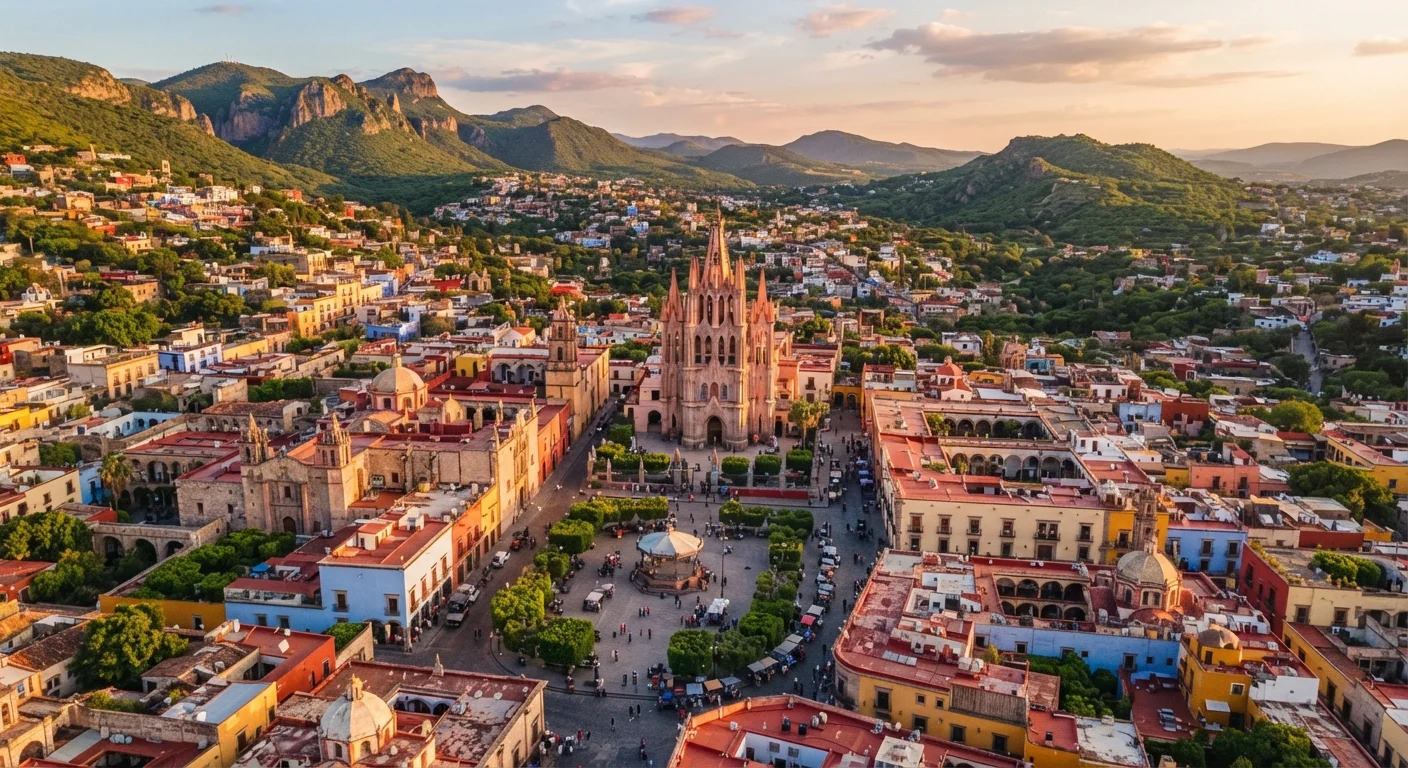
Photo: AnswersSquad.com | Explore Insightful Blogs editorial
Key Takeaways
- Several Latin American destinations offer compelling culture and nature at significantly lower daily costs than popular capitals.
- Skipping the tourist circuit doesn't mean sacrificing comfort — it often means better food, fewer crowds, and more authentic interactions.
- Day-to-day costs vary widely within countries, so choosing a lesser-known city or region can stretch a budget considerably.
- Visa requirements, safety conditions, and seasonal weather should always be verified through official government sources before booking.
- Understanding local purchasing power helps you gauge true affordability before you go.
The Case for Going Off the Beaten Path
Most first-time visitors to Latin America funnel through the same handful of cities — Buenos Aires, Cartagena, Cusco, Mexico City. These are genuinely great destinations, but they're also increasingly priced to match their popularity. Accommodation in well-trodden tourist zones now rivals mid-range European cities, and the "local experience" often comes with a markup.
The good news: Latin America is enormous, and the infrastructure for independent travel has improved dramatically across the region. Destinations that were considered off-limits or inconvenient a decade ago are now accessible, affordable, and — critically — not yet flooded with visitors driving up costs. As our guide to evaluating true destination costs explains, affordability isn't just about exchange rates — it's about how far your dollar goes relative to local wages and tourism pricing structures.
The destinations below are underrepresented in most travel content, yet they consistently deliver on culture, scenery, and day-to-day value. None of them are secret — but none of them are overrun either.
Go Slow to Spend Less
Underrated Destinations Worth Adding to Your Itinerary
Sucre, Bolivia
Bolivia's constitutional capital is one of the most visually striking cities on the continent — a compact, walkable center of whitewashed colonial architecture ringed by red-clay hills. It's significantly calmer and more affordable than La Paz, and the altitude (around 9,200 feet) is far more manageable for acclimatization.
Day-to-day costs in Sucre are low even by South American standards. A filling lunch at a market or local restaurant can cost under two dollars. Hostels and guesthouses remain affordable, and the city's Spanish-language schools attract long-stay visitors who tend to spend more time eating where locals eat rather than where tourists are steered.
The city also has a surprisingly rich museum scene — including a hands-on dinosaur footprint site at Cal Orcko — and serves as a useful base for day trips into the surrounding Jalq'a and Tarabuco indigenous communities, where traditional weaving markets operate on specific days of the week.
Sucre offers a manageable altitude, real colonial architecture, and some of the lowest meal costs in South America.
Granada, Nicaragua
Often overshadowed by concerns about regional stability, Nicaragua receives a fraction of the tourists that neighboring Costa Rica does — which keeps prices noticeably lower across accommodation, food, and local transport. Granada, on the shores of Lake Nicaragua, is the country's colonial centerpiece and one of the oldest continuously inhabited cities in the Americas.
Horse-drawn carriages still operate as a legitimate transport option. The market near the central park sells produce and street food at prices aimed at locals, not tourists. Day trips to Isla de Ometepe — a pair of volcanoes rising from the lake — are inexpensive and logistically straightforward by local ferry.
It's important to check current travel advisories from your government before planning a trip to Nicaragua, as the political and safety situation warrants careful review. That context noted, travelers who do visit and feel comfortable with current conditions consistently report that their money goes further here than almost anywhere else in Central America.
Granada's colonial center and lake access remain remarkably affordable, though travelers should verify current advisories carefully.
Salento, Colombia
Medellín and Cartagena absorb the majority of Colombia's international visitors, but the coffee region — particularly the small town of Salento in Quindío department — offers a different and often more relaxed experience. The landscape here is defined by the wax palm-filled Cocora Valley, colorful bahareque architecture, and the slow rhythm of a town built around coffee farming rather than tourism infrastructure.
Salento itself is compact enough to walk entirely in an afternoon. Jeep-taxis (the traditional local transport up the valley) operate on shared fares that make day excursions affordable. Accommodation options range from family-run hostels to posadas with mountain views, most priced well below what comparable experiences cost in Colombia's major cities.
The coffee region as a whole — including Filandia and Jardín — rewards slow travel. Spending four or five days here rather than rushing through costs less and delivers more depth than a quick stop between bigger cities.
Salento rewards slow travelers with valley hikes, coffee farm visits, and accommodation costs well below Colombia's major cities.
Oaxaca City, Mexico
Oaxaca has developed a reputation as a food destination — and that reputation is earned — but it remains considerably more affordable than Mexico City or Los Cabos for day-to-day expenses. The city's mercados (markets) are among the most active and varied in the country, with tlayudas, memelas, and regional mole available at stalls that charge a fraction of what restaurant menus list nearby.
Beyond food, Oaxaca's surrounding villages are accessible by cheap local colectivo (shared van) and offer a density of craft traditions — black clay pottery, hand-loomed textiles, artisanal mezcal production — that few regions in Mexico can match. Monte Albán, the pre-Columbian hilltop archaeological site overlooking the valley, charges a modest entry fee and sees far fewer crowds than comparably significant sites in other parts of the country.
The city does get busy during Día de los Muertos and Guelaguetza festival periods, when accommodation prices rise and availability tightens — factors worth building into trip timing decisions.
Oaxaca's market food culture and artisan village network are accessible by cheap local transit and rarely feel overcrowded.
Asunción, Paraguay
Paraguay is among the least-visited countries in South America, and its capital, Asunción, is frequently used only as a transit point — which means most visitors miss a city that has genuine character and very low costs. The historic center, while weathered, contains government palaces, plazas, and a waterfront that has been undergoing gradual renewal.
Day-to-day expenses in Asunción tend to be among the lowest of any South American capital. Restaurant meals, local beer, and accommodation are all noticeably cheaper than in Buenos Aires, Lima, or Bogotá. The city is compact enough that taxis and mototaxis cover most ground without significant expense.
Paraguay also serves as a practical launch point for the Chaco region and the Jesuit missions circuit — both of which see minimal international tourism and offer genuinely off-the-beaten-path experiences for travelers prepared to navigate limited English-language infrastructure. Spanish language ability is more useful here than in more tourist-developed parts of the continent.
Asunción is among South America's most affordable capitals and a natural gateway to Paraguay's Jesuit mission circuit.
Valparaíso, Chile
Santiago draws the majority of Chile's visitors, but Valparaíso — a port city about 75 miles to the northwest — offers a radically different atmosphere at lower daily costs. The city climbs across more than 40 cerros (hills) connected by historic funicular elevators called ascensores, and its labyrinthine staircases and painted walls have made it one of Latin America's most visually inventive urban environments.
Accommodation in Valparaíso's hillside neighborhoods tends to run cheaper than equivalent options in Santiago, and the city's bohemian food scene includes affordable empanada shops, fish markets near the port, and neighborhood restaurants that cater to a mix of students, artists, and working-class residents rather than international tourists exclusively.
Bus service between Valparaíso and Santiago runs frequently and cheaply, making it feasible to use Valparaíso as a base and take the occasional day trip rather than paying Santiago accommodation rates. Chile overall sits at a higher cost level than many Latin American countries, so managing accommodation and food choices carefully matters more here than elsewhere on this list.
Valparaíso's hillside neighborhoods and port markets cost less than Santiago while offering more visual character per block.
Costs Vary Widely Within Countries
Before finalizing any itinerary, check entry requirements, travel advisories, and health recommendations through your government's official travel portal. Conditions change, and no article can substitute for up-to-date official guidance. Also keep an eye on hidden costs like airport transfers and local transit fees that can quietly erode a lean budget.
Making the Most of Your Time in These Destinations
Visiting lesser-known places rewards a slightly different approach than following a standard tourist circuit. Markets, local buses, and neighborhood restaurants are your best tools — both for keeping costs down and for getting past the surface of a place. Our practical guide to eating well abroad without tourist pricing applies directly here: the further you get from the main square, the better the value tends to be.
It's also worth challenging the assumptions that keep some travelers away from affordable destinations entirely. Our piece on common myths about cheap destinations addresses safety concerns, comfort expectations, and the idea that budget travel means a worse experience — none of which hold up consistently in these corners of Latin America. If you're also weighing other affordable regions globally, the Balkan road trip approach offers an instructive parallel for how to plan a low-cost regional route with a similar mindset.
This article provides general travel information for educational purposes. Prices, conditions, visa rules, and safety situations can change — always verify current details through official government sources and reputable travel advisories before booking or traveling.
The content provided on our blog site traverses numerous categories, offering readers valuable and practical information. Readers can use the editorial team’s research and data to gain more insights into their topics of interest. However, they are requested not to treat the articles as conclusive. The website team cannot be held responsible for differences in data or inaccuracies found across other platforms. Please also note that the site might also miss out on various schemes and offers available that the readers may find more beneficial than the ones we cover.